Recent Episodes
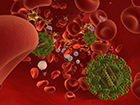
The Berlin Patient
We only know of one person who was cured of HIV. He's called the Berlin Patient but Timothy Ray Brown is an American living in Germany.
Though we have clues about his cure, a recent study gets us closer to an answer. Brown had HIV for eleven years when he got acute myeloid leukemia or AML. It's a cancer of the blood that was unrelated to his HIV. To treat it, he underwent a bone marrow transplant and stopped his HIV drugs. Yet, seven years later, there's no sign of the virus.
So, how did his AML treatment cure him? There are three possible factors. First he got chemotherapy and radiation to eliminate his immune system in preparation for a new one. This is called conditioning.
Second, his donor had a rare blood stem cell mutation that made the person resistant to HIV. The virus could not infect the person's cells.
Third, Brown's newly donated immune system could have eliminated the remnants of his old one that harbored HIV. This is called graft versus host reaction.
To determine which was responsible, researchers stored blood stem cells from three Rhesus monkeys. They were then infected with a monkey version of HIV, and put on medication.
After several months, their immune systems were eliminated by radiation and their own stem cells were then reinfused. At this point, their HIV drugs along with the drugs of three control monkeys were stopped.
Within a short time, the virus came roaring back, which eliminates the first possibility. Conditioning by itself, which is the destruction of the person's own immune system, cannot eliminate HIV. This points to the other factors in Brown's case which hopefully steers scientists closer to a cure.