Medical Discovery NewsBridging the World of Medical Discovery and You

Recent Episodes

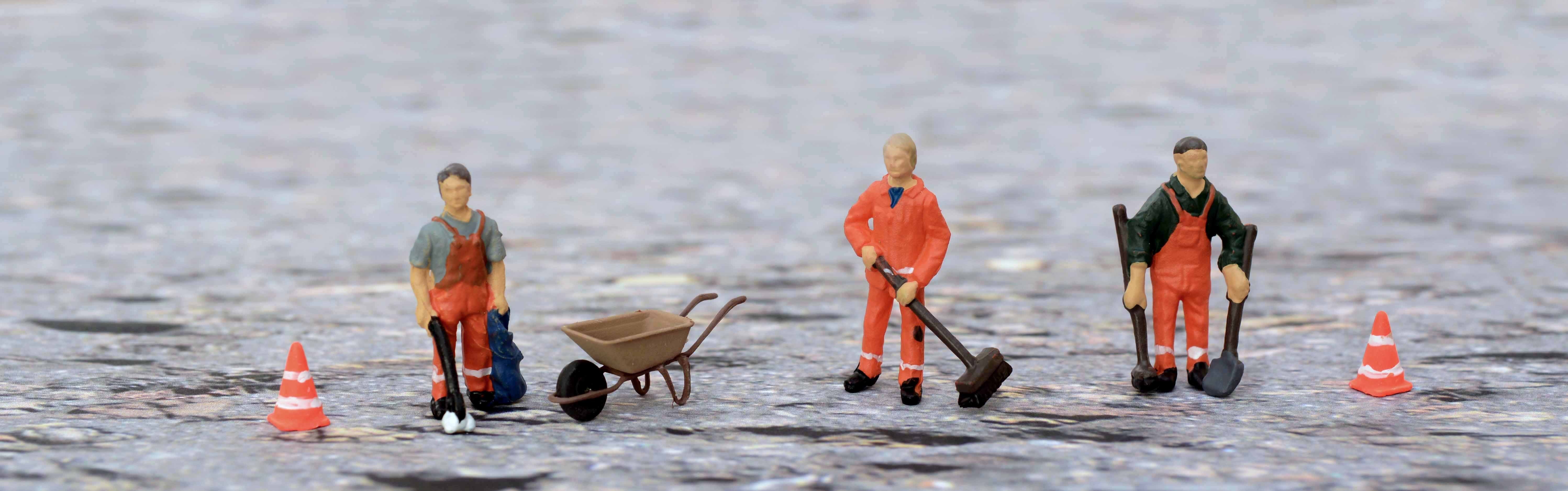
miniature figurines of men cleaning surface

The Brain Cleanup Crew

MP3 WAV

  • As older Americans become a larger part of our population, we’ll see more people with Alzheimer’s dementia. In the next 30 years, the cases will double unless we find a cure. Studies tell us AD is linked to the dysfunction of a brain protein called tau that gathers inside neurons. Another protein called beta-amyloid damages neurons by covering them, like plaque on your teeth.  

    Scientists are now studying whether the cause of AD is that these proteins are piling up in the brain and cerebral spinal fluid because too few are being removed.  Normally, specialized waste removal cells called tanycytes clear the brain of toxins. They’re unique because they lie between the bloodstream and the cerebral spinal fluid.    

    One of the proteins they move out is tau. Tau normally helps support a neuron’s internal structure, but in AD they become sticky and clumpy, killing the cell.  To study the movement of tau, some were tagged with dye and injected into mice. Mice with impaired tanycytes accumulated tau in the brain while fewer tau was seen in the bloodstream.  

    This suggests tanycytes are vital in removing tau from the brain, and if they don’t work properly, too much of the tau protein accumulates in the brain. Too much tau triggers the body to make too much beta-amyloid, the other protein implicated in dementia. Studies show that people with AD do move less tau from the cerebral spinal fluid to the blood. Could therapies that target tanycytes hold the key to curing Alzheimer’s? We sure hope so.  

More Information

These brain cells clear proteins that contribute to Alzheimer’s
When specialized cells called tanycytes stop working, disease-causing tau proteins build up in the brain.

Little-Known Cells May Be Key to Clearing Alzheimer’s Proteins
For years, the buildup of tau protein has been identified as a primary driver of Alzheimer’s disease. Now, a study has uncovered the brain’s “waste management” secret: specialized cells called tanycytes. These rare, non-neuronal cells act as a shuttle, capturing toxic tau from the cerebrospinal fluid (CSF) and dumping it into the bloodstream for disposal. The research reveals that in Alzheimer’s patients, these tanycytes become fragmented and lose their ability to clear the “trash,” leading to the rapid accumulation of tau. This discovery shifts the focus from neurons to these structural shuttle cells as a potential new frontier for slowing neurodegeneration.

Tanycytic degeneration impairs tau clearance and contributes to Alzheimer’s disease pathology
In our aging societies, Alzheimer’s disease (AD) and other age-related cognitive disorders such as frontotemporal dementia (FTD) have become a major public health concern. Alzheimer’s disease (AD) is characterized by pathological tau protein accumulation in the brain and cerebrospinal fluid (CSF) instead of timely efflux into the blood. However, the underlying mechanisms are unclear. We show, using animal and cellular models and patient tissues, that tanycytes of the hypothalamic median eminence, which bridge the blood and CSF, are involved in tau transport and AD pathogenesis. 
Two individuals wearing headphones stand in a recording booth, speaking into microphones with a music stand holding printed pages between them.

 Medicine...

Medicine is constantly advancing – that is a great thing about life in the 21st century. But it doesn’t just happen. Dedicated biomedical scientists are making discoveries that translate into those new medical advances.

Biomedical science is broad, encompassing everything from social science to microbiology, biochemistry, epidemiology, to structural biology and bioinformatics to name just a few areas. And, it can involve basic fundamental biology, the use of AI and chemistry to clinical studies that evaluate new medicines in patients.

No matter the research focus, the goal is always the same, to advance human health. It may take a few months, a few years or for fundamental science, a few decades. Few people make the connection that biomedical science is medicine and that biomedical scientists are working today on the medicine of tomorrow. Our weekly 500-word newspaper columns and 2-minute radio shows and podcasts provide insights into a broad range of biomedical science topics.

Medical Discovery News is dedicated to explaining discoveries in biomedical research and their promise for the future of medicine.

Podcasts

Alternatively, you can copy and paste the following web address (URL) into iTunes as a new subscription:
https://www.medicaldiscoverynews.com/shows/audio/mdnews.rss

You can also search and subscribe to "Medical Discovery News" in the podcast section of iTunes.

The www.medicaldiscoverynews.com web site and Medical Discovery News radio program (Program) are made possible by The University of Texas Medical Branch at Galveston (UTMB)as a community service and are intended to advance UTMB's mission of providing scholarly teaching, innovative scientific investigation, and state-of-the-art patient care in a learning environment to better the health of society and its commitment to the discovery of new innovative biomedical and health services knowledge leading to increasingly effective and accessible health care for the citizens of Texas.

All information provided on the web site and in the Program is for informational purposes only and is not intended for use as diagnosis or treatment of a health problem or as a substitute for consulting a licensed medical professional. Any information obtained by participating as a web site visitor or program listener is not intended to and should not be considered to constitute medical advice.

Thoughts and opinions expressed on the Program or on the website are those of the authors or guests and do not necessarily reflect the opinions of UTMB. The provision of links to other websites is not to be construed as written or implied sponsorship or endorsement of such websites by UTMB.

Please contact Dr. David Niesel or Dr. Norbert Herzog via email with any concerns, suggestions or comments.

All rights are reserved to information provided on the website or other information sources. No part of these programs can be reproduced stored in a retrieval system or transcribed in any form or by any means for personal or financial gained without the express written permission of Drs. Niesel and Dr. Herzog.