Recent Episodes
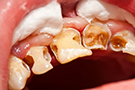
The Rise of Cavities
If we didn't brush, the bacteria in our mouths would flourish and destroy our teeth and gums. But it wasn't always like this. That's because in the hunter and gatherer days, humans had different bacteria in their mouths.
Two recent studies reveal the development of agriculture about eight thousand years ago allowed the present bacteria to emerge. But why? Farming radically changed how people lived, shifting away from Stone Age societies and providing a large, reliable food supply. This incorporated much more grains or starch into the human diet.
Enzymes in the mouth split the starch into shorter chains of sugars, leaving a residue of sugar in a film on and between teeth. This created an ideal environment for bacterial growth which researchers found on ancient teeth tarter.
They compared the teeth of Northern Europe's last hunter gatherers with early farmers from Germany. The farmers had a sharp increase of bacteria, such as Streptococcus mutans, that cause cavities and periodontal disease. Now we know these bacteria also contribute to diabetes and cardiovascular diseases.
Surprisingly, the diversity of these bacterial populations stabilized for thousands of years until the mid-nineteenth century. From then until now, Strep. mutans became even more dominant due to the industrial revolution. That's when refined grains and concentrated sugars entered our diet creating an even more suitable environment for oral decay.
What researchers did not consider is the impact of teeth brushing and fluoride. Even more interesting would be knowing how our fast food diet fits in the picture today.