Recent Episodes
The Rise of Zika
Even if you're not an alarmist, it's hard to ignore the threat of new microbial menaces. Recall SARS, which set off a global pandemic. How about the West Nile virus, which began with a single case in New York and spread across the U.S. More recently, the MERS virus emerged with outbreaks in the Arabian Peninsula, and the devastating Ebola outbreak in West Africa caused panic in the U.S. as some here died from it.
Now we deal with Zika. It's another virus that's known as an emerging disease, which means that though it used to be exotic, it no longer is.
Some infected people can carry the virus for long periods of time symptom-free and pass it on to others.
Zika was first isolated in 1947 in Uganda and saw its largest outbreak last year in Brazil. Since then, Zika has spread across two dozen countries and territories in the Americas. Infections are mostly seen in people who've visited an area where the virus is spreading.
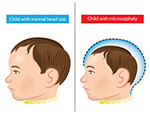
But US health officials are concerned because the virus is carried by mosquitos found here. This means Zika could potentially threaten thousands of unborn fetuses since there's strong evidence infected pregnant women can deliver babies with microcephaly. These babies have small, underdeveloped brains and often don't survive past adolescence. But children and adults who are infected can also suffer neurological disorders.
Women who're pregnant or considering it should avoid Zika infected areas. Men who've traveled to such an area should refrain from unprotected sex for at least two months since the virus can be passed sexually.
There are no approved therapies or vaccines for Zika just yet, so hang on, we're in for a bumpy ride this summer and beyond.