Recent Episodes
The Synthetic Revolution in Biology
"Synthetic biology" — sounds like an oxymoron — right?
But the combination is revolutionizing science's effort to create new biological systems for human use.
Biology is pretty unpredictable stuff, so synthetic biology is bringing engineering to biology and changing certain cells and processes to create more predictable and useful results.
An example of the promise of synthetic biology was just approved by the World Health Organization.
A drug giant plans to produce a malarial drug with genetically engineered yeast. Normally, this drug is made from the sweet wormwood plant which yields the active ingredient, artemisinin. But it takes eighteen months from planting to production; weather can interfere; and it's expensive to manufacture.
This means many, mostly the young and poor in Africa, don't get treated. But synthetic biology will change that.
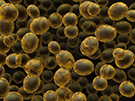
The genetically modified yeast, Saccharomyces cerevisiae, has several genes inserted into its genome that alter its metabolic pathways so that it produces artemisinin.
Researchers turned them into "one-cell factories", providing a reliable source of the precursor chemical for the antimalarial drug. Production is now one-sixth the time bringing each dose down to just twenty five cents.
But critics of synthetic biology fear a "Frankensteinian" future of dangerous biological creations. The US is already working on forming guidelines for this new field.
On the upside, anticipate advances in medicine, biofuels, improved chemical production, and many others, all to better our lives now and in the future.
More Information