Recent Episodes
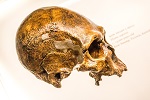
Thinking Like a Neanderthal
As scientists have become adept at extracting DNA from fossils over the past decade, they're now sequencing the genomes of human's ancient cousins, the Neanderthals. As much as we're similar, we're finding major genetic differences. For example, Neanderthal genes found in half of South Asians make them more susceptible to COVID-nineteen but may protect them from other diseases.
New research now suggest one Neanderthal gene distinguishes its brain function from the modern human and may explain why humans replaced them on Earth. The gene is called NOVA-one and recent advances allow scientists to see its impact on mini-human brains they're growing in the lab to the size of an apple seed. When researchers replaced the human version with the Neanderthal NOVA-One gene in stem cells, they saw that the mini-brains had a rough outer surface compared to the human one which was smooth.
The Neanderthal mini-brains matured more quickly, were smaller, and had electrical activities that weren't as synchronized. They theorized the Neanderthals needed rapidly developed brain networks that favor visual and spatial abilities for survival. In contrast, humans required more complex social abilities for group dynamics which necessitates slower brain growth. This work examined just one gene.
We're counting on future genetic studies to help us not only better understand modern humans, but shed light on the diseases that plague us.
More Information
'Minibrains' With A Neanderthal Gene Offer Hints About Human Evolution
Fossils offer a detailed record of early human skulls but not the brains inside them.So researchers have been using genetic material taken from those fossils to search for clues about how the human brain has evolved over hundreds of thousands of years...
Neanderthal-inspired 'minibrains' hint at what makes modern humans special
A single genetic tweak changes or-ganoids' shape and cellular connections...
Mini brains genetically altered with CRISPR to be Neanderthal-like
Miniature brains grown in the lab are helping to reveal how modern humans survived when other hominins died out...