Recent Episodes
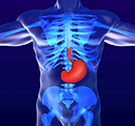
Thinking With Your Stomach
I think everyone can relate to this: how many times have you gone to a buffet, stuffed yourself and promised not to do it again, only to do it again! And you wonder why can't I control myself? Because your second brain is working against you!
I'm talking about the enteric nervous system or ENS, a complex nervous system that spans your gastrointestinal tract. Like the brain, the neurons in these organs produce neurotransmitters that impact your mood. So when you eat rich fatty foods, the gut detects those molecules, stimulating the ENS to send pleasure signals to your brain. Another reason why we break our diets!
You're fighting against the five-hundred-million neurons that make up the ENS, which isn't much compared the brain's ninety-billion neurons, but it's the only nervous system outside the brain that is capable of extensive local, independent function. We know from studies the neurons in the ENS produce as much dopamine as the brain. Dopamine is key to our feelings of pleasure and reward.
Most of the body's serotonin is made here. Serotonin promotes happy feelings, and helps regulate sleep, appetite, temperature, and repairs damaged cells.
You may be wondering about stress since that always makes me eat. Well, there are clear connections between the ENS and stress. Stress in the brain triggers the production of a gastrointestinal hormone called ghrelin. This hormone kick-starts hunger which lowers our feelings of anxiety and depression. The downside is studies show stressed-out mice tend to seek out fatty foods which is directly related to elevated production of ghrelin. We see a clear connection between chronic stress and obesity.
I've got to stop thinking with my stomach so much!
More Information
Gut Instincts: The Secrets of your Second Brain
Overview of the role of the enteric nervous system as your "second brain". Well written and informative.
Enteric Nervous System
The enteric nervous system (ENS) is the intrinsic nervous system of the gastrointestinal tract. It contains complete reflex circuits that detect the physiological condition of the gastrointestinal tract, integrate information about the state of the gastrointestinal tract, and provide outputs to control gut movement, fluid exchange between the gut and its lumen.
Ghrelin Likely Involved in Why We Choose 'Comfort Foods' When Stressed
We are one step closer to deciphering why some stressed people indulge in chocolate, mashed potatoes, ice cream and other high-calorie, high-fat comfort foods.