Recent Episodes
US Attitude Toward Science
In the past year, many of our core beliefs about science and health have been publicly challenged. We’ve been told to disregard pollution and that vaccines are unneeded. Dave and I worry this is creating doubts about the value of American research programs. But a recent non-partisan survey by Research America shows people do care.
The annual survey questioned more than 1,000 people and accounted for differences in demographics and political beliefs to get an accurate read of our national attitude. Just over half did not think their children would be better off than them, a drop of 10 percent from last year. Top reasons were inflation, social media influence, and the economy. Also in the top 15 concerns were a perception of worsening health and declining US leadership in science and technology. Only 54 percent believe we lead the world in science and technology.
They’re worried about cancelled budgets for health programs, and that the US isn’t ready for another pandemic in their lifetime. Almost 70 percent want the government to invest more in these areas and in basic science, since these discoveries can lead to huge advances.
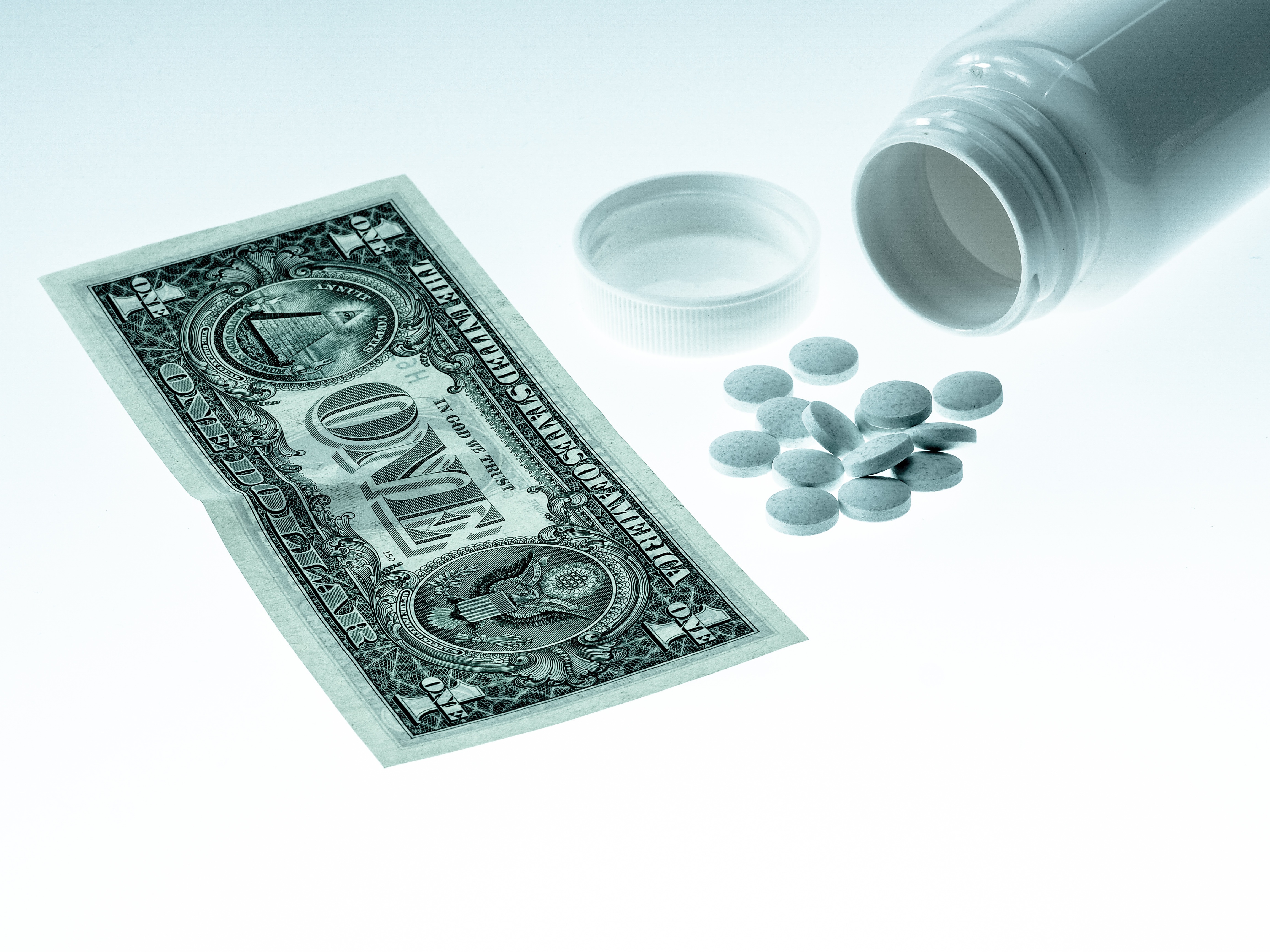
More than half believe science and technology research create jobs. More than 80 percent believe childhood vaccines save lives and prevent disease outbreaks. And more than two thirds are willing to pay a dollar more a week in taxes if it were spent on medical research. But we worry whether our elected officials will listen.
More Information
Research America: January National Survey
This online survey was conducted by Zogby Analytics on behalf of
Research!America in early January 2026, among 1,007 adults plus
additional adults for minority oversampling. The survey has a theoretical
sampling error of +/- 3.1 percentage points. The sample is weighted to
best represent the demographics of the population being surveyed.
Weighted variables may include age, race, gender, and party.
Research America: January National Survey
Survey data presented by survey question.