Recent Episodes
What Goes Around Comes Around
Two infectious diseases are making the rounds again this summer with outbreaks of Legionnaires pneumonia and cyclosporiasis. The Legionnaires outbreak is centered in the Upper East Side of New York City. There have been increasing cases with deaths reported. It’s a bacterial disease that can cause serious pneumonia.
The cyclosporiasis outbreak is much larger with clusters across numerous states involving thousands people. This is an intestinal parasite that can cause severe stomach cramping, vomiting and diarrhea.
Legionnaires disease is caused by a bacterium called Legionella pneumophila and is commonly found in household plumbing and in building cooling systems. Cooling towers are implicated in the New York city outbreak that began this summer.
The other outbreak involving cyclosporiasis usually appears in late spring and summer and is caused by fecal contaminated fresh herbs, vegetables and fruit. Most of the cases have been reported in Illinois, New York, Michigan, and Texas. Public health officials estimate that the outbreak is much larger since many people don’t see the doctor for diarrhea.
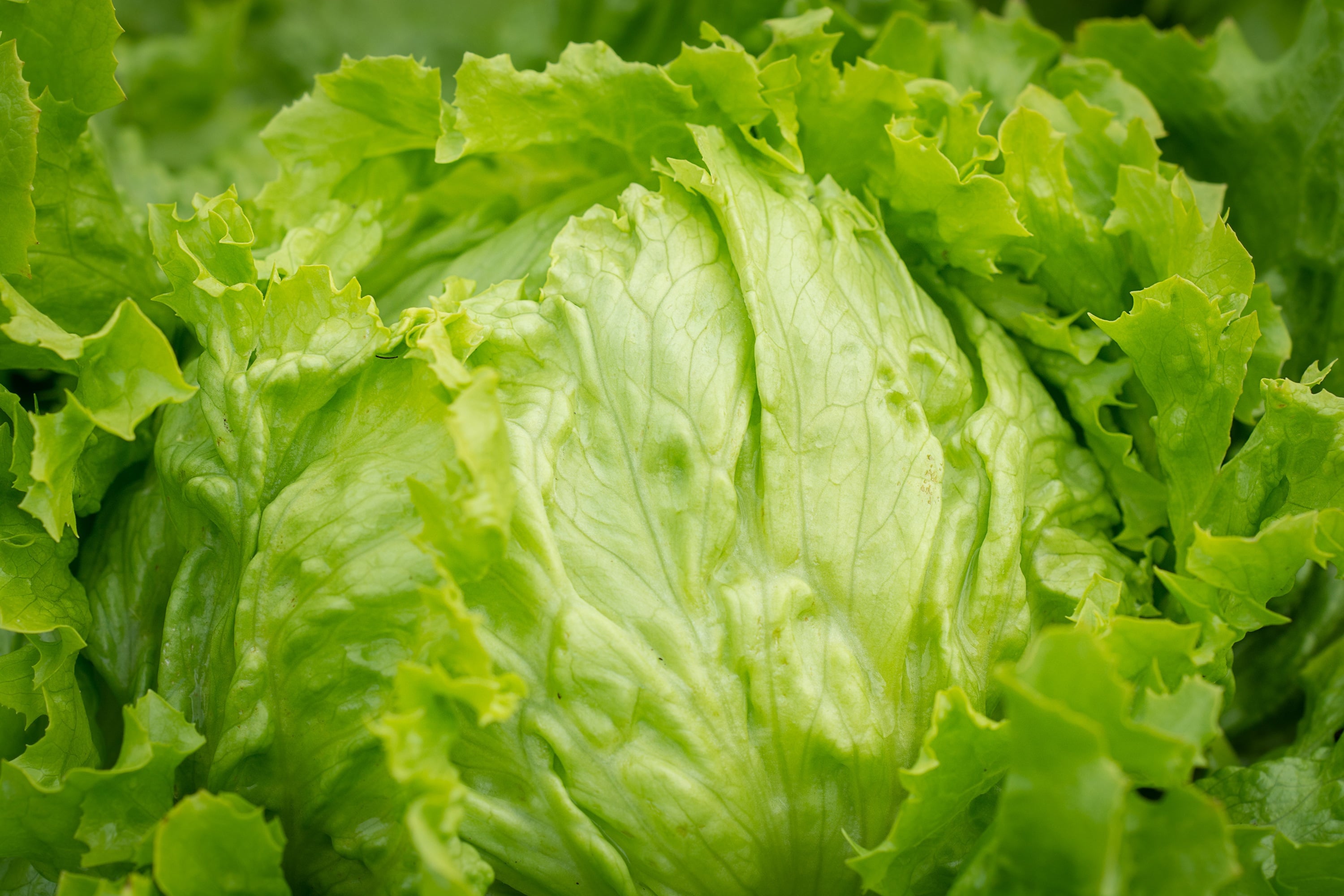
Some states report a two-fold greater number of cases compared to last year and yet we still are not sure what’s causing the outbreak. This happens when food is processed with fecal contaminated water or there’s improper hygiene during food preparation. Always wash your hands after bathroom use and for now, you may want to avoid packaged greens and fruits with bumpy surfaces that are hard to wash clean.
More Information
Clusters of Severe Stomach Illness Reported Across the U.S.
Public health experts said there were more cases than usual of the disease caused by cyclospora, which is spread through contaminated food and drink.
What to know about Legionnaires' disease making people sick in New York City
New York City health officials are investigating a Legionnaires' disease cluster in two Upper East Side neighborhoods. As of July 6, there have been 23 cases, 17 hospitalizations and no deaths. The likely source of the bacteria causing this pneumonia is a cooling tower or towers in the area, officials said.
CDC Cyclosporiasis Data Page
This page shows cyclosporiasis surveillance data reported to CDC since the start of the cyclosporiasis season on May 1, 2026. Recent illnesses may not yet be reported due to the time it takes to identify and report Cyclospora cases. It can take about six weeks from the start of symptoms to when CDC receives the case information.
New York City Health Legionnaire's Disease Data Page
The NYC Health Department is currently investigating a community cluster of Legionnaires' disease in the Upper East Side neighborhoods of Carnegie Hill and Yorkville (ZIP codes 10028, 10128, and 10075). We are confident the source of the Legionella bacteria has been eliminated.