Recent Episodes
Why Do We Prune in Water?
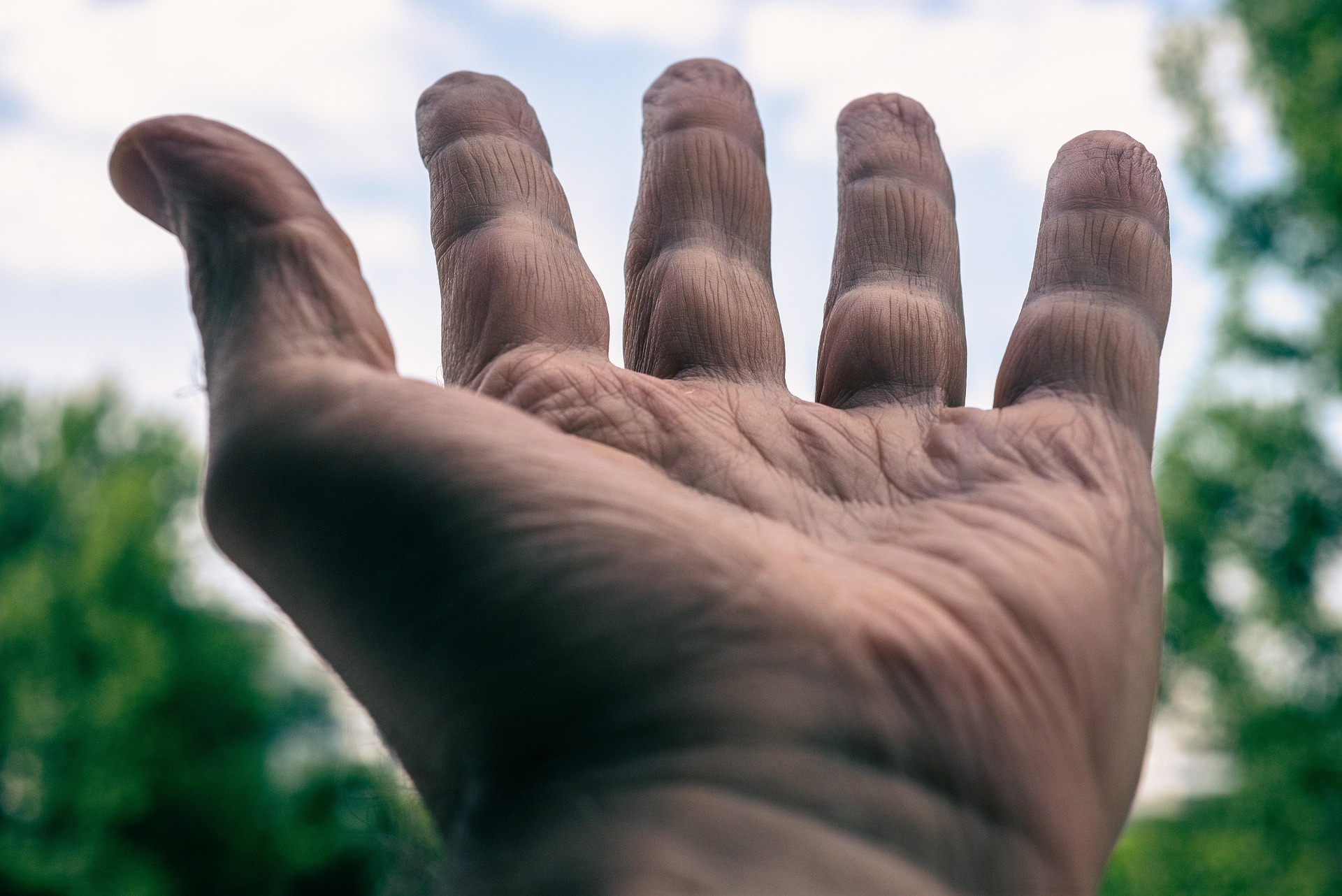
Some of our body’s automatic functions remain a mystery. For example, why do our fingers prune after some time in the water? We don’t know, but a new study suggests it improves our grip on wet objects. There’s a term for pruning called water-induced finger wrinkling. Yep, there’s a term for that.
Here’s how it works. The main nerve running down the arm into the hand called the median nerve controls movement and sensation. It also regulates things we don’t think about, such as sweating and blood vessel constriction. Researchers believe when our hands are soaked in water, the sweat glands open to let water in, leading to an imbalance in the salts in our skin. This triggers the nerve fibers in the fingers to constrict blood vessels around the sweat ducts. The lack of blood means less volume in the skin, which pulls down the flesh, forming wrinkles.
To study whether we gain an advantage from this wrinkling, scientists measured the force five hundred people used to grip a plastic object with dry, wet or wrinkled fingers. As expected, dry hands used less force than wet ones. But when fingers were allowed to wrinkle, the force for wet hands to grip an object dropped by half. So, wrinkling increases friction between wet skin and the object, requiring less energy to hold it, and also the wrinkles allow water to move out more quickly.
It’s possible our ancestors walked better on wet rocks with wrinkled feet, or their wrinkled hands were better at catching shellfish. We don’t know, but half the fun in research is asking why. Our wrinkled fingers are helping us in ways we’ve yet to discover!
More Information
Water-immersion finger-wrinkling improves grip efficiency in handling wet objects
For most people, immersing their hands in water leads to wrinkling of the skin of the fingertips. This phenomenon is very striking, yet we know little about why it occurs. It has been proposed that the wrinkles act to distribute water away from the contact surfaces of the fingertip, meaning that wet objects can be grasped more readily. This study examined the coordination between the grip force used to hold an object and the load force exerted on it, when participants used dry or wrinkly fingers, or fingers that were wet but not wrinkly. The results showed that wrinkly fingers reduce the grip force needed to grip a wet object, bringing that force in line with what is needed for handling a dry object.
On the repeatability of wrinkling topography patterns in the fingers of water immersed human skin
Finger wrinkling during and after water immersion, often called pruning, is an evolutionary mechanism that increases grip strength in water. Previous studies have determined that water-induced finger wrinkles result from vasoconstriction, or the tightening of blood vessels below the skin's surface. However, no previous studies have characterized the morphology of topographical finger wrinkles.
Water-immersion wrinkling is due to vasoconstriction
The underlying mechanism of the water-immersion skin wrinkling test, which is used as a test of sympathetic nerve function, remains elusive. We investigated changes of blood circulation in the hand occurring with water-immersion wrinkling by measuring the velocity of ulnar and digital artery blood flow, and of digit skin blood flow, in healthy subjects before and during wrinkling.