Recent Episodes
Your Neutrophils Make Their Own Band Aid
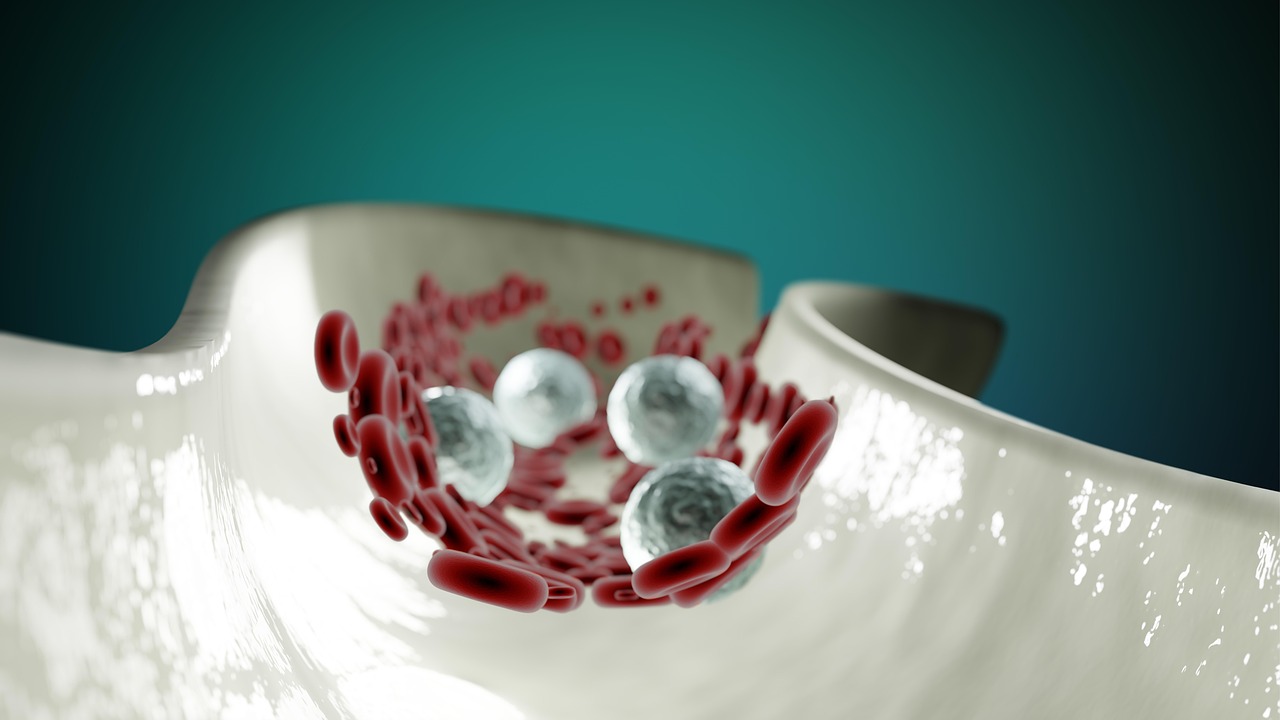
Of all our white blood cells, neutrophils are among the most common and numerous. Their job is to attack, kill and engulf invading pathogens in our wounds and infections. New studies now show neutrophils can also form a “band-aid” layer around a wound to shield against invading microbes.
Neutrophils are first responders that travel to infections to attack invaders. When large numbers of them respond to a wound, you’ll see it in the form of pus. Every time I hear the word, pus (chuckle), ew? But I have to be a fan, right? So, neutrophils are also in layers of epithelial cells and the dense meshwork of proteins found in skin, gut, and lungs that keep out pathogens.
These, unlike blood neutrophils, can produce and release collagen, a protein that acts as scaffolding between cells and provides structure to our tissues. To better understand their role in skin, scientists created thin-skinned mice with few neutrophils and tested them against healthy mice.
When scientists pricked the ears of healthy mice, neutrophils rushed in to clear debris. A second wave produced collagen and laid down a protective ring of collagen around the wound. On day three, the scientists applied bacteria to the wound and in healthy mice, the collagen rings kept bacteria at the surface.
In the thin-skinned mice, the bacteria were able to penetrate the underlying tissue, causing an infection. This may be why people with low levels of neutrophils have slow-healing skin wounds.
Turns out neutrophils are working even harder than we knew to keep us healthy.
More Information
Medical News Today: Neutrophils overview
Neutrophils are a type of white blood cell that help heal damaged tissues and resolve infections. Neutrophil levels can rise or fall in response to infections, injuries, drug treatments, certain genetic conditions, and stress.
Matrix-producing neutrophils populate and shield the skin
Defense from environmental threats is provided by physical barriers that confer mechanical protection and prevent the entry of microorganisms1. If microorganisms overcome those barriers, however, innate immune cells use toxic chemicals to kill the invading cells. Here we examine immune diversity across tissues and identify a population of neutrophils in the skin that expresses a broad repertoire of proteins and enzymes needed to build the extracellular matrix.
Immune cells ‘bandage’ wounds with bacteria-trapping goo
Cells called neutrophils form gooey rings around sites where skin is punctured, study in mice shows.