The University of Texas Medical Branch has received accreditation from the Accreditation Council for Graduate Medical Education Residency Review Committee to establish a Carceral Medicine Fellowship — a pioneering program designed to provide comprehensive, high-impact training across a diverse spectrum of correctional healthcare settings throughout Texas.
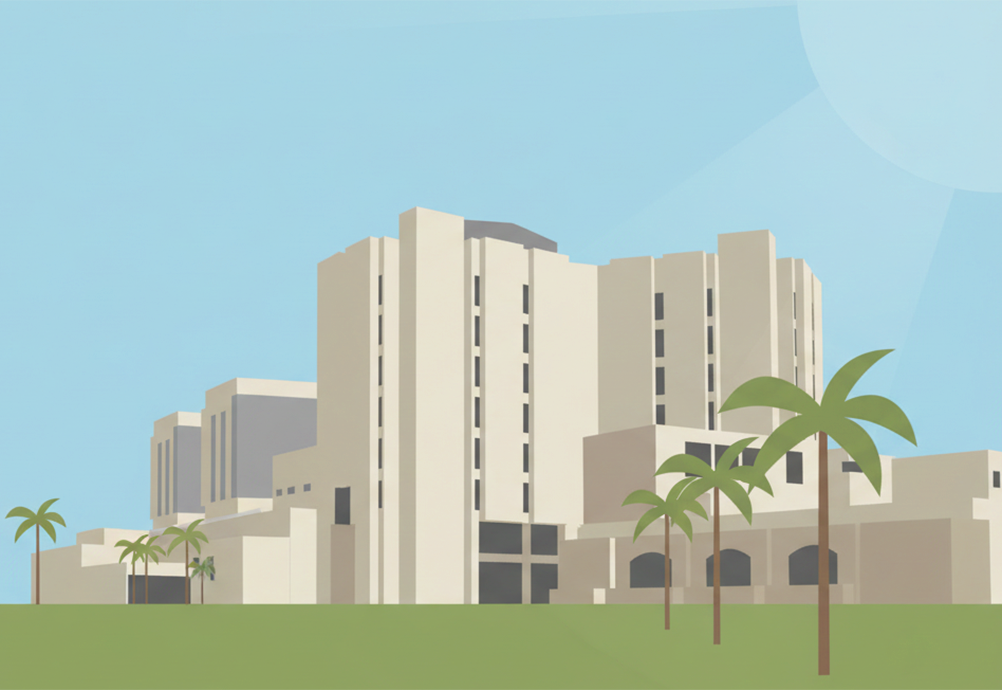
This fellowship offers an immersive and longitudinal experience grounded in patient-centered, evidence-based, and high-value care. Fellows will rotate through the Texas Department of Criminal Justice (TDCJ) Hospital in Galveston, the nation's only maximum-security hospital embedded within a major academic medical center. This unique facility encompasses 150 acute care beds and 141 infirmary beds, delivering daily specialty and subspecialty care to approximately 300 incarcerated patients within a highly structured, secure, and multidisciplinary environment.
150 Acute Care Beds | 141 Infirmary Beds | ~300 Patients Seen Daily |
Additional Core Training Sites
| TDCJ Wayne Scott Unit — a maximum-security behavioral health center specializing in crisis stabilization and inpatient psychiatric care for complex and high-acuity patients. | |
| TDCJ Estelle Unit — a comprehensive regional medical hub featuring a 24/7 emergency department, a 121-bed infirmary, sheltered housing for geriatric male patients, a 300-capacity dialysis program, and extensive diagnostic, rehabilitative, and chronic disease management services. | |
| Federal Medical Center Fort Worth — integrates advanced medical care with rehabilitative programming addressing criminogenic needs, including substance use disorders, education, and workforce reintegration. |
Expanded Clinical Training Settings
Fellows will also gain experience across additional domains of correctional healthcare:
| Galveston County Jail — jail-based healthcare with a focus on intake medicine, acute care triage, and transitional care. | |
| McLennan County State Juvenile Correctional Facility — juvenile justice health emphasizing pediatric and adolescent populations, trauma-informed care, and the impact of social determinants of health on justice-involved youth. | |
| Carole Young Medical Facility — women's health and complex chronic care, including a 141-bed step-down infirmary, comprehensive obstetric care for all pregnant incarcerated women in Texas, and specialized services for female patients with end-stage renal disease. |
Research, Quality Improvement, and Scholarly Engagement
The fellowship is enriched by the scholarly and academic infrastructure of UTMB's Center for Correctional Healthcare Excellence, which serves as a hub for research, quality improvement, and education in correctional health. Fellows will actively engage in research initiatives, contribute to quality improvement projects, and participate in national conversations advancing the field of carceral medicine.
Didactics, Mentorship, and Academic Development
Fellows will attend weekly UTMB Grand Rounds and participate in structured didactic sessions, case-based discussions, and interdisciplinary conferences. They will also have opportunities to teach and mentor medical students, residents, and advanced practice providers, fostering the development of academic leadership skills.
Through this combination of hands-on clinical training, academic engagement, and system-level exposure, fellows will graduate with a comprehensive, multidisciplinary foundation in correctional healthcare — well positioned to lead in this evolving field.
How to Apply
Interested candidates should submit the following materials:
1
| Cover Letter |
2
| Dean's Letter (MSPE) |
3
| ECFMG Certification (if applicable) |
4
| Letters of Recommendation |
5
| Medical School Transcripts |
6
| USMLE and/or COMLEX Scores |
7
| Explanation of any gaps in training or employment |
Send completed application materials to klfoss@utmb.edu or by fax to 409-772-7623.
Visa Sponsorship: J-1 visas are accepted. H-1B visas are not eligible unless a continuation.