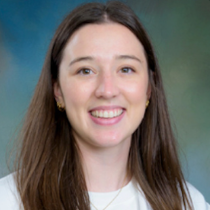
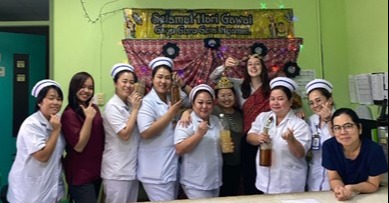
When Ashlyn Milton, a first-year medical student at UTMB and UTMB One Health trainee, signed up for a global health rotation in Sibu, Malaysia, she didn’t know what to expect - she began with an open mind and an eagerness to learn. A combination of coursework and fellow students’ international medical work inspired her initial interest in global health. After earning her master’s in public health at London School of Hygiene and Tropical Medicine and growing more curious about global medicine, she became the first UTMB student to be offered this type of rotation. “I wanted to learn how medicine is practiced in different settings,” she said. In July 2025, she reflected on her summer at Sibu Hospital. Her Global Health rotation was a vibrant, challenging, and enriching experience that blended clinical work, cultural immersion, and personal growth.
Located on the island of Borneo, Sarawak is Malaysia's largest state and a region where modern medicine intersects with diverse indigenous communities and tropical disease patterns. This Malaysian state presents unique healthcare challenges, from managing diseases like dengue and melioidosis to serving remote communities. Ashlyn's first day at Sibu Hospital was different from typical American healthcare. Instead of private rooms, she found long hallways of patients separated by blue curtains. Medical notes were handwritten rather than electronic, and physician-patient interactions flowed between multiple languages. Her days at the hospital began early, often at 6AM. She shadowed physicians, aided in research at the Clinical Research Center, and developed her own research projects.
The clinical differences ran deeper than the physical setting. Linked to a severe 1997 outbreak beginning in Sarawak, diagnosing hand, foot, and mouth disease required her to consider enterovirus 71 - a different approach than she’d studied. This connection between environment and health became clear during her rotation when she traveled through a neighborhood in Sibu where houses were sinking into stagnant water due to shifting earth and heavy rains. Public health departments divide areas in town into different zones. Local physicians nicknamed Zone 7 as "dengue heaven," and a patient's address alone could indicate the need for dengue testing. Similarly, the indigenous Iban population's traditional lifestyle and reliance on river water made them particularly vulnerable to melioidosis, inspiring her own research. These lessons taught Ashlyn that her American medical training would need adaptation for the local patient population.
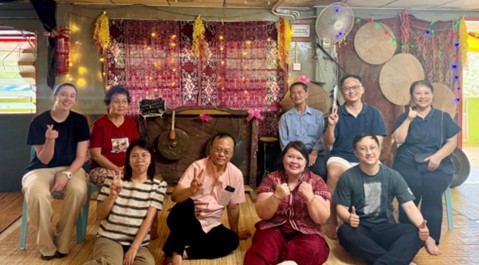
Ashlyn's most memorable moment came through an invitation to celebrate Gawai, the rice harvest festival, with an indigenous Iban family at their traditional longhouse. The evening began with blessings and gratitude, followed by visits to each family's quarters where she was invited to try family “tuak” (rice wine) recipes. The night was filled with traditional dancing, food, and midnight firecrackers - an experience of cultural immersion that left her feeling wholeheartedly welcomed into their community.
Ashlyn was mentored by pediatrician Dr. Teck-Hock Toh who leads the Clinical Research Center at Sibu Hospital in Sarawak. Dr. Toh is a long-time research collaborator with UTMB’s Professor Greg Gray. Together they have introduced more than a dozen young scholars to One Health and global health research.

Each day Ashlyn closely observed Dr. Toh and his colleagues. She saw them take on roles outside their specializations, problem-solve creatively, and develop alternative approaches when specialized treatment was not available. This experience transformed her perspective on patient care. “Understanding the whole person - their environment, culture, and daily life - is critical,” she said, a lesson she’ll carry into her career.
Her advice to fellow medical students is to step outside your comfort zone and stay curious. "The world is vast, and there is so much to learn when we allow ourselves to truly listen, observe, and engage with different perspectives," she reflects. "Some of my greatest growth happened when I was uncomfortable, uncertain, or seeing the world through someone else's eyes." Ashlyn built on her experience with both a case report regarding a novel heterozygous nonsense variant in CSNK2B gene in a toddler suggesting close correlation with the clinical profile of "Porier-Bienvenu neurodevelopmental syndrome". She also co-authored an abstract and poster describing the challenges of diagnosing melioidosis in Kapit, a small rural area located two hours from Sibu.
She reiterates how much she learned about herself, medicine, culture, and how to be a better doctor through this rotation, highlighting the importance of global experience in the medical field. Her research and dedication to human and environmental health aligns with the One Health Mission Statement. Ashlyn’s experience in Sarawak demonstrates that global health isn’t just about learning medicine, it’s about listening, adaptability, and openness to new perspectives.