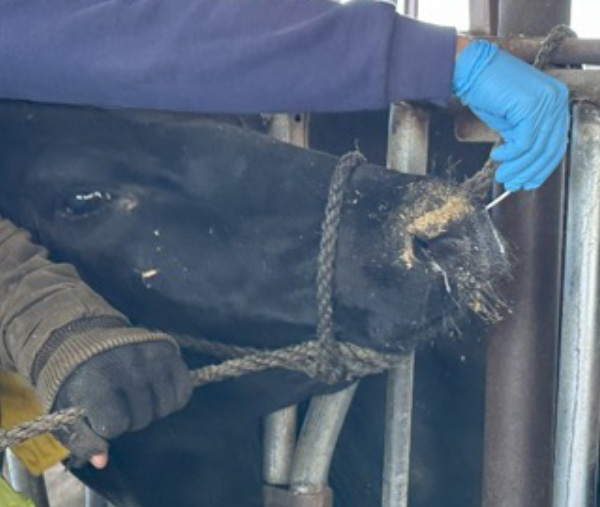
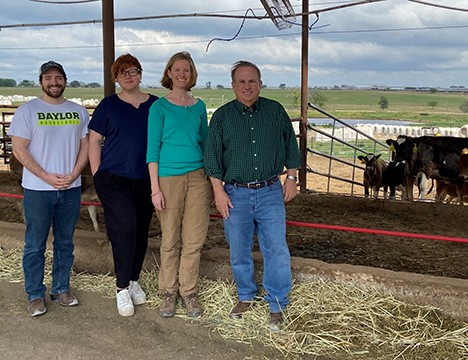
A study recently published in Influenza and Other Respiratory Viruses, investigated whether novel respiratory viruses were circulating on two Texas dairy farms from December 2022 to December 2023, before the onset of the ongoing H5N1 epizootic. Researchers focused on pathogens with the potential to jump from animals to humans, including influenza A and D viruses and coronaviruses. Their findings were reassuring as no novel respiratory viruses were detected in the cows, farm workers, or the environment prior to the outbreak of H5N1.
As the article notes, this outcome was not unexpected. “Considering that the spillover of H5N1 avian influenza virus into the dairy cows likely occurred in March of 2024”, the authors state, the absence of any novel viruses prior to the outbreak aligns with the timeline of the H5N1 outbreak among dairy cows. UTMB scientists employed cutting-edge pan-species diagnostic tools to detect potential infectious disease threats early. Their work confirmed that the H5N1 outbreak, at least in the farms studied, was not preceded by any unknown respiratory viruses in the dairy cows, easing concerns about hidden zoonotic threats.
For dairy farmers, this is welcome news. Respiratory outbreaks in livestock can have severe economic and operational impact and poses significant concern about viral spread to humans. UTMB’s surveillance efforts provide data-driven reassurance, helping farmers make informed decisions while bolstering consumer confidence. This study underscores that public health protection and food safety go hand-in-hand with diligent animal health surveillance. While the study was limited to two farms, expanding research across a broader range of dairy operations in Texas could further strengthen understanding of the industry’s vulnerability to emerging pathogens.

Beyond providing reassurance, the study highlighted the need for ongoing vigilance. Emerging viruses are an ever-present concern, and the UTMB One Health Laboratory is committed to maintaining robust surveillance networks across Texas and beyond. By seeking to proactively identify potential threats, UTMB One Health contributes not only to animal health, but also to broader public health preparedness and response.
At a time when zoonotic outbreaks can spark global pandemics, UTMB’s proactive, science-driven surveillance approach demonstrates how research, monitoring, and collaboration can provide both practical protection and peace of mind. For Texas dairy farmers, and the consumers who rely on them, the message is clear: One Health research and ongoing vigilance are essential to sustain healthy cows, farmers and consumers.