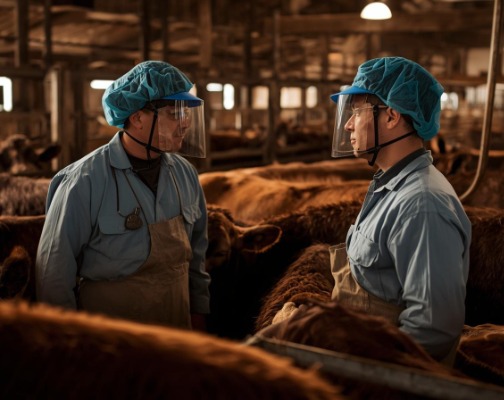
When highly pathogenic avian influenza A (H5N1) was first confirmed in U.S. dairy cattle in early 2024, it challenged assumptions about which species are at risk from “bird flu”. Follow-up investigations show that this virus can spread efficiently within and between dairy herds and occasionally infect other mammals, including cats and humans [1]. Few health professionals believed that humans were being infected with avian influenza A (H5N1) during these outbreaks.
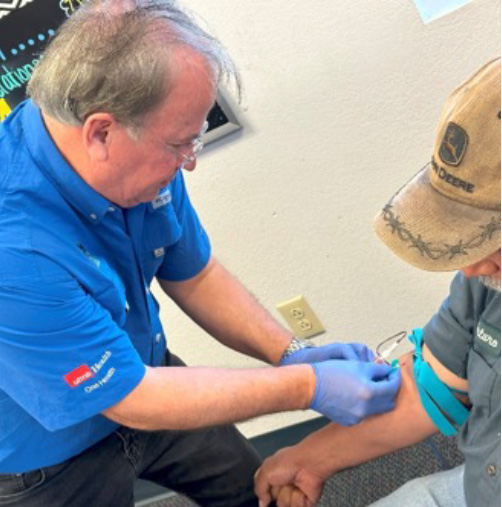
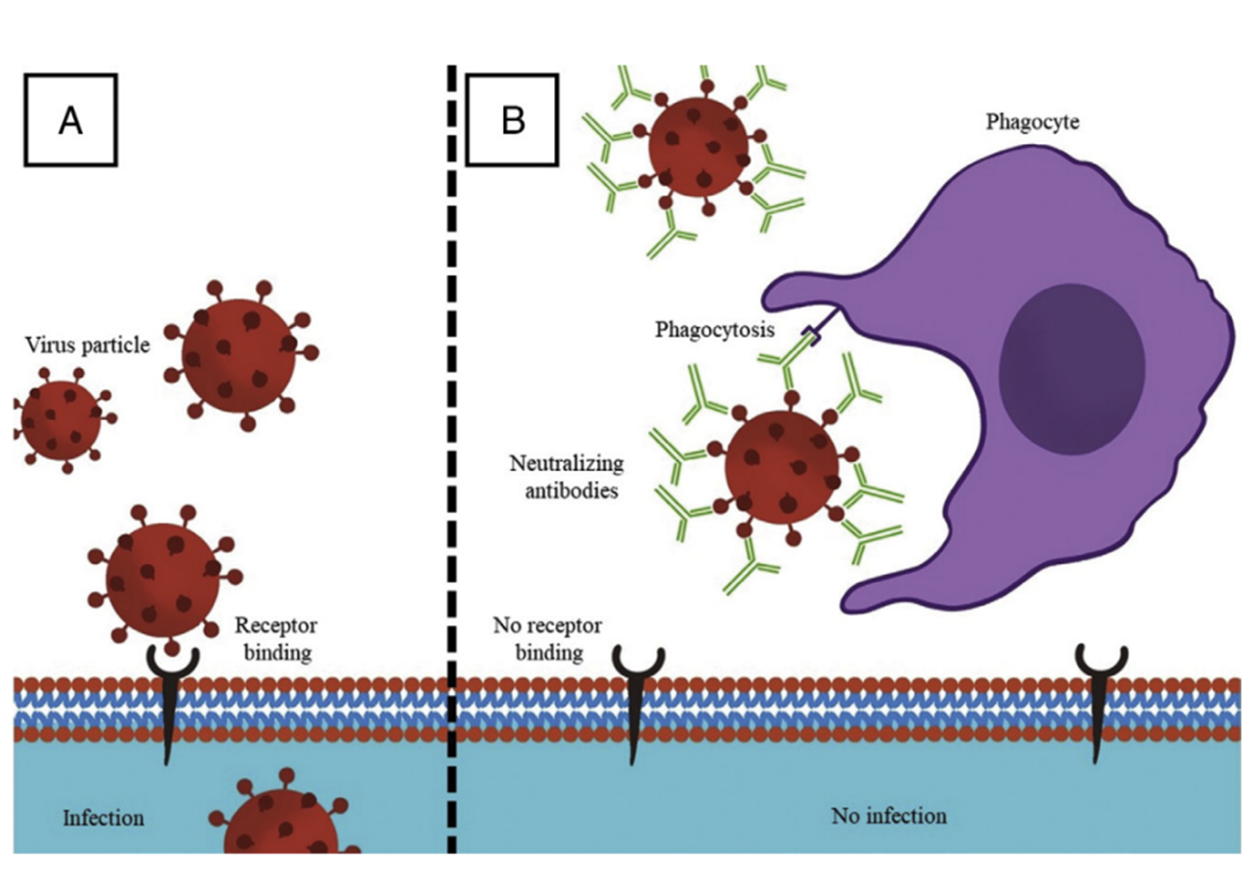
In a new manuscript published in the journal Influenza and Other Respiratory Viruses by UTMB One Health collaborators (Dr. Ismaila Shittu first author), Low Levels of Neutralizing Antibodies to Influenza A (H5N1) and D Viruses Among Cattle and Cattle Workers on U.S. Farms, 2024–2025, adds important information to this evolving story [2]. The researchers tested cattle and cattle worker sera against the H5N1 influenza A virus, which is associated with the current U.S. dairy cattle epizootic, and Influenza D virus, which is a newly recognized virus known to circulate in cattle populations. The researchers measured neutralizing antibodies in cattle and cattle worker sera. These assays tell scientists if the cattle or cattle workers have evidence of previous infection by looking for evidence of blocking viral infections into susceptible cells in the laboratory [3].
While the number of cows and people studies were modest, the UTMB team found evidence of both viral infections in a small portion of the cattle and cattle workers. UTMB data are consistent with two recent CDC reports [4,5] and previous publications by Professor Gray confirming that humans occasionally suffer mild or subclinical (silent) infections with H5N1 influenza A virus [6] and influenza D virus [7].
These new reports suggest that influenza A and D virus infections in cattle and humans are likely to occur more often than we know. Each new introduction or amplification of these viruses threatens animal health and milk production, increases the chance of virus adaptation in mammals, and creates more opportunities for human infection.
References
- Peacock TP, Moncla L, Dudas G, VanInsberghe D, Sukhova K, Lloyd-Smith JO, Worobey M, Lowen AC, Nelson MI. The global H5N1 influenza panzootic in mammals. Nature. 2025 Jan;637(8045):304-313. doi: 10.1038/s41586-024-08054-z. Epub 2024 Sep 24. PMID: 39317240.
- Shittu, I., et al. (2025). "Low Levels of Neutralizing Antibodies to Influenza A (H5N1) and D Viruses Among Cattle and Cattle Workers on US Farms, 2024-2025." Influenza Other Respir Viruses 19(9): e70162.
- de Azevedo, J. L. L. C., et al. (2022). Chapter 6 - Immune responses to vaccines: from classical to systems approaches. System Vaccinology. V. Prajapati, Academic Press: 111-152.
- Mellis AM, Coyle J, Marshall KE, et al. Serologic Evidence of Recent Infection with Highly Pathogenic Avian Influenza A(H5) Virus Among Dairy Workers — Michigan and Colorado, June–August 2024. MMWR Morb Mortal Wkly Rep 2024;73:1004–1009. DOI: http://dx.doi.org/10.15585/mmwr.mm7344a3.
- Dawood FS, Garg S, Patel P, Uyeki TM. Asymptomatic Human Infections With Avian Influenza A(H5N1) Virus Confirmed by Molecular and Serologic Testing: A Scoping Review. JAMA Netw Open. 2025;8(10):e2540249. doi:10.1001/jamanetworkopen.2025.40249
- Khuntirat, B. P., et al. (2011). "Evidence for subclinical avian influenza virus infections among rural Thai villagers." Clin Infect Dis 53(8): e107-116.
- White, S. K., et al. (2016). "Serologic evidence of exposure to influenza D virus among persons with occupational contact with cattle." J Clin Virol 81: 31-33.