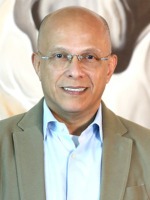
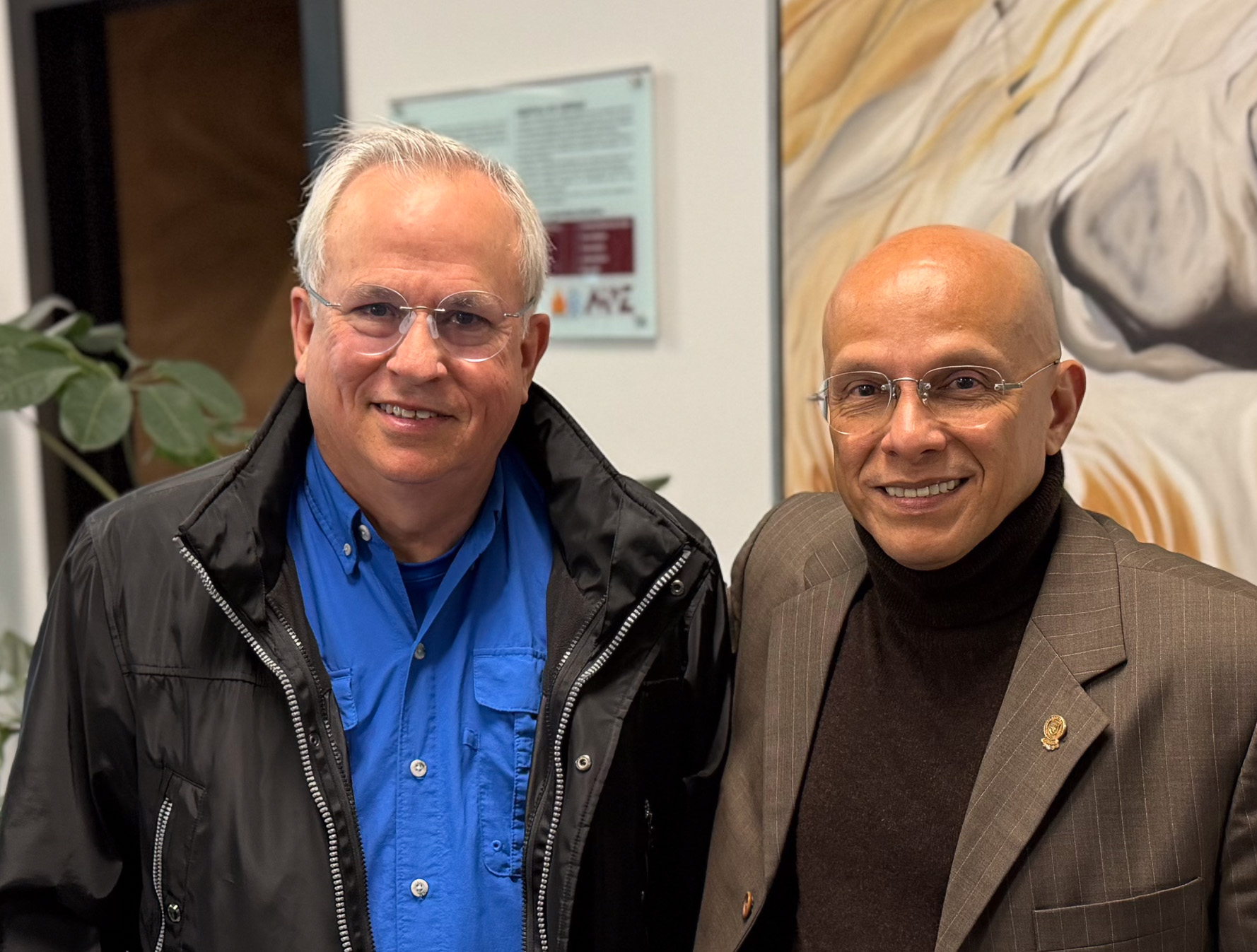
Dr. Gustavo Hernandez-Vidal is currently one of UTMB One Health’s closest collaborators, and it is because of his leadership that we have discovered several new respiratory viruses that pose a threat to animal and possibly human health. He traces his entry into veterinary medicine back to high school, when curiosity about biology and a desire to use science in service of others guided him to the field. That blend of curiosity and responsibility remained as his work expanded beyond individual animals to the broader health systems that connect animals, people, and the environment.
He credits his veterinary education at the Universidad Autόnoma de Nuevo Leon (UANL) with grounding his thinking in real-world challenges and regional realities. His training taught him to pursue solutions that are not only scientifically sound, but socially relevant and responsive to community needs. “UANL instilled in me a strong sense of public responsibility, resilience, and institutional commitment,” he said, shaping his approach “to seek solutions that balance academic excellence with tangible impact, always mindful of the broader role of public education in social development.”
A pivotal moment came early in his academic journey, when he realized that clinical excellence, while essential, “was not sufficient” to address the scale of modern health challenges. Exposure to research and the global academic environments pushed him toward public health, policy and system-level thinking, where veterinary expertise can be uniquely strategic.
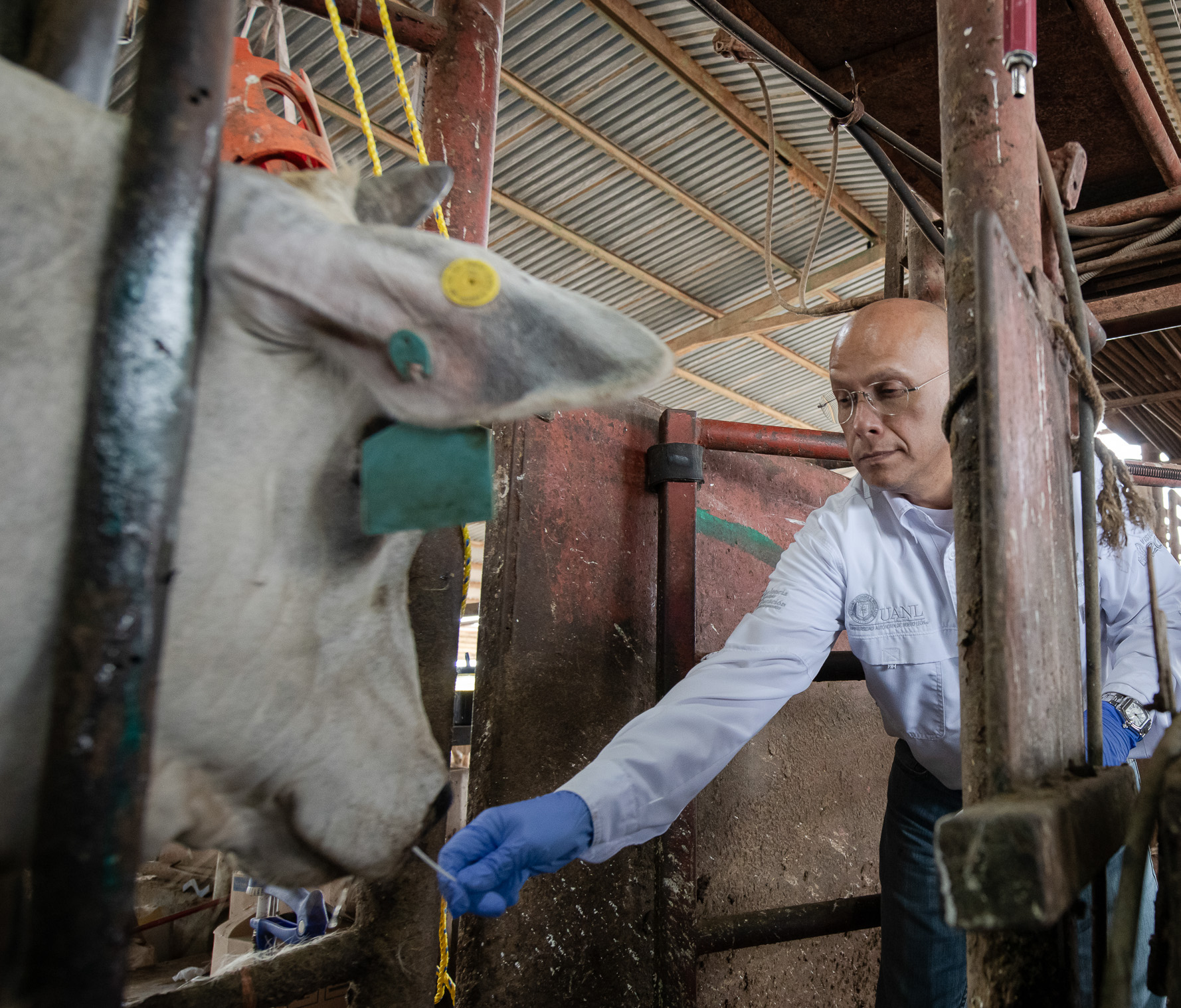
Graduate school training reinforced that broader lens. At Harvard, his master’s training in environmental health management reframed what veterinary impact can look like: prevention, risk assessment, and upstream systems-based solutions at the population level. It strengthened his conviction that veterinarians must contribute to public health and sustainability, because “managing risk upstream often has the greatest societal impact”. At the University of Cambridge, his PhD training reinforced scientific rigor and intellectual independence in framing precise questions, designing robust experiments, and interpreting evidence with discipline and humility.
Today, as Director/Dean of UANL’s Faculty of Veterinary Medicine, Dr. Hernandez-Vidal’s agenda centers on consolidating academic excellence, strengthening clinical and research capacity, advancing internationalization and embedding One Health as a guiding farmwork, while also cultivating a more human, inclusive, and supportive academic culture. He doesn’t see clinical training, research excellence, and community need as competing priorities. Instead, he views them as mutually reinforcing: “Good clinical training helps us understand real problems, strong research helps us find better solutions, and community needs that remind us why we do what we do.”
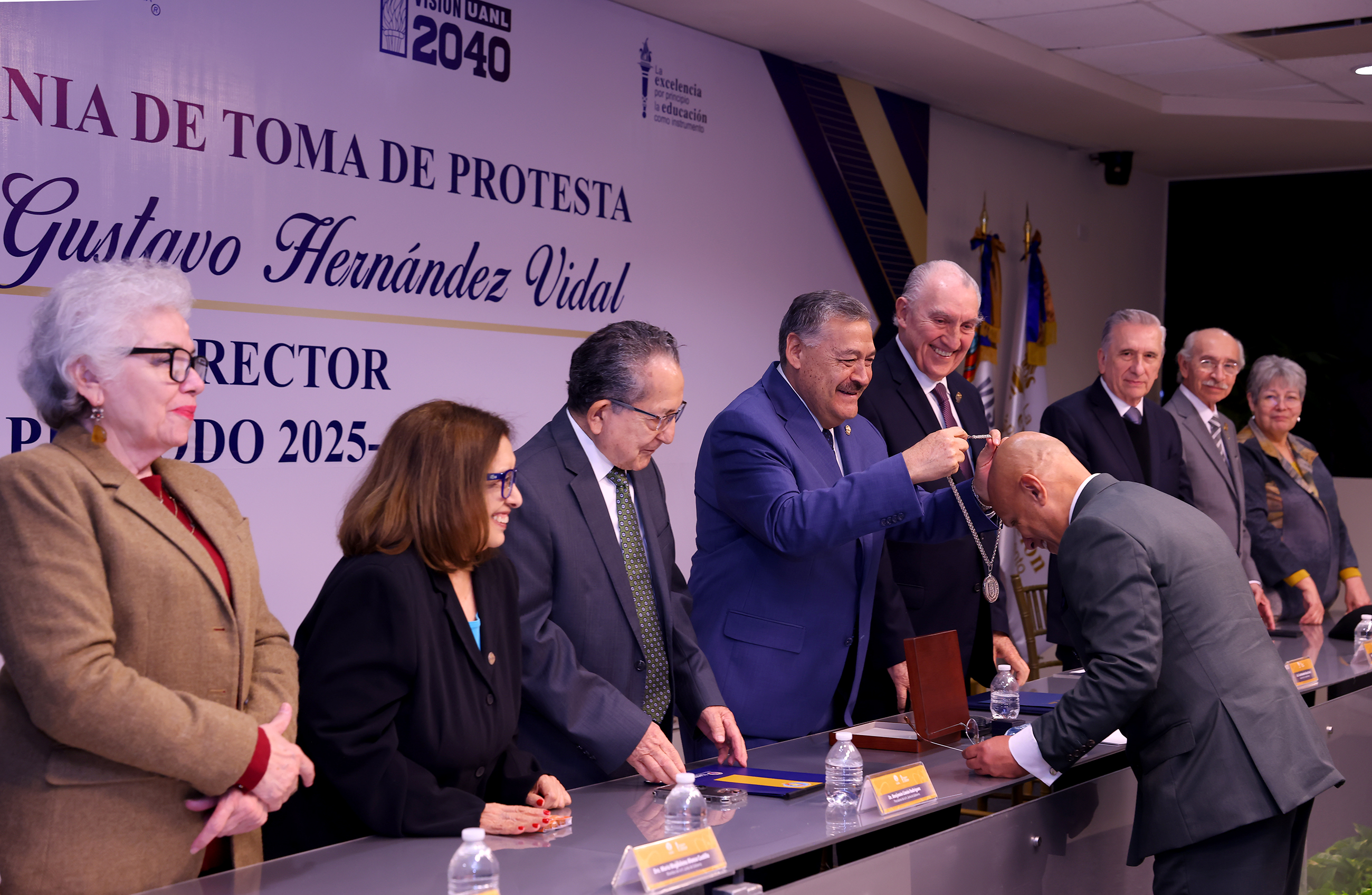
That pragmatism also informs his leadership philosophy. The best advice he recalls came from Dr. Santos Guzman Lopez, President of UANL, who often reminded him that “it is acceptable to be wrong in an appointment; it is not acceptable to remain wrong by failing to act”. For Dr. Hernandez-Vidal, that mindset shaped his understanding of leadership as a responsibility that is grounded in clarity, accountability, and the courage to make decisions in the service of the institution and its mission.
When asked what motivates him most, he focused less on any single technical problem and more on training the next generation as professionals who are ethically grounded, globally competent, and socially responsible. Preparing them, he argues, means readiness for emerging threats, such as zoonotic diseases, antimicrobial resistance, and vulnerability across food systems, while striving to “align scientific excellence with human values” at the center of progress.