
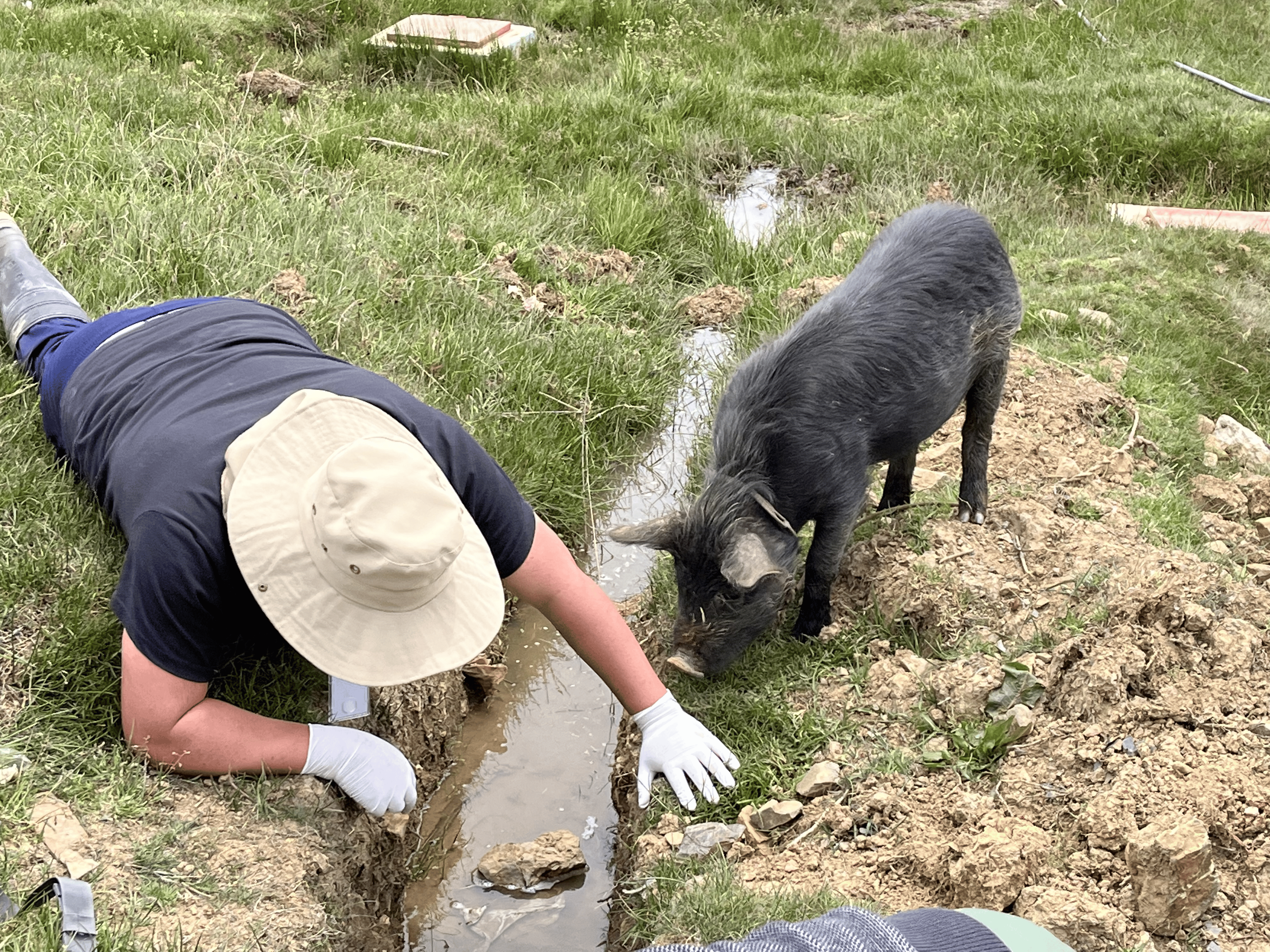
Dr. Melinda Tanabe received a Doctor of Medicine Degree in 2012 from the University of Favaloro, Buenos Aires, Argentina. She completed a 3-year Internal Medicine Residency program at the University of Illinois, Chicago John H. Stroger "Cook County" Hospital, and during her 4th year, served as the Internal Medicine Chief resident. Subsequently, Dr. Tanabe enrolled in the UTMB Infectious Diseases fellowship program where she specialized in Tropical Diseases and Global Health. She was awarded multiple academic scholarships during her training in this program. Dr. Tanabe is currently finishing a Master’s degree program in clinical sciences and serving as an Assistant Professor in the Division of Infectious Diseases at UTMB. Her main interests are Travel Medicine and Global Health with a focus on neglected parasitic disease pathogens.
As a trained clinician board certified in internal medicine, infectious disease, and with a special certification in tropical medicine, which is also taught to UTMB medical students, Dr. Tanabe is a very unique, talented and productive faculty member. She was inspired by the burden of tropical diseases during her upbringing in Argentina, and the vulnerable populations that she has and continues to study as her research subjects in South America, including tropical parasitic diseases in Peru. Per my discussion with Dr. Tanabe, it appears that we all have more in common than we may realize with the people burdened with tropical disease, particularly down the line.
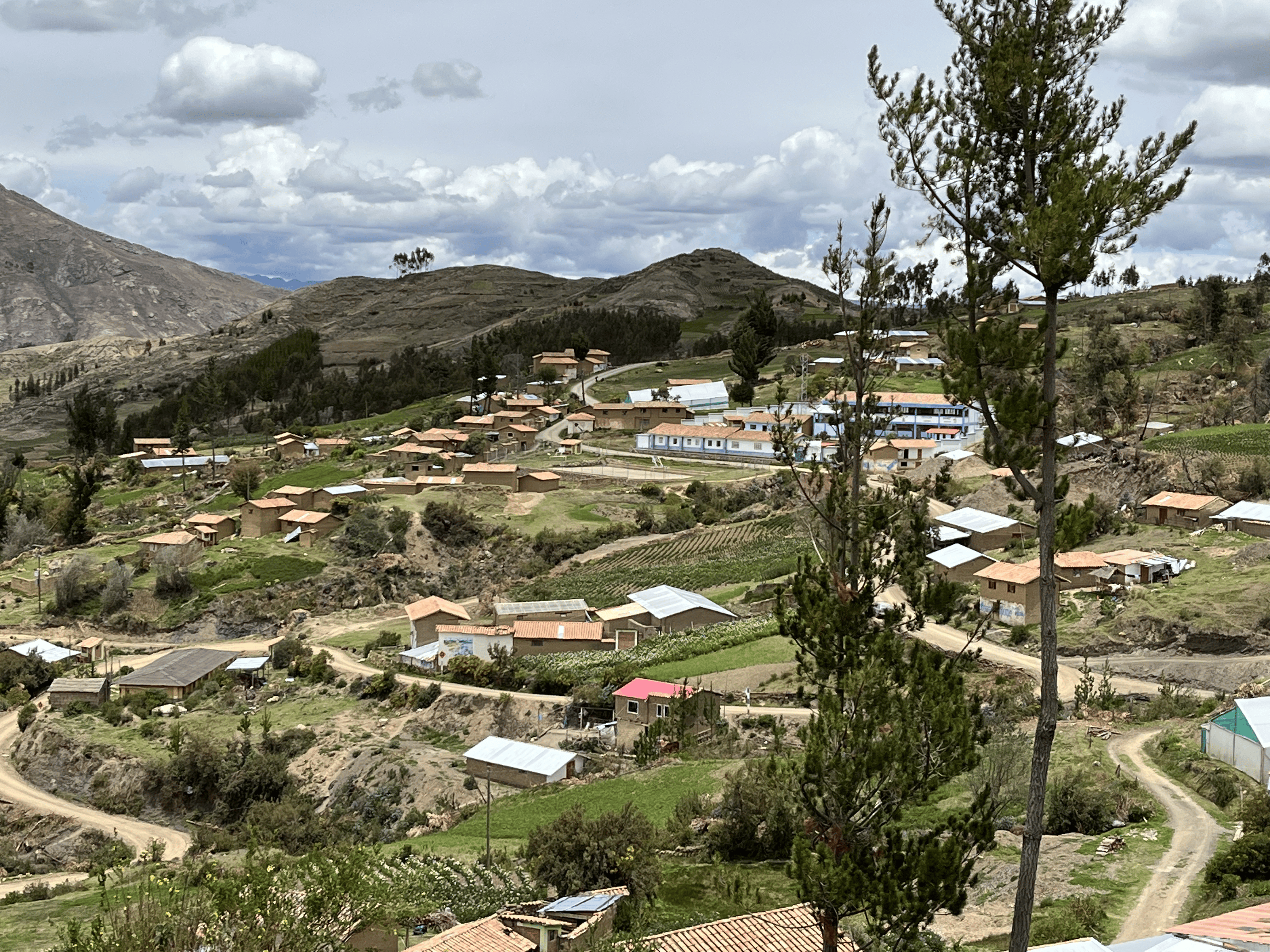
The goal of Dr. Tanabe’s research is to obtain a more accurate picture of how infectious diseases spread and affect different populations. For this, we need to create more sensitive diagnostics for neglected diseases among often overlooked populations that may be viewed as unimportant because the inhabitants are isolated and removed in the world’s eyes. Dr. Tanabe primarily conducts research on parasites that cause disease, and the parasites she researches are what the World Health Organization (WHO) refers to as “neglected parasites”, which per Dr. Tanabe, means that a large portion of the population may have them, but the effects may be more widely seen in the future.
Currently, obtaining research funding is a challenge because these parasites are seen as being isolated and only affecting a small number of the population of people in the grand scheme. However, per Dr. Tanabe, these are likely more widespread than realized. Dr. Tanabe’s hope is that Geographic Information Systems (GIS) can be used to more accurately show the spread of tropical parasites. GIS connects data to a map, integrating location data (where), to information (what). This has been applied to COVID19 maps in 2020 or in real state apps when looking at crime rates of a neighborhood. GIS has been used for quite some time; however, only more recently (the past few decades per Dr. Tanabe) as a tool for infectious disease monitoring. With a wealth of data regarding climate conditions and changes due to such a long history with GIS, we can also foresee where certain parasites will thrive. This information is readily available in the United States, and in other countries as well.
From a One Health perspective, the environment clearly plays a key role in the expansion of the geographical range of tropical parasites. It is predicted that with global warming, some non-endemic parasites may start increasing and spreading, even potentially to the United States. Dr. Tanabe believes that the southern states is becoming prime real estate for Strongyloides stercolaris (a neglected tropical disease with non-specific symptoms such as chronic abdominal pain, or weight loss, with potential to cause multiple re-infections)1. Furthermore, Dr. Tanabe hopes to start identifying the tropical diseases and parasites on the front end by collecting and testing water and soil samples. This will provide an understanding of the identification, location and prevalence of the parasites or bacteria, that can then be mapped to better understand the potential human and animal health risk and impact. As such, a better understanding of where the pathogens thrive will lead to better utilization of resources on the ground to prevent human and animal infection, before the pathogens has the opportunity to spread further, in an environment in which we already know it thrives and elsewhere.
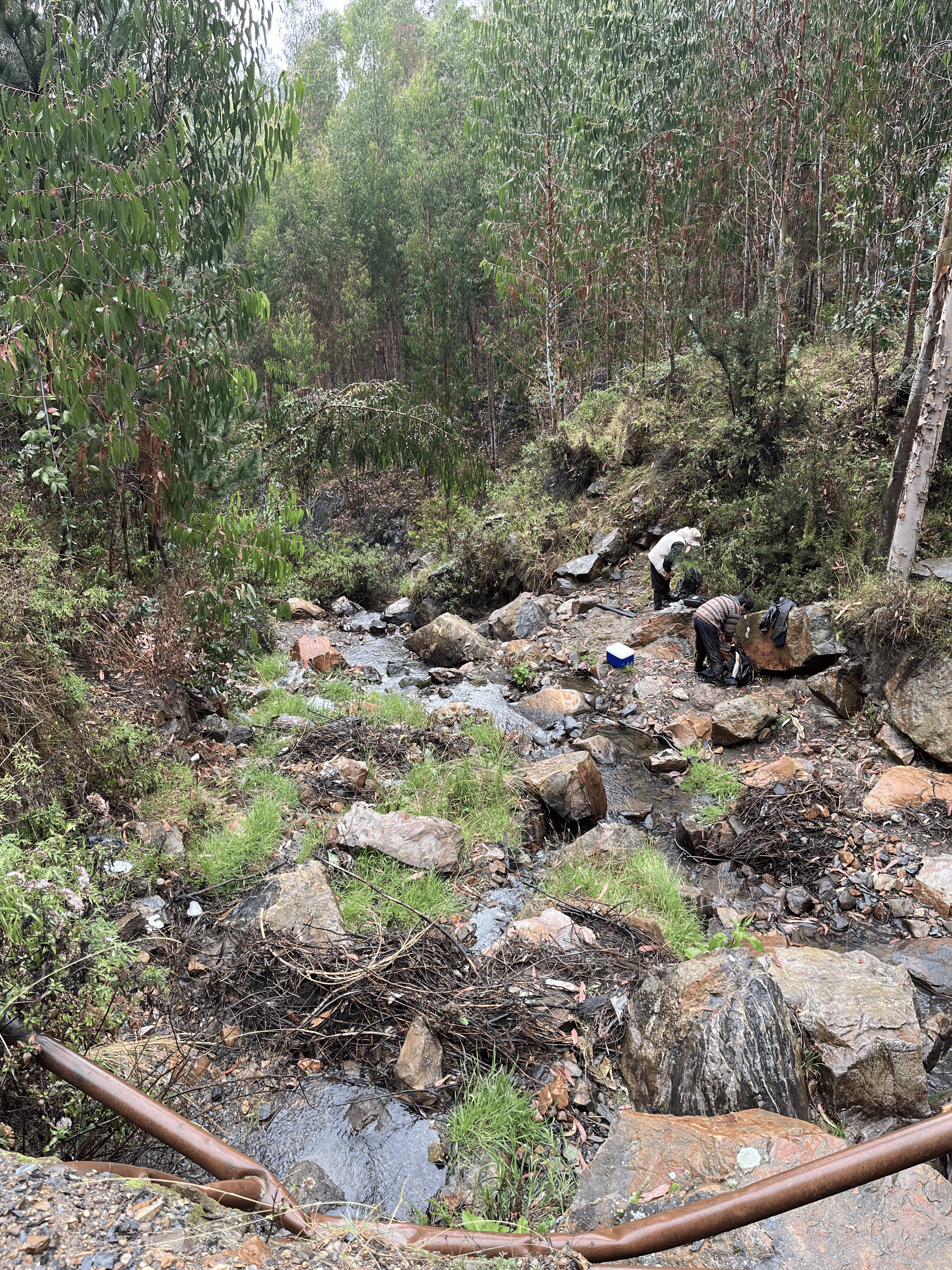
Dr. Tanabe’s research involves significant field work in small, rural, remote areas near Cusco, Peru by Dr. Cabada’s lab. To reach these places from Cusco, it can take 2-hours by car, but pending factors such as weather, and potential avalanches moving up mountains, it can be significantly longer. In these isolated places, access to clean water and the lack of waste disposal and poor sanitation can be a concern. In these areas, the method of pathogen transmission greatly depends on the species, for instance Fascioliasis (a liver fluke parasite is transmitted via consumption of cysts in contaminated water or aquatic plants) However, Hymenolepis Nana (a dwarf tape-worm, the most common cestode infection in the world)3 it can be transmitted from human to human, with schools playing a role in spread among children3, while Strongyloidiasis is transmitted by soil (e.g. people barefoot outside). The multifactorial effects of these infections depend on the organism, for example, that may cause anemia. This can create major problems in child development, including decreased physical and cognitive development, and some children may also have stunted growth and chronic malnutrition. Children tend to be disproportionately affected, per Dr. Tanabe, with adults less symptomatic. Immunological aspects are still not well described at this time, however, in the case of some diseases such as Strongyloidiasis, an individual may be infected for years, with no symptoms, then have lowered immunity (for example, a solid organ transplant per Dr. Tanabe), and then develop a severe and potentially life-threatening infection. The animal reservoirs of Strongyloidiasis is well studied, but in Fascioliasis, livestock are a well-known reservoir of infection. Because they serve as a critical source of nutrition for many communities, when the animals are ill or malnourished, the results can be devastating for the people’s economy.
Furthermore, when sick animals are slaughtered and given to dogs as food, and humans interact with these dogs (as in the case of Echinococcus granulosus; a tape worm that affects the liver in which humans are accidental intermediate hosts)4, the parasite spreads to people increases more rapidly. Per Dr. Tanabe none of the work they have been able to achieve at Dr Cabada’s research on Strongyloides, Fascioliasis, Hymenolepasis and Echinococcus would be possible without the fieldworkers. “They (fieldworkers) are the stars of everything we do” and emphasized that researchers are only as good as their help on the ground doing the work.
Having the perspective of both a researcher and clinician, Dr. Tanabe recognizes the importance of one-on-one patient care but sees the added value of research to the greater good. Per Dr. Tanabe, the “One Health approach is important because looking at the disease pathogens, mapping, the environment, and looking at the animals, and what happens to the people, is a very holistic way of identifying the cause and transmission of disease pathogens, and it is essential to approach human and animal disease in this way”.
References
- Malaga, J. L., Fernandez-Baca, M. V., Castellanos-Gonzalez, A., Tanabe, M. B., Tift, C., Morales, M. L., Lopez, M., Valdivia-Rodriguez, A., Mamani-Licona, F., & Cabada, M. M. (2024). The recombinase polymerase amplification test for Strongyloides stercoralis is more sensitive than microscopy and real-time PCR in high-risk communities of Cusco, Peru. Pathogens, 13(10), 869. https://doi.org/10.3390/pathogens13100869
- Mas-Coma, S., Valero, M. A., & Bargues, M. D. (2023). One health for fascioliasis control in human endemic areas. Trends in Parasitology, 39(8), 650–667. https://doi.org/10.1016/j.pt.2023.05.009
- Cabada, M. M., Morales, M. L., Lopez, M., Reynolds, S. T., Vilchez, E. C., Lescano, A. G., Gotuzzo, E., Garcia, H. H., & White, C. A. (2016). Hymenolepis Nana Impact among children in the highlands of Cusco, Peru: An emerging neglected parasite infection. The American Society of Tropical Medicine and Hygiene, 95(5), 1031–1036. https://doi.org/10.4269/ajtmh.16-0237
- Tamarozzi, F., Hou, A., Morales, M. L., Giordani, M. T., Vilca, F., Mozo, K., Bascope, R., White, A. C., Brunetti, E., Chen, L., & Cabada, M. M. (2017). Prevalence and risk factors for human cystic echinococcosis in the Cusco Region of the Peruvian highlands diagnosed using focused abdominal ultrasound. The American Society of Tropical Medicine and Hygiene, 96(6), 1472–1477. https://doi.org/10.4269/ajtmh.16-0882