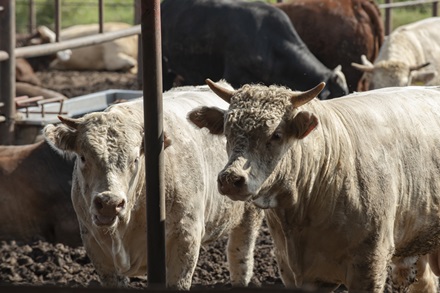
Respiratory disease in cattle is often thought of as a livestock health issue, but it is also a One Health issue with implications for animal health, farm productivity, and human exposure. In a recently submitted manuscript, researchers from the University of Texas Medical Branch (UTMB) and collaborator report findings from a surveillance study examining respiratory viruses in cattle, farm workers, and farm environments across farms in the United States and Mexico.
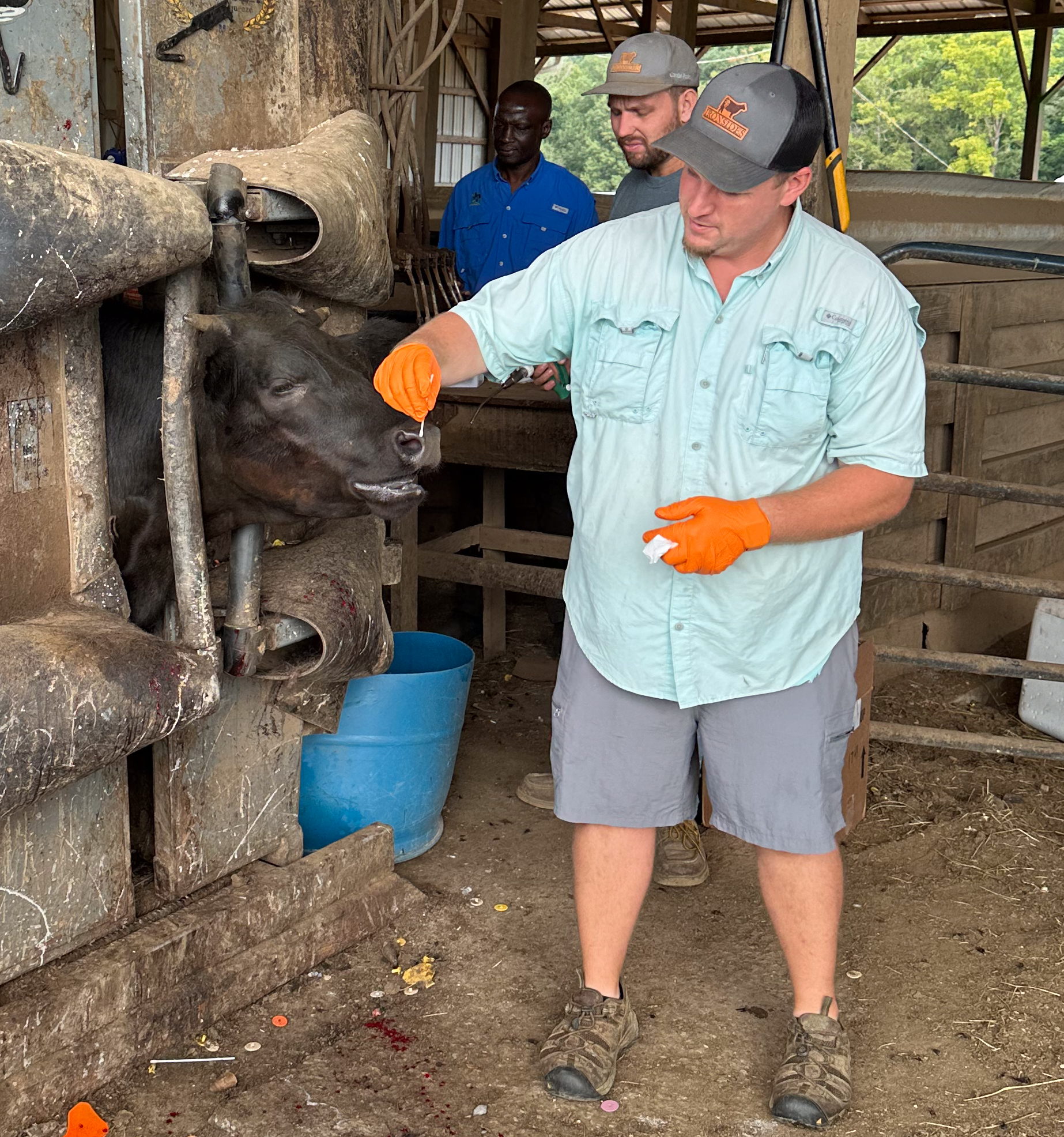
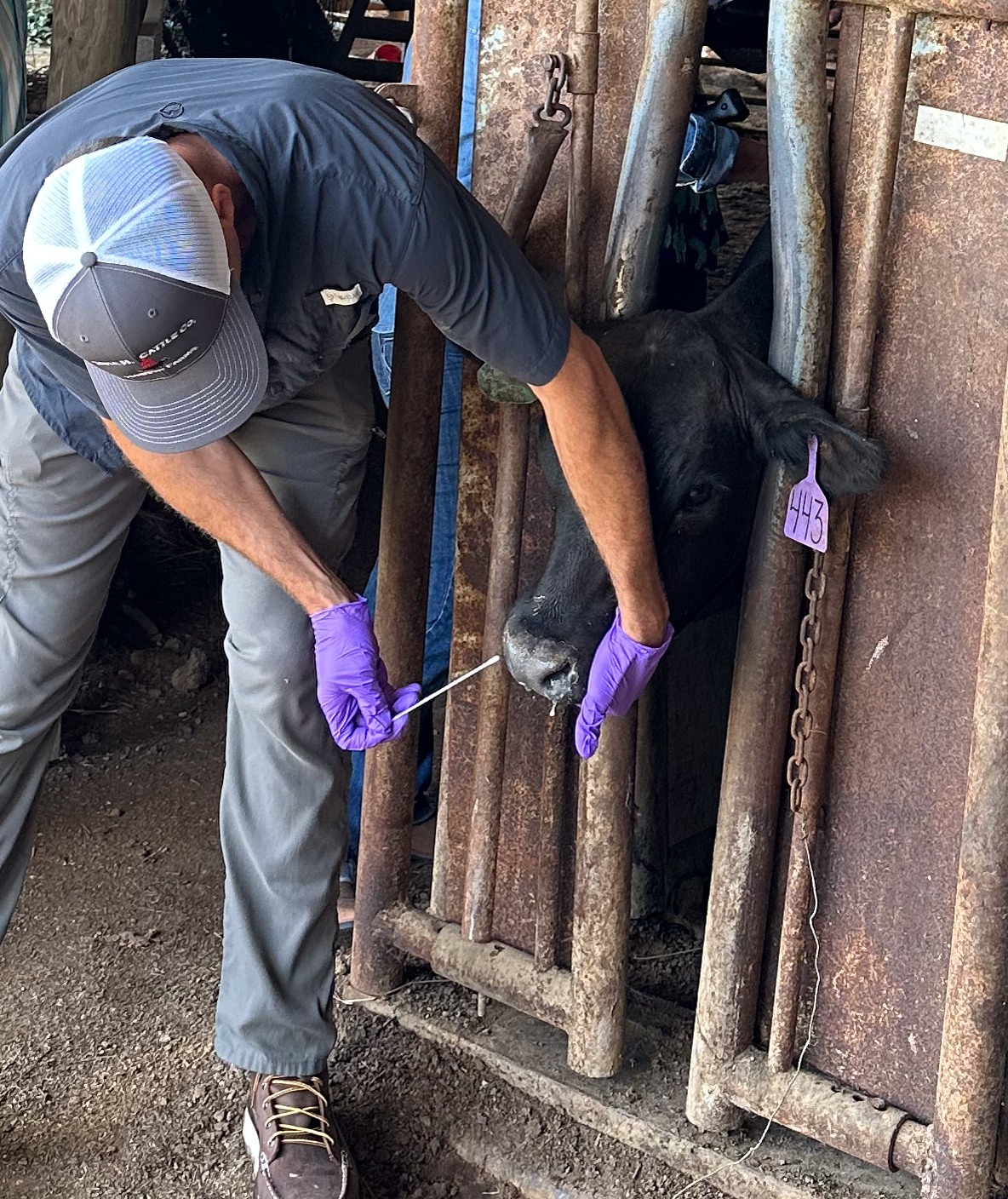
The study was conducted from February 2024 through May 2025 on 11 beef and dairy cattle farms in Indiana, Kentucky, Texas, and Nuevo Leon, Mexico. Using a One Health approach, the team collected samples not only from cattle, but also from farm workers, bioaerosols, and environmental sources such as water points and other farm surfaces. This kind of broad surveillance is important because viruses do not remain neatly confined to one space or one host.
What these researchers found was striking. They identified 26 distinct viruses in cattle, including well-known bovine respiratory pathogens such as influenza D, bovine coronavirus, bovine rhinitis viruses, bovine respirovirus 3, and bovine respiratory syncytial virus. They also detected 11 viruses not typically associated with cattle, highlighting just how complex viral circulation can be in agricultural settings.
 One of the most important findings was the widespread detection of influenza D virus, a virus increasingly recognized as part of the bovine respiratory disease complex. The manuscript reports both D/OK-like and D/660-like influenza D virus lineages in cattle, suggesting that multiple lineages are circulating at the same time. That matters because influenza D virus has drawn growing attention for its possible zoonotic potential, especially among people with close cattle exposure. The study notes prior evidence of influenza D exposure and infection in cattle workers, reinforcing why continued monitoring is so important.
Metagenomic testing detected influenza D virus, bovine coronavirus and bovine rhinitis b virus in environmental samples, showing that the farm environment itself may play a role in how respiratory viruses persist or spread. The study also identified a markedly divergent bovine rhinitis A virus, provisionally designated BRAV-4, underscoring that there is still much to learn about viral diversity in livestock systems.
Taken together, the findings highlight why One Health surveillance matters. By studying cattle, humans, and the environment together, researchers can better understand where pathogens are circulating, how they may be moving, and what that means for livestock health and zoonotic risk. As emerging infections continue to remind us how connected these systems are, this work offers an important example of proactive, cross-sector surveillance in action.