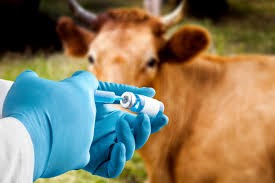
The recent epizootics of H5N1 highly pathogenic avian influenza virus (HPAIV) have caused infections of US poultry and dairy cattle and raised urgent concerns for both animal and human health [1,2]. Once considered primarily a poultry disease, H5N1 HPAIV has emerged as a virus with the ability to cross species barriers and infect and spread among new hosts. This evolving threat highlights the critical need for innovative prevention strategies. Vaccination of dairy cattle to prevent HPAI H5N1 infection and spread may represent a pivotal step in reducing transmission, protecting the food supply, and preventing future pandemics [3].
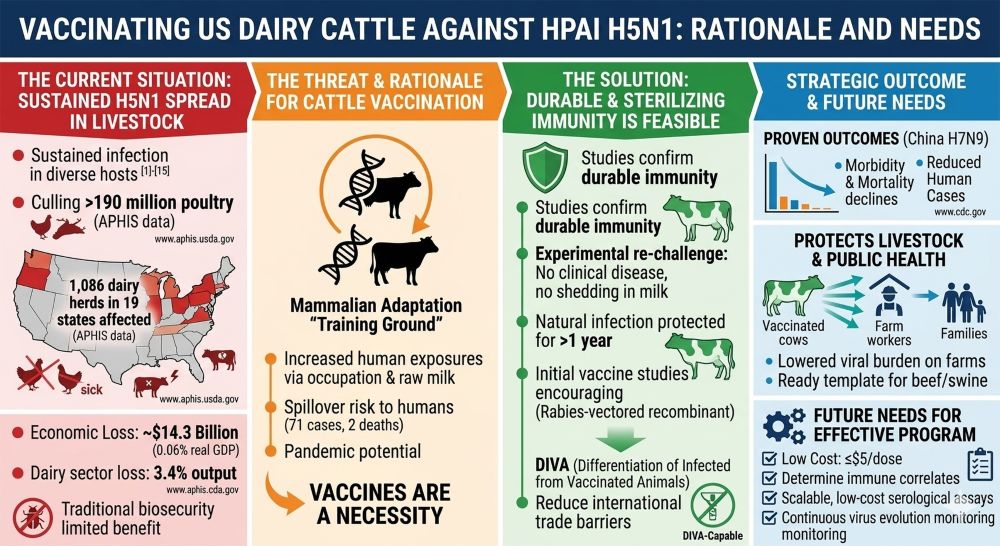
Fig. 1. The public health benefits and needs associated with the vaccination of dairy cattle against HPAI H5N1 to reduce the risk of virus infection and transmission to other susceptible species
The continued spread of H5N1 in the US is redefining how infectious disease threats are understood at the human–animal interface. The epizootics of H5N1 HPAIV occurred in US poultry (2022) and later spread to dairy cattle (2024) [3], highlighting a concerning shift in viral ecology and raising new questions for public health, agriculture, and research communities. At the University of Texas Medical Branch (UTMB), researchers are contributing to the understanding of emerging infectious diseases at this human–animal interface. The commentary written by UTMB’s Professor Gregory C. Gray and other scientists from the Ohio State University, Columbus, Ohio and the St. Jude Children’s Research Hospital, Memphis, Tennessee emphasizes the urgent need to develop and use avian influenza vaccines to prevent H5N1 infection among US dairy cattle. (Read the article)
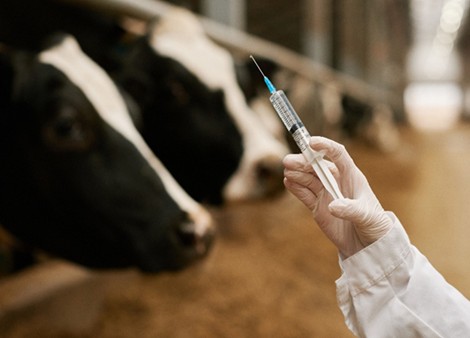
Fig. 2. The current commercial development of a H5N1 vaccine for cattle will be a critical needed source of vaccine for the prevention and spread of the virus among birds and cattle.
The scale of the HPAI H5N1 outbreaks in the poultry and cattle farms is significant. More than 190 million US poultry have been lost, and at least 1,086 dairy herds across 19 US states have been affected (www.aphis.usda.gov, accessed 12 February 2026), creating economic strain and disrupting food systems [4]. More importantly, the sustained circulation of the HPAIV H5N1 in mammals increases opportunities for viral adaptation and increases the possibility—of mutations that could enhance transmission to humans [5]. Researchers and public health experts emphasize that the public health threat of H5N1 provides the virus the potential to adapt in mammals at human–animal interfaces. Thus, farm workers, veterinarians, and associated industries face increased risks of H5N1 infection, reinforcing the need for a proactive One Health intervention approach to protect both animal and human health.
One promising strategy is vaccination of dairy cattle against HPAIV H5N1. Emerging research suggests that cattle can develop strong and lasting immunity to H5N1 infection, and early vaccine platforms have shown encouraging results [6]. Integrating vaccination into existing herd management systems could reduce viral spread, protect livestock, and lower the risk of spillover into human populations.
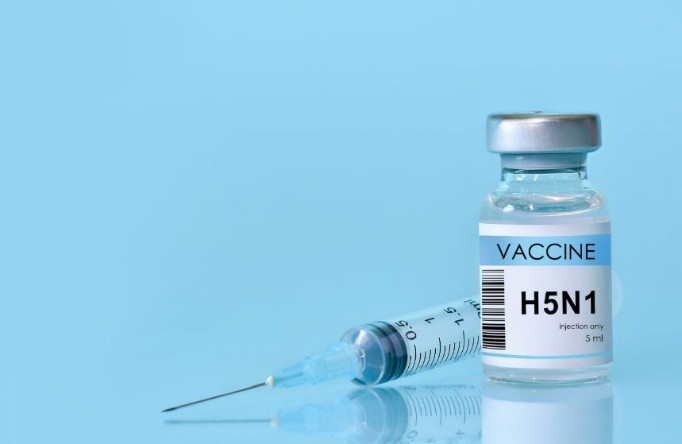
Fig. 3. A One-Health approach is critically needed to mitigate the growing threat of HPAIV H5N1 to public and animal health
From a One Health perspective, such interventions extend beyond the farm. Reducing infection in cattle may also decrease transmission to poultry and other species, ultimately helping to stabilize food production systems and safeguarding public health. However, successful implementation will depend on continued research, cost-effective vaccine development, and robust surveillance systems. The UTMB plays a vital role in advancing these efforts through interdisciplinary research collaboration on infectious diseases, global health, and biodefense. By bridging expertise across human medicine, veterinary science, and environmental health, the UTMB contributes to a broader understanding of emerging zoonotic threats, like HPAIV H5N1. As the situation evolves, one message is clear: addressing HPAIV H5N1 requires more than isolated solutions. It demands a unified One Health strategy that integrates science, policy, and practice. Strengthening these connections will be essential, not only for controlling the current outbreaks of H5N1 HPAIV, but also for preparing for future pandemics.
References
- Current situation: Bird flu in dairy cows. US Centers for Disease Control and Prevention. Accessed February 27, 2025. https://www.cdc.gov/bird-flu/situation-summary/mammals.html#:~:text=In%20recent%20years%2C%20HPAI%20H5N1,such%20as%20tigers%20and%20leopards
- Elanco enters agreement with Medgene to commercialize highly pathogenic avian influenza vaccine in dairy cattle. News release. Elanco Animal Health Incorporated. February 22, 2025. Accessed February 27, 2025. https://www.elanco.com/us/newsroom/press-releases/elanco-enters-agreement-with-medgene-to-commercialize-hpai-vaccine-in-dairy-cattle
- Nguyen TQ, Hutter CR, Markin A, et al. Emergence and interstate spread of highly pathogenic avian influenza A(H5N1) in dairy cattle in the United States. Science 2025; 388:eadq0900
- Pena-Mosca F, Frye EA, MacLachlan MJ, et al. The impact of highly pathogenic avian influenza H5N1 virus infection on dairy cows. Nat Commun 2025; 16:6520.
- Pekar JE, Crespo-Bellido A, Lemey P, et al. Can H5N1 avian influenza in dairy cattle be contained in the US? Cell 2026; 189:699–705
- Paran N, Wirblich C, Olal C, et al. Immunogenicity and safety of a rabies-based highly pathogenic influenza A virus H5 vaccine in cattle. NPJ Vaccines 2025; 10:197