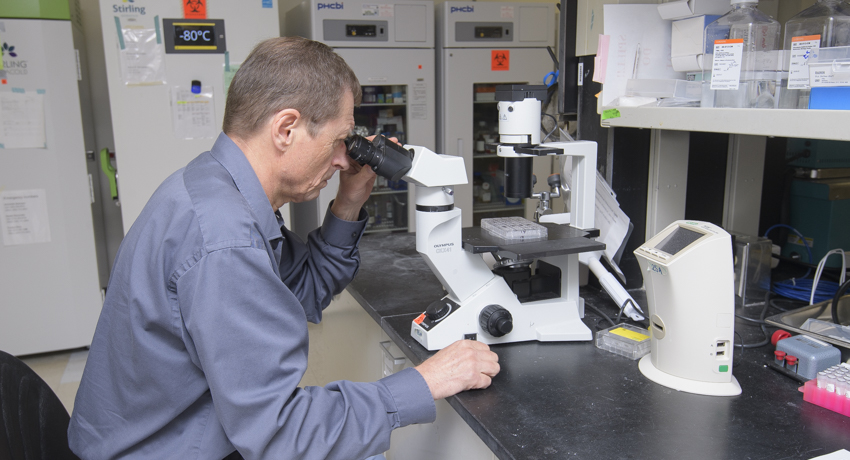
Bukreyev is leading the new UTMB Center for Nucleic Acid Technologies with a vision for turning scientific discoveries into treatments.
In this podcast, Neil Mehta, PhD, is interviewed about how the U.S. is keeping pace with other countries when it comes to memory and cognitive aging.
f05330dc69146b9ba0c5ff0a0070e114.jpg?sfvrsn=66475b53_1 "Shawn Nishi, MD, chief of the Division of Pulmonary, Critical Care and Sleep Medicine at UTMB, has spent more than two decades growing as a physician, educator and leader.")
Over 25 years, Shawn Nishi, MD, has grown from a UTMB medical student into a physician, educator, mentor, and division chief.
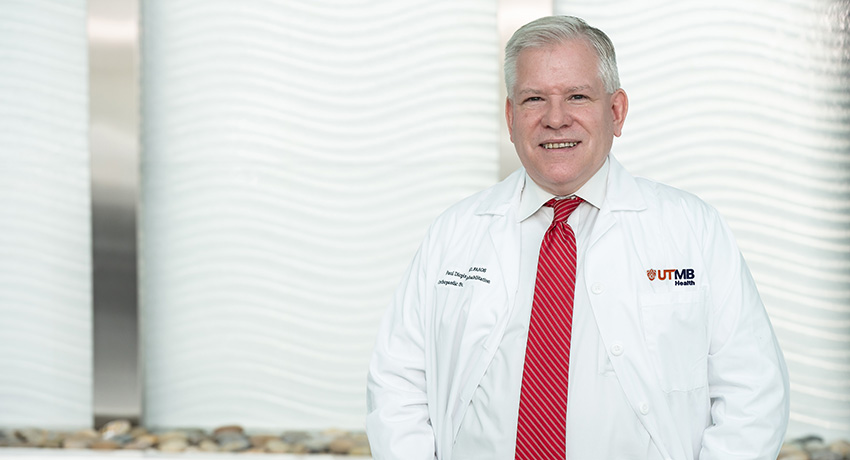
Joint replacement recovery has changed dramatically, with many patients now walking and recovering at home within hours of surgery. Discover how UTMB Health's innovative approach and accredited joint replacement program are improving the patient experience from preparation through recovery.
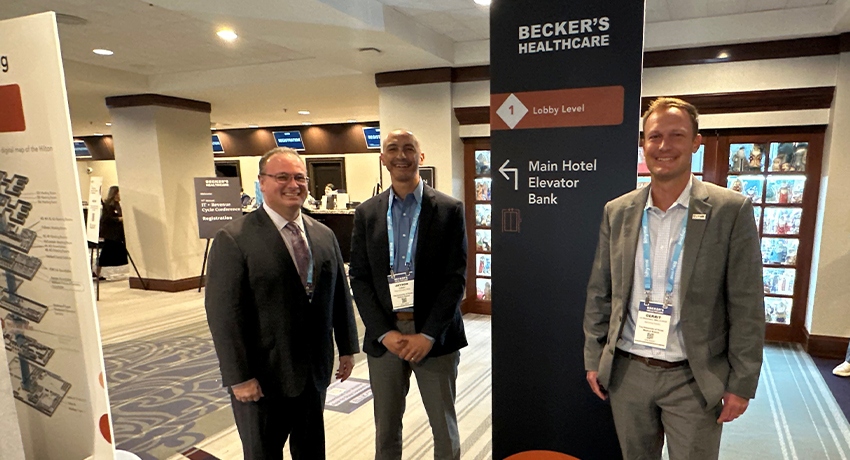
Together, the presentations highlighted three essential elements of healthcare innovation: strong governance, measurable value for patients and clinicians, and preservation of human trust and accountability.
Thomas Green, Ph.D., a professor in the UTMB Department of Pharmacology and Toxicology, and his colleagues propose that repeated drug use may disrupt the relationship between frustration and motivation in some people with substance use disorders. The frustration remains, but its ability to reduce motivation and stop drug-seeking behavior may weaken.
850x460.jpg?sfvrsn=a3035a53_1 "From left, patient navigator Kelli Knox and Drs. Erin Cooney and Joseph Ray work together to help patients navigate their care journey.")
For patients with rare genetic conditions, innovative treatments are only part of the equation. UTMB Health is building a coordinated model designed to make advanced therapies easier to access.
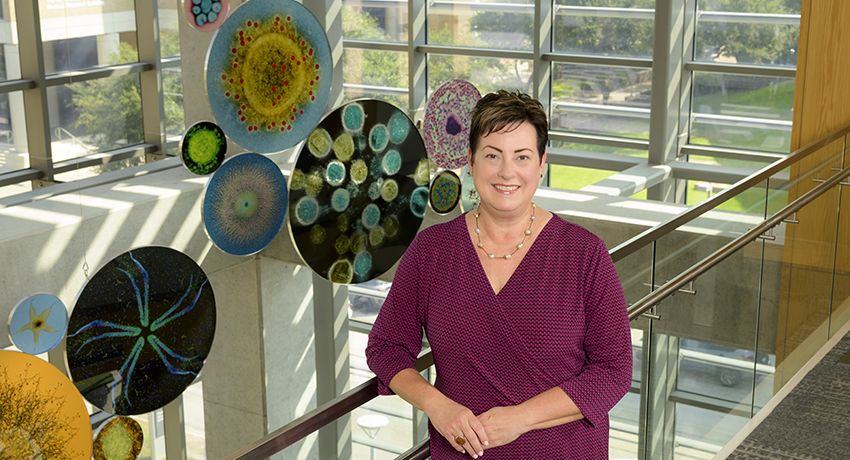
Kristen Starnes-Ott leads the UTMB School of Nursing during a transformative era in healthcare, focused on preparing the next generation of nurses and advancing innovative, future-focused nursing education.
The integration, which went live at UTMB in March, was developed to provide clinicians access to AI-enabled information resources within existing clinical workflows.
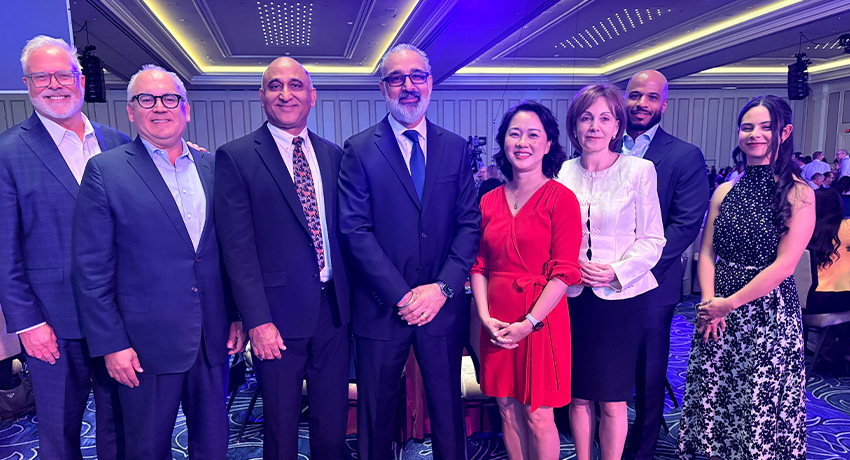
UTMB Health pediatric hospital services earned top performer recognition in Vizient’s 2026 Quality and Accountability Awards, marking the second consecutive year UTMB Health has received the honor and the only academic medical center in Texas to do so.
Craig Kovacevich, UTMB vice president of Community Strategic Initiatives, and Danica Primarelli, the project’s executive director, told Park Board trustees the initiative will focus on making healthy choices easier through changes involving people, places, and policy, with a community-wide kickoff planned for Feb. 20.

Medicare plans can change every year, even if your current coverage seems to be working well. Learn what to review during Annual Enrollment to help avoid unexpected costs and maintain access to your trusted UTMB Health providers.
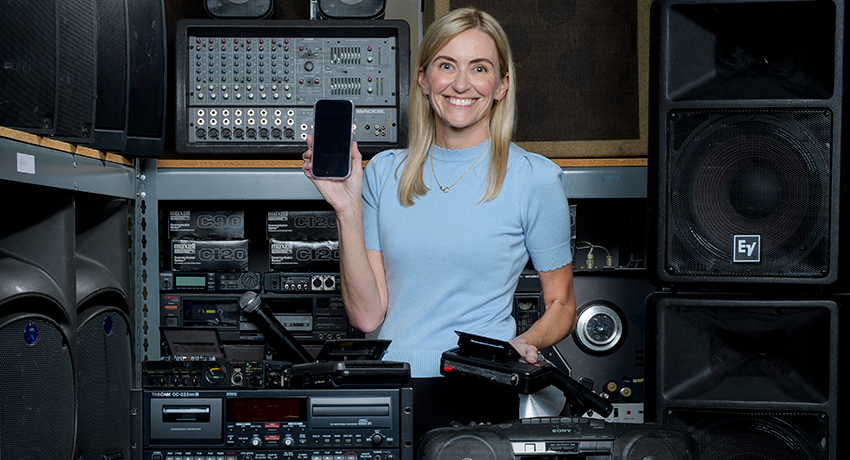
When important healthcare conversations are difficult to absorb in the moment, audio recordings can provide clarity, improve recall, and support better-informed decisions throughout a patient’s care journey.
Recent guidance from UTMB Health notes that aiming for around 25 to 30 grams of protein per meal can help support muscle protein synthesis, particularly in older adults, and that protein needs vary depending on age, activity level, and individual goals.
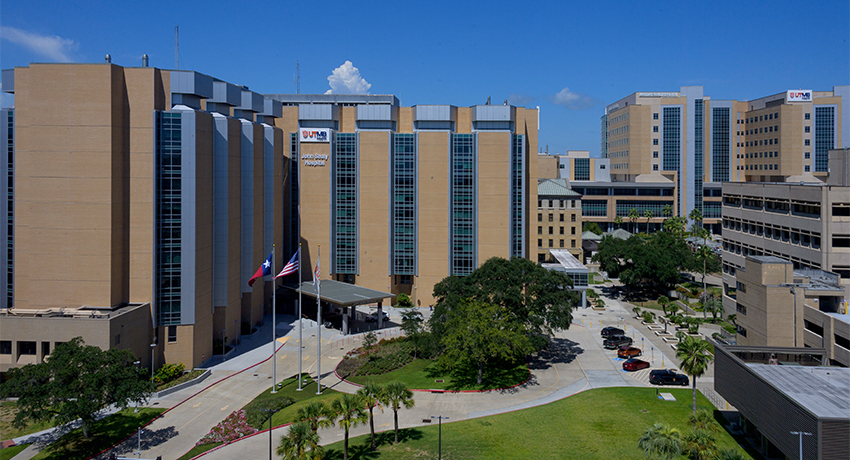
UTMB Health has been recognized by Forbes for the second consecutive year, based on employee feedback and workplace experience.
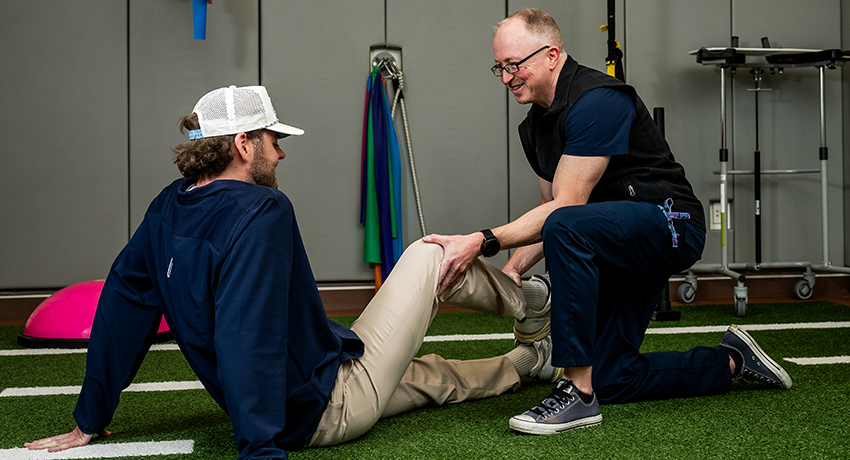
Getting active again this fall? Learn how to reduce your risk of strains, sprains, and overuse injuries with tips from a UTMB Health sports medicine specialist.
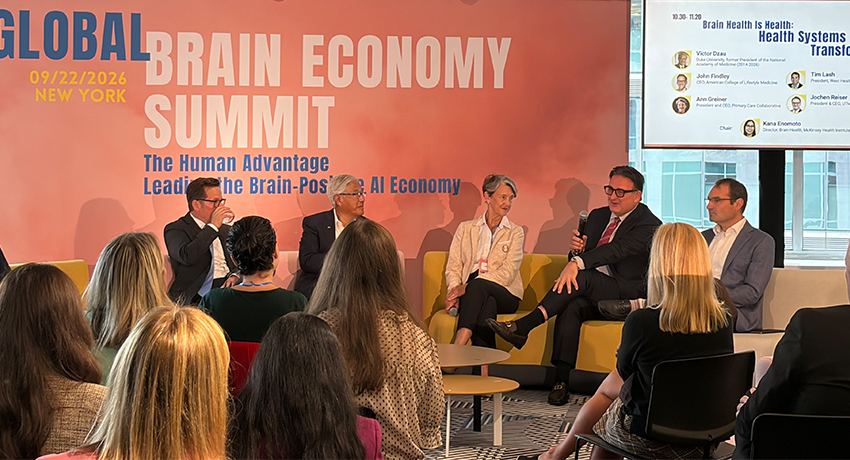
Speaking alongside national leaders in medicine, health policy, and philanthropy, Dr. Jochen Reiser outlined how health systems can play a transformative role in advancing "brain capital."
In the Journal of Brain Health, Jochen Reiser, MD, PhD, president of UTMB and CEO of the UTMB Health System; Harris Eyre, MD, PhD, a senior fellow at UTMB and a leading expert in brain health and the brain economy; and Mikele Epperly, PhD, MPH, vice president of Brain Health Transformation at UTMB, explore how principles of the emerging "brain economy" could reshape clinical care to better address the health challenges of the 21st century.
.jpg?sfvrsn=1e96a53_1 "Dr. Samreen and Dr. Stark sitting down for a podcast.")
As routines shift with the school year, podcast hosts Sarah Samreen, MD, and Andrea Stark, DO, join registered dietitian Chelsea Hoover to share practical meal planning tips, nutrition updates, and strategies for long-term metabolic health.

The “frustration brake failure” hypothesis suggests frustration may play an important role in substance use disorders alongside craving, impulsivity, and habit.