The virus responsible for herpes can potentially increasing the risk of dementia, reported Australia’s Herald Sun. Dr. Giulio Taglialatela spoke to the Herald Sun about a recent UTMB study on the topic and emphasized the need for more research.
“Being one of the first members of this program, it is rewarding to have all the hard work and accomplishments of our antimicrobial stewardship program recognized as a Center of Excellence,” said UTMB’s Scott Ferren, Antimicrobial Stewardship Program Pharmacy Leader. UTMB’s Antimicrobial Stewardship Program won national recognition for its work.
A new vaccine is being tested to treat lung cancer not involving infectious agents., write Drs. Norbert Herzog and David Niesel in their weekly Medical Discovery News column. The new vaccine teaches the immune system to recognize and attack lung cancer cells.
Dr. Susan McLellan spoke to the Dallas Morning News about the long-term health risks of measles. After a measles infection, McLellan said, the body is at risk for severe infections from bacteria and viruses such as streptococcus; Haemophilus influenza type b, which primarily affect children age five and younger; and adenoviruses, which typically cause respiratory illnesses like the common cold. This news was also shared by the Seattle Times.
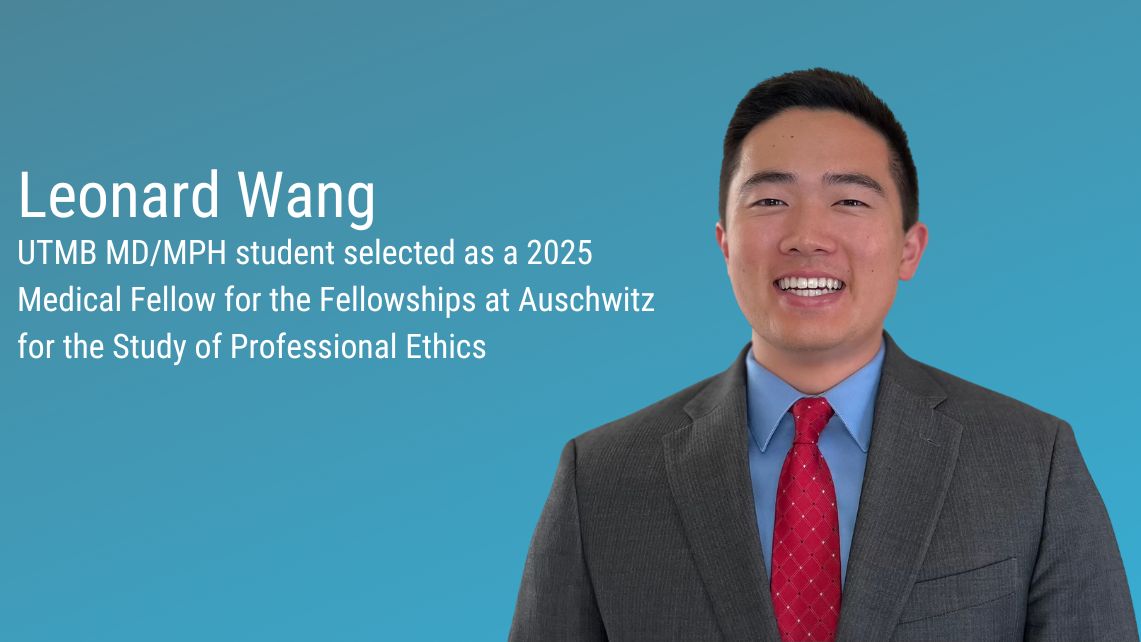
University of Texas Medical Branch MD/MPH student Leonard Wang has been selected as a 2025 Medical Fellow for the Fellowships at Auschwitz for the Study of Professional Ethics, joining a distinguished cohort of medical, clergy, and journalism professionals for an intensive summer program in Germany and Poland.
Dr. Alfredo Torres spoke to Parade about keeping shower curtains free of mold and other microorganisms and when to change the shower curtain out. "When the plastic liner is pink and moldy, it is time to replace it," he says.
“It is very understandable that people want to grasp onto a hopeful remedy,” Dr. Susan McLellan tells NBC News for this story on misinformation about how to prevent and treat measles. “It is unfortunate when trusted providers of advice, such as those in higher levels of our government, are not very clearly stating what is upheld by scientific evidence and what is not.”
UTMB was among 168 health systems and medical centers named to Optum’s Centers of Excellence network. UTMB was chosen as an ‘excellent’ option for kidney transplants.
“While lavender is typically touted for its scent and used in soaps, candles, lotions and diffusers, it actually has some wonderful health benefits as well,” writes Dr. Samuel Mathis in his latest column. From helping reduce stress and anxiety to sleep benefits and even pain reduction, lavender has numerous uses, Mathis writes.
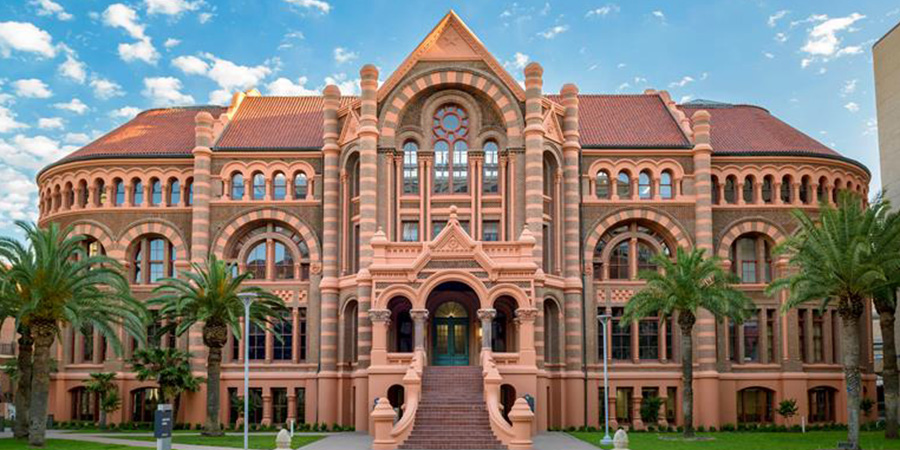
Four University of Texas Medical Branch graduate programs have earned “Best Graduate School” honors from U.S. News & World Report.
Scientists are close to bioengineering mirror-image bacterium, write Drs. Norbert Herzog and David Niesel in their weekly Medical Discovery News column. These are bacteria that are not seen in nature and raise many questions about how they would act and react to the world around them.
The acidity of lemon juice can stimulate digestive enzymes, which can aid in digestion and nutrient absorption, indirectly supporting liver function, says UTMB’s Dr. Samuel Mathis in this report on liver health.
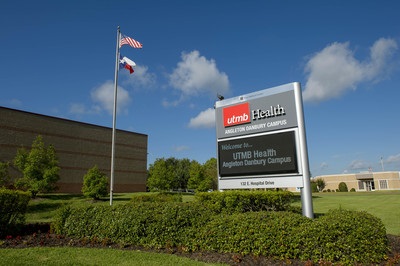
Patients at the University of Texas Medical Branch’s Angleton Danbury Campus Hospital can now find efficient, cost-effective and leading-edge minimally invasive care close to home thanks to the introduction of Vascular and Interventional Radiology at ADC.
UTMB’s School of Nursing was listed among the 47 best nursing master’s programs in the U.S. by Money, a personal finance website. Programs were ranked on quality, affordability and value, writes Becker’s.
The UTMB One Health Laboratory is working on an ongoing epidemiological study of respiratory viruses on livestock farms across the United States and Mexico, reports Farms.com. The UTMB One Health team is trusted by ranchers and farms and is able to work with them “to provide real-time surveillance of pathogens circulating among livestock and farm workers,” the article states.
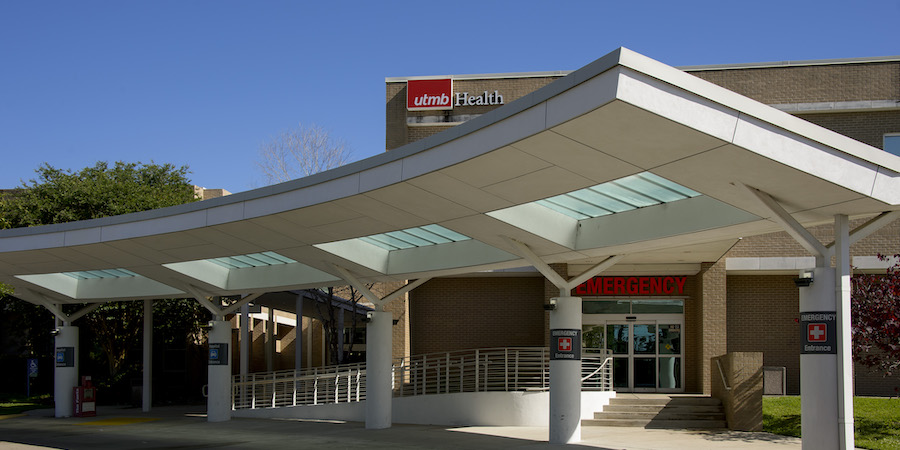
The re-designation became official on March 10 and will be valid for three years.
Even with vaccines, “we may not be able to put out this fire,” UTMB’s Dr. Gregory Gray tells Ars Technica for this in-depth article on H5N1. Gray says the virus is likely to “be endemic, or we say ‘enzootic,’ for a long time.”
With declining vaccination rates in some communities, public health experts worry that rubella could resurface, write Drs. Megan Berman and Richard Rupp in their Vaccine Smarts column. While rubella has been eliminated in the U.S., it could easily be reintroduced.
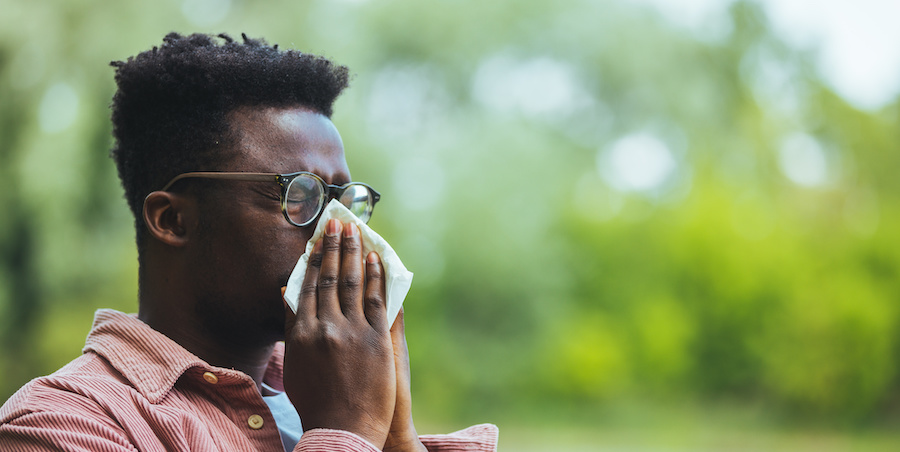
The blooming season in Houston is long, so those with multiple allergies can suffer all year with drainage, congestion, sinus infections, and sore throats. UTMB allergist Dr. Jennifer McCracken offers tips and guidance on how to cope.
In the U.S. there are close to 3 million infections by bacterial antimicrobial resistance resulting in almost 50,000 annual deaths, write Drs. Norbert Herzog and David Niesel in their weekly Medical Discovery News column. The problem is that microbes are increasingly becoming resistant to current antibiotics and if things don’t change, AR microbial infections will become harder to treat.