There is now abundant scientific evidence that hair straighteners and other hair products marketed to Black women and girls contain endocrine-disrupting substances that can lead to early onset of menstruation and the development of many issues later in life, write Drs. Norbert Herzog and David Niesel in their weekly Medical Discovery News column.
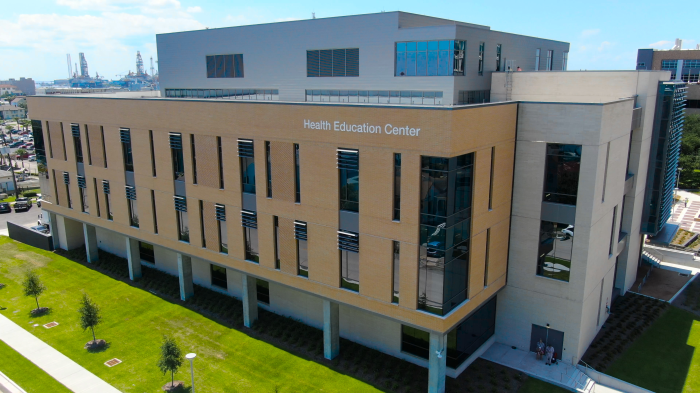
The Health Education Center at the University of Texas Medical Branch has been awarded full accreditation from the Society for Simulation in Healthcare. Widely recognized as the gold standard in health care simulation, the accreditation acknowledges UTMB's exceptional performance in this vital aspect of healthcare education and training.
The University of Texas Medical Branch is among 50 institutions recognized by the U.S. Department of State as a 2024 Fulbright Hispanic-Serving Institution Leader.

The University of Texas Medical Branch has received a transformative $25 million gift from the Moody Foundation and its affiliated organization, the Moody Medical Research Institute, which will significantly advance the work of its Brain Health Institute. In recognition of this generous contribution, the Institute will be renamed the Moody Brain Health Institute at UTMB.
UTMB received a transformative $25 million gift from the Moody Foundation and its affiliated organization, the Moody Medical Research Institute, which will significantly advance the work of its Brain Health Institute. In recognition of this generous contribution, the Institute will be renamed the Moody Brain Health Institute at UTMB.
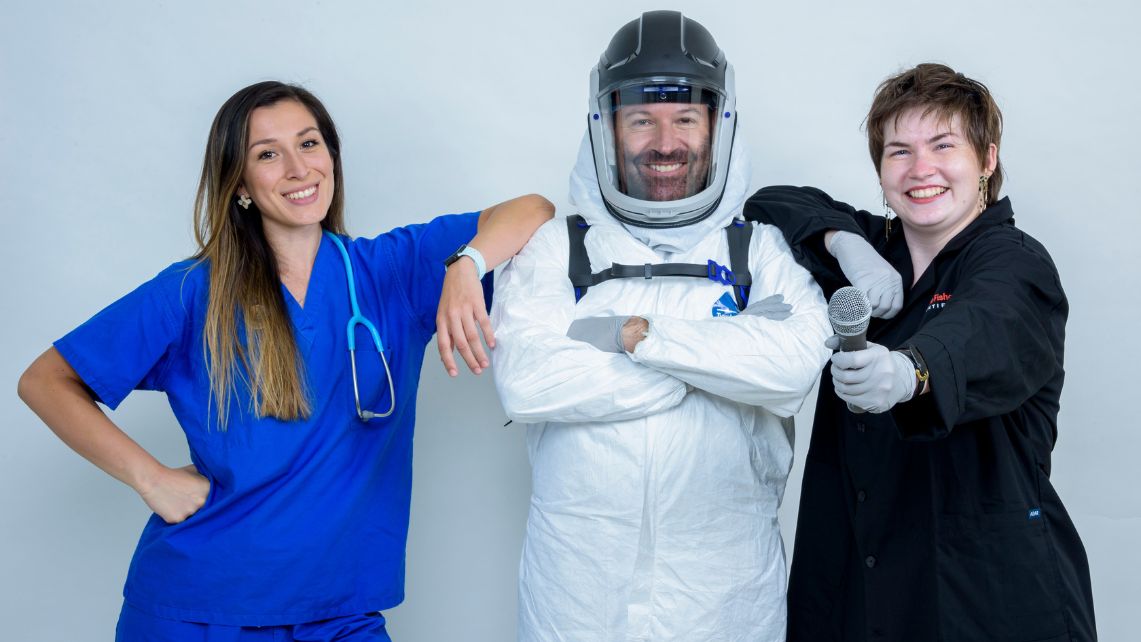
The Infectious Science Podcast debut its second season with new student writers and co-hosts and a continued passion for exploring the links between the health of animals, humans and the environment.

The University of Texas Medical Branch received a “Most Wired Award” for 2024 from the College of Healthcare Information Management Executives, a professional organization focused on health care information technology.
A world-renowned neuroscience hub focused on rapidly transitioning groundbreaking discoveries in biomedical neuroscience to clinical applications, the Institute awarded four grants this year.
The possibility that one human could infect another with bird flu would be “pretty huge,” Dr. Gregory Gray tells the New York Times. “Some limited human-to human transmission is in the pathway to full-on high human-to-human transmission, and so it is concerning,” he said.
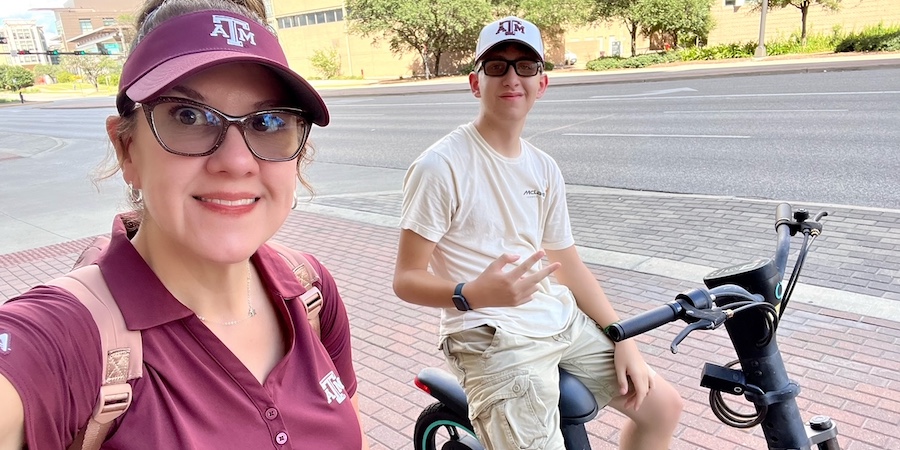
A yo-yo dieter for many years, Felicity Cunningham shares her journey as a bariatric patient. “My main message to everyone is that surgery is a wonderful tool, but you still must make the choices and the commitment. And you’ll get all the help you need at UTMB.”
UTMB receives Healthgrades Specialty Excellence Awards, placing the hospital among the nation’s top 10% for pulmonary care, gastrointestinal surgery and critical care.
New research has found a microbial species that could help break down the large plastic garbage patches floating in the Pacific Ocean, write Drs. Norbert Herzog and David Niesel in their weekly Medical Discovery News column. “The researchers are going to try to optimize the fungus to eat as much plastic as possible,” they write.
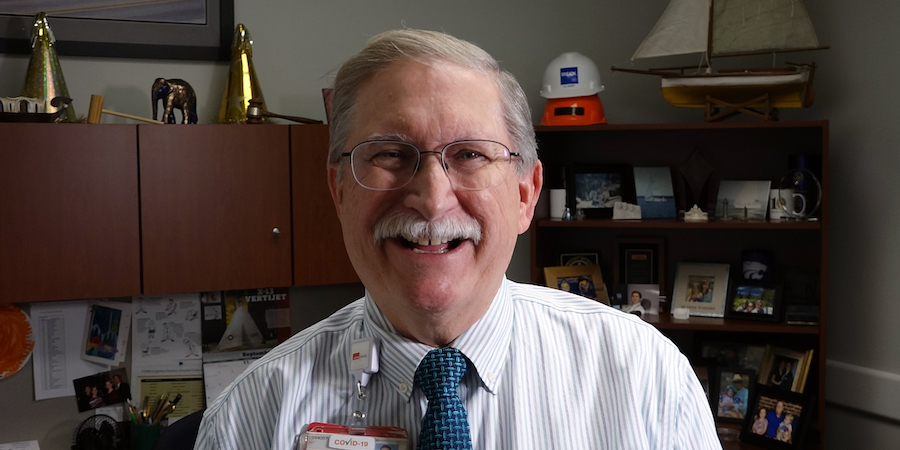
Bill Garwood, a male breast cancer survivor, and his surgical oncologist Dr. Colleen Silva share insights on the disease that impacts approximately one in 1,000 men.
Patients who had cataract surgery had a significantly lower risk of multiple types of traumatic injuries. Those were part of the findings UTMB medical student Caitlin Hackl presented at the recent American Academy of Ophthalmology annual meeting. "Cataract surgery may be a way to control a modifiable risk factor for these injuries," Hackl said. This news also reported in HealthDay, U.S. News & World Report and Medical Xpress.

For more than 15 years, Lizzie Hernandez has helped cancer patients access the care they need.
“Clinical familial associations — when transmission appears to be vertical, from parent to offspring — suggest that there is much yet to learn about genetic bases for autoimmunity and how certain mutations could favor selection for specific immune disorders,” Dr. Elena Shanina tells Medscape after she and colleagues presented two case reports at the American Association of Neuromuscular & Electrodiagnostic Medicine (AANEM) 2024 conference.
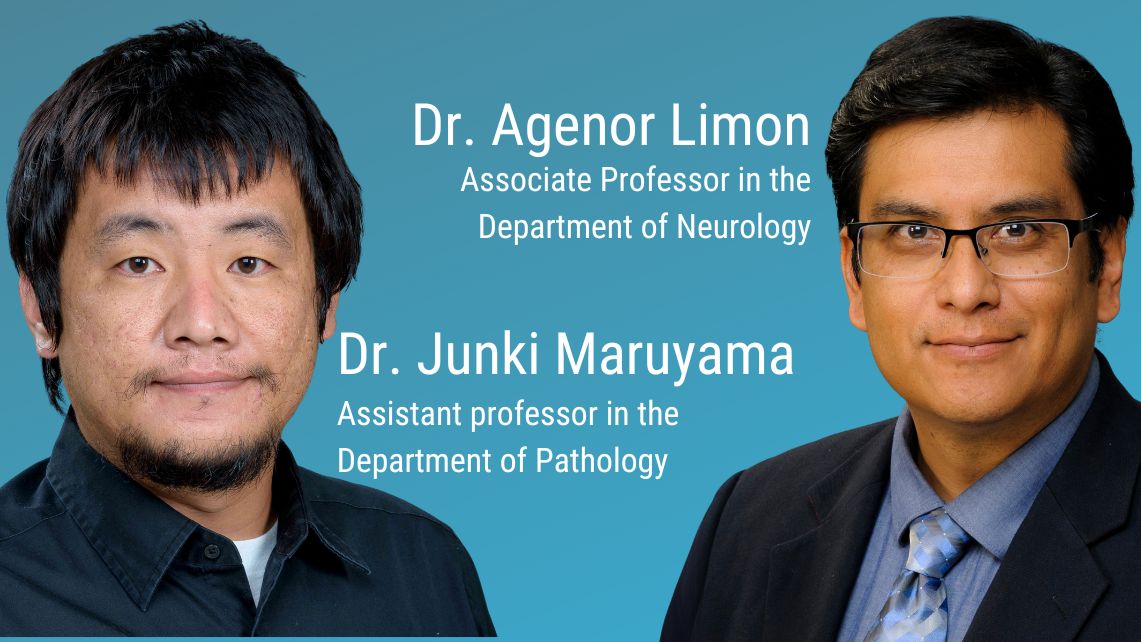
The Gulf Coast Consortia recently named two University of Texas Medical Branch researchers recipients of the John S. Dunn Foundation Collaborative Research Award which supports research in the quantitative biomedical sciences with research seed grants.

To better serve women in the community, particularly uninsured and underinsured women, UTMB Health launched the Mobile Mammography program in 1999 and has been providing easier access to breast cancer screenings for women who need them.
One of the most fascinating and promising topics in medicine and research today is the gut microbiome, writes Dr. Hasan Yasin in his column in the Daily News. Scientists have now even found a microbiome inside the human brain, he writes.
“This is great news,” Dr. Thomas Geisbert tells Science about a recently announced clinical trial for treatments of Marburg virus disease launched in Rwanda. “Hopefully, lives can be saved as a result of this trial.