.jpg?sfvrsn=408eec56_1 "Susman(1)")
Dr. Jeff Susman, senior associate dean and professor of family medicine at the University of Texas Medical Branch, is one of seven recipients selected by the National Board of Medical Examiners for the 2024 Edithe J. Levit Distinguished Service Award.
.jpeg?sfvrsn=816b1756_1 "Designer (1)")
Researchers at the University of Texas Medical Branch recently discovered a significant advancement in the fight against neurodegenerative diseases such as Alzheimer’s disease and dementia. The study, published today in Science Translational Medicine, introduces an innovative nasal spray treatment that has shown promising results in clearing harmful tau protein build-up and improving cognitive functions in aged mice models with neurodegenerative diseases.
A team of UTMB scientists has achieved a breakthrough in Alzheimer’s research by developing a nasal spray designed to treat the disease and other forms of dementia, reports The Daily News. “This nasal spray approach opens new avenues for non-invasive delivery of tau therapeutic antibodies directly to the brain, and it holds promise for many neurodegenerative diseases,” said UTMB’s Dr. Rakez Kayed.
UTMB students nominated Dr. Jennifer Raley for the Joyce Jeardeau Memorial Award in recognition of her “planning, detailed organization, passion, and vision for the FMIG.” Raley will accept the award at the National Conference of Family Medicine Residents and Medical Students in August at the same time the UTMB Family Medicine Interest Group wins a Program of Excellence Award for the sixth year in a row.
“From a health perspective, a flotilla of bubbles acts as a natural stress reliever, bringing delight, distraction and even abstraction into our lives,” writes Dr. Victor S. Sierpina in his Daily News column. If life is getting stressful, Sierpina writes, maybe you need a bubble break.
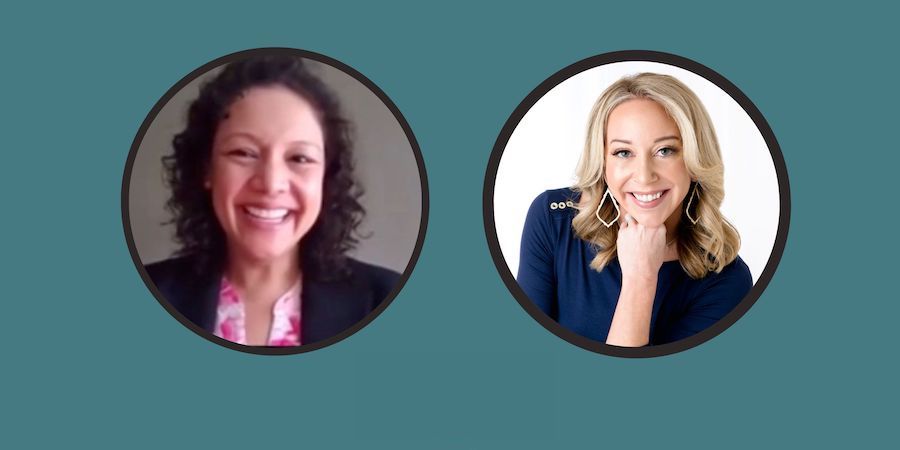
From firework burns to jellyfish stings, Dr. Urvashi Barua-Nath, medical director with the Pediatric Emergency Medicine Department at the UTMB Health Clear Lake Campus shared how to respond in these situations during a recent interview with Houston Moms.
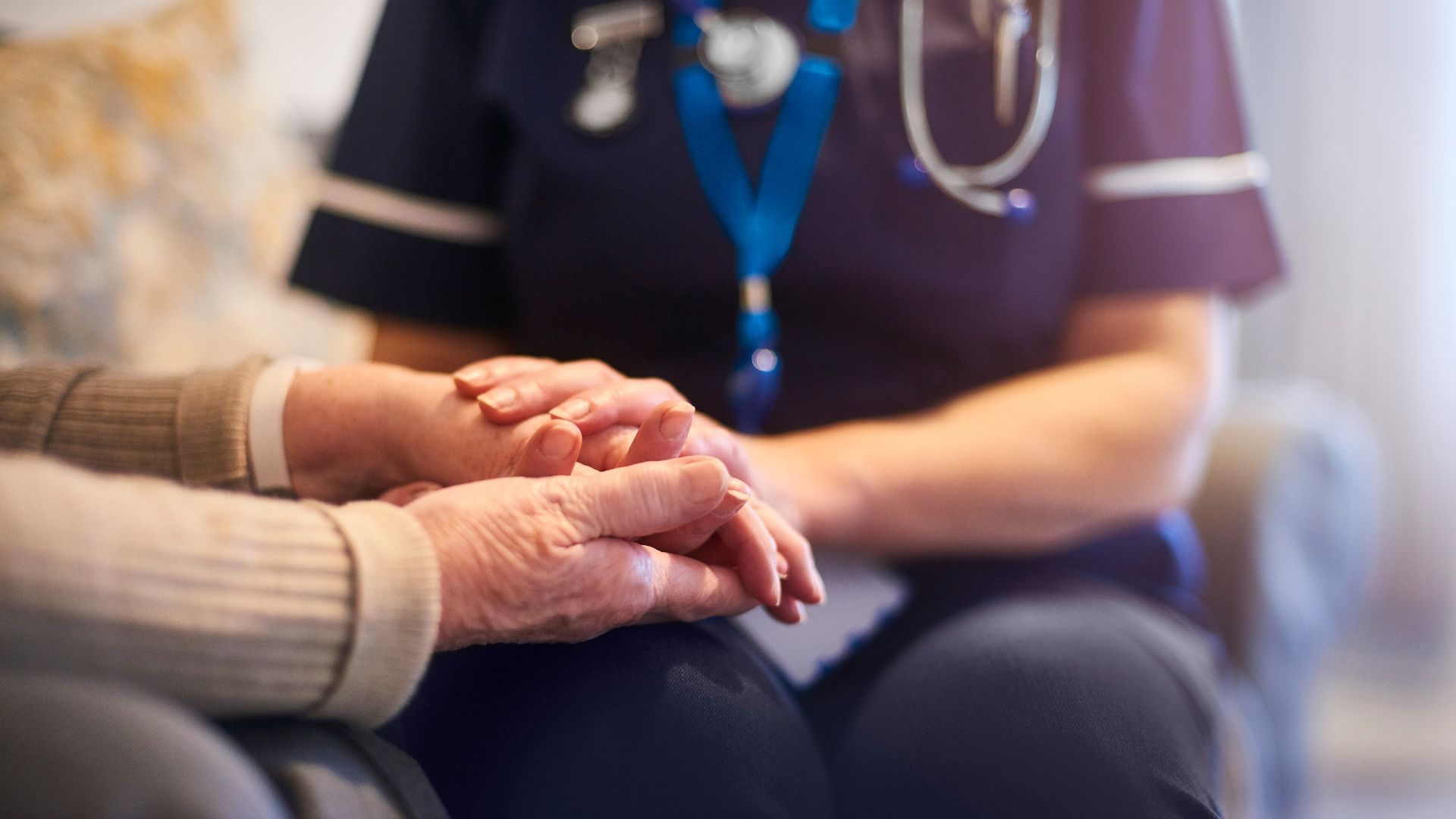
University of Texas Medical Branch residents Dr. Jenna Reisler, Dr. Elena Diller and Dr. Alokika Patel, working with their faculty sponsor, Dr. Lindsay Sonstein, have been awarded a $15,000 Back to Bedside grant to fund structured medical home visits in the community.
Bioprinting technology has made it possible to “print” a brain, write Drs. Norbert Herzog and David Niesel in their Medical Discovery News column. While promising, there are limitations to the printed brain tissues but it will be an exciting area to watch, Herzog and Niesel write.
UTMB’s Dr. Jeff Susman was named a 2024 Distinguished Service Award recipient by the National Board of Medical Examiners.
In 2024, the Blocker Burn Unit was officially certified to offer an American Burn Association Verified Burn Fellowship Program.
The Blocker Burn Unit has been an American Burn Association-verified burn center since 1999. Verified Burn Centers have met the highest standards of care for the burn-injured patient. The verification process incorporates principles of quality assurance and continuous improvement.
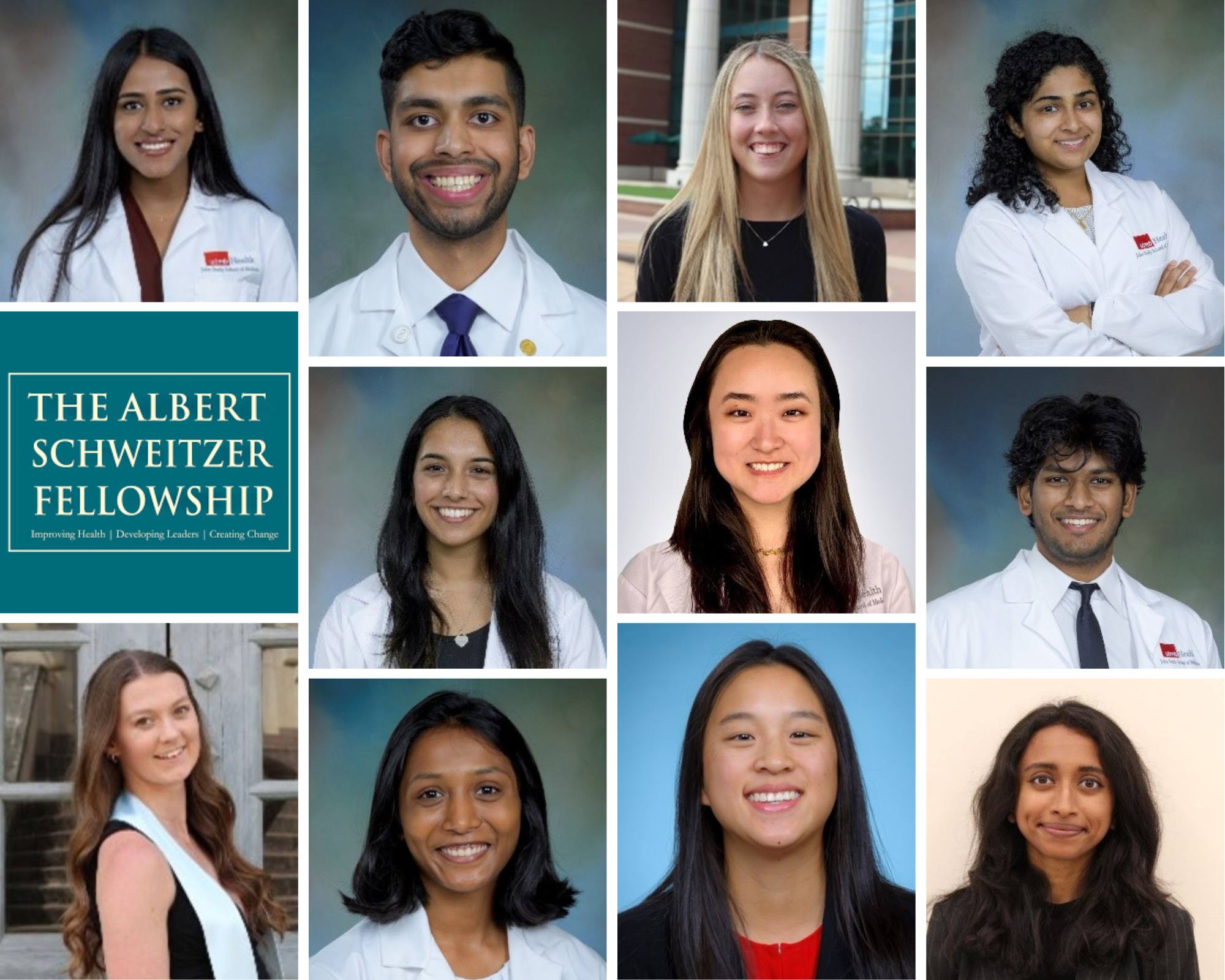
Eleven University of Texas Medical Branch students were accepted to the Albert Schweitzer Fellowship Houston Galveston for the 2024-2025 academic year.
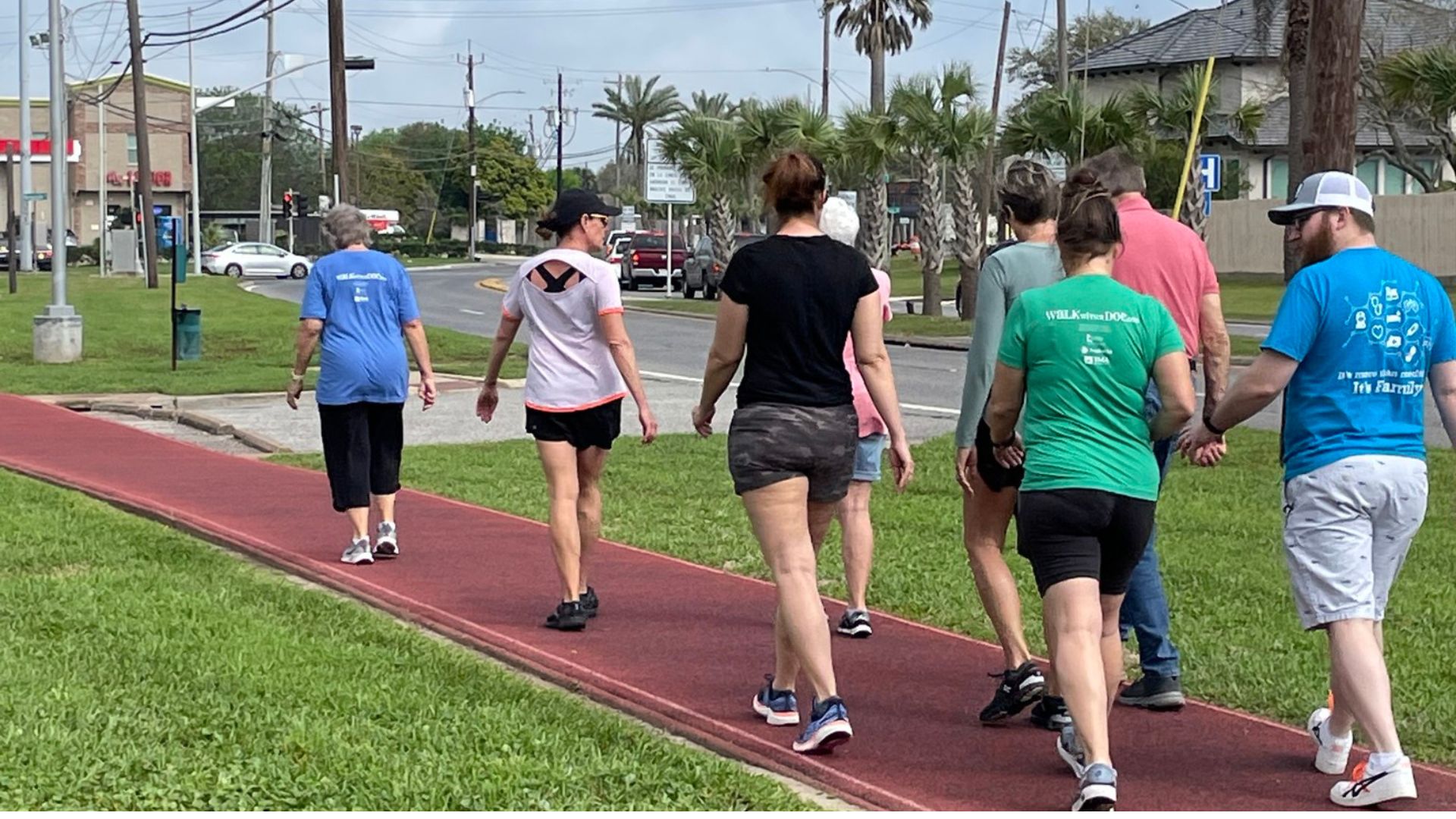
With potential to improve cardiovascular and pulmonary fitness and reduce risk of heart disease and stroke, walking has an abundance of health benefits – especially when it comes with a physician-led conversation about wellness. That’s the philosophy behind “Walk with a Doc."
.jpg?sfvrsn=9181c56_1 "Bailey(1)")
The University of Texas Medical Branch has been named a recipient of the 2024 MAP Award for High Performance in Revenue Cycle, sponsored by the Healthcare Financial Management Association.

Once the novelty wears off and the boredom sets in, screentime habits can quickly become an issue for school-age children during breaks from the classroom. The American Academy of Pediatrics provides an interactive tool to help parents create a family media plan.
Ashwagandha is a common supplement Dr. Samuel Mathis says he recommends to patients. “This plant is rich in anti-inflammatory properties, alkaloids, and a type of molecule known as withanolides, a steroid-like compound that is believed to be the primary agent responsible for ashwagandha’s effect,” Mathis writes in his Daily News column.
The Olympics are set to start later this summer in Paris just as Europe is suffering from yet another outbreak of a vaccine-preventable disease, write Drs. Richard Rupp and Megan Berman in their latest Vaccine Smarts column.
Dr. Praveeena K. Gupta designed and manufactured the Ring-IT, a tactile 3-dimensional bottle ring adaptor that improvs the identification and dosing frequency of eye drops for low-vision patients, at the Maker Health Space Medical Fabrication Laboratory at UTMB. The Ophthalmology Times reported that Gupta and her colleagues believe that their study “holds breakthrough potential to catalyze a shift in clinical practice, providing a practical tool to enhance topical eye drop adherence in patients with visual impairment.”
UTMB medical student Johnny Dang wrote about being the child of Vietnamese immigrant parents pursuing the dream of studying medicine for in-Training, an online peer-reviewed publication for medical students. “I arrived at medicine on my own accord, but now that I am here, there is still a pressure to see this American dream fairy tale through,” Dang writes. “From my parents’ perspective, all those days showing up to work while ill, the vacation time never taken, and the years having never been back to Vietnam even once have to amount to something, right?”
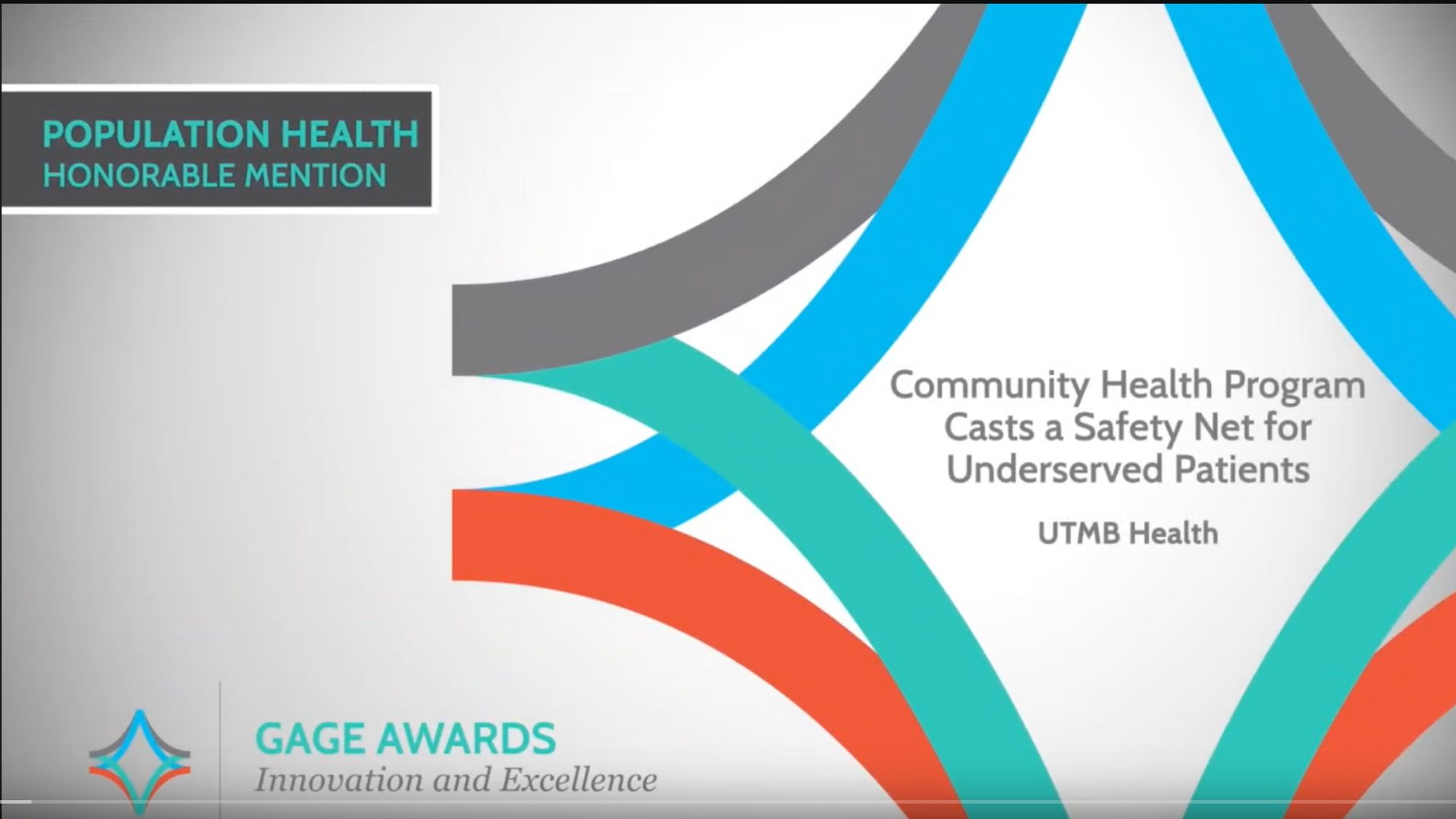
The Community Health Program at the University of Texas Medical Branch has been recognized by America’s Essential Hospitals, a national trade association, for its work in redirecting high-risk, unfunded patients from overcrowded emergency rooms to a more appropriate care setting within the community.