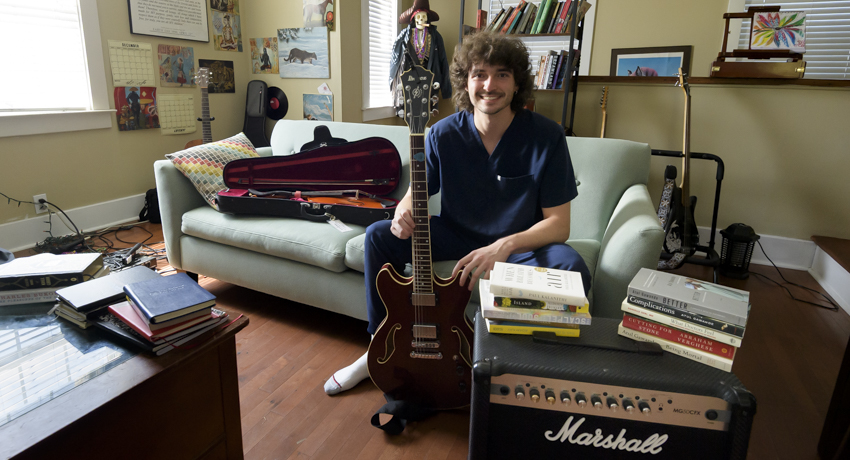
Aidan Carroll once measured his worth by grades and achievement. After academic struggles, legal trouble, and personal challenges, the UTMB medical student found a deeper sense of purpose and discovered the kind of physician he wants to become.
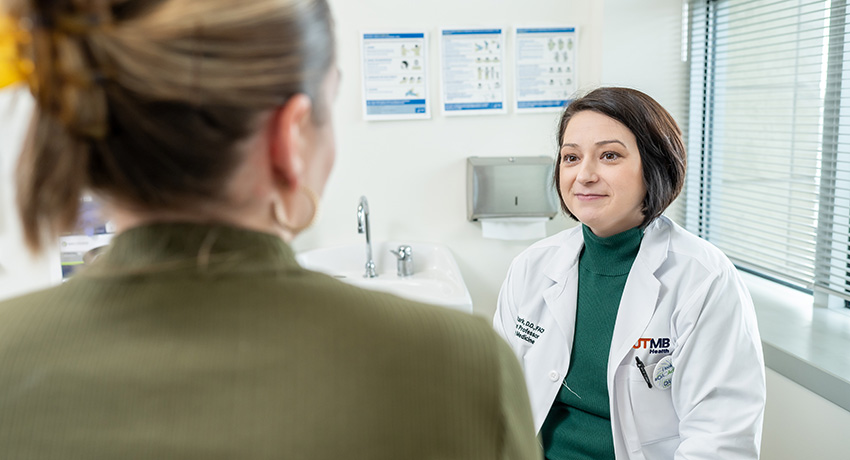
By bridging the gap between specialized clinical care, integrated pharmacy support and expanded coverage, the Medicare GLP-1 Bridge Program is changing how obesity treatment is delivered. Learn how UTMB helps streamline the process so patients can focus on their health rather than paperwork.
Dr. Kan is an endovascular neurosurgeon serving as Professor and Robert L. Moody Sr. Chair of the Department of Neurosurgery at the University of Texas Medical Branch in Galveston, Texas.
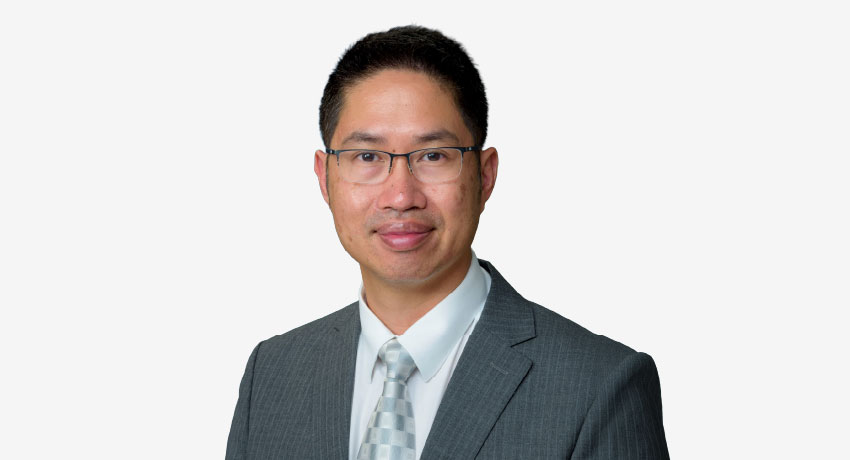
The Society of NeuroInterventional Surgery brings together specialists in interventional neuroradiology, endovascular neurosurgery, and interventional neurology to advance research, education, advocacy, and standards of care that improve the diagnosis and treatment of diseases affecting the brain, spine, head, and neck.
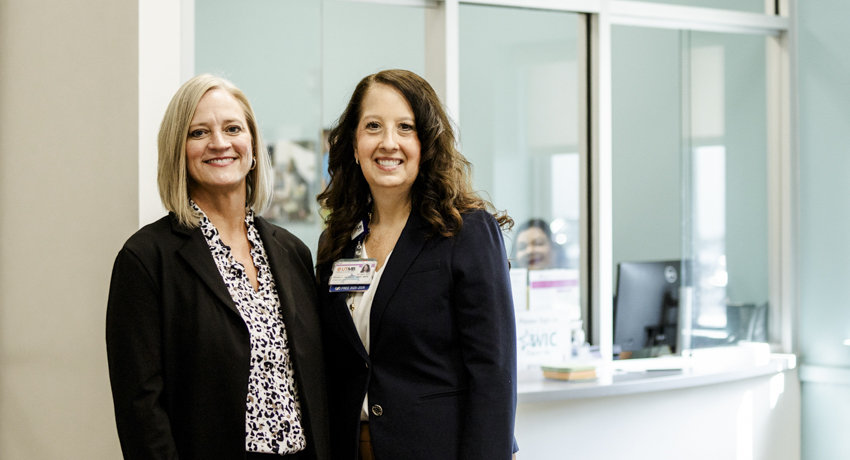
UTMB Health secured a record $10.3 million in USDA funding for its WIC program, nearly $1 million more than last year. The funding will expand nutrition education, breastfeeding support, and healthy food resources across Southeast Texas.
UTMB Director of Marketing Gerrit von Wenckstern weighs in on why he believes one of the most significant pitfalls in health IT today is the tendency to view AI as an overarching strategy instead of a supportive tool.
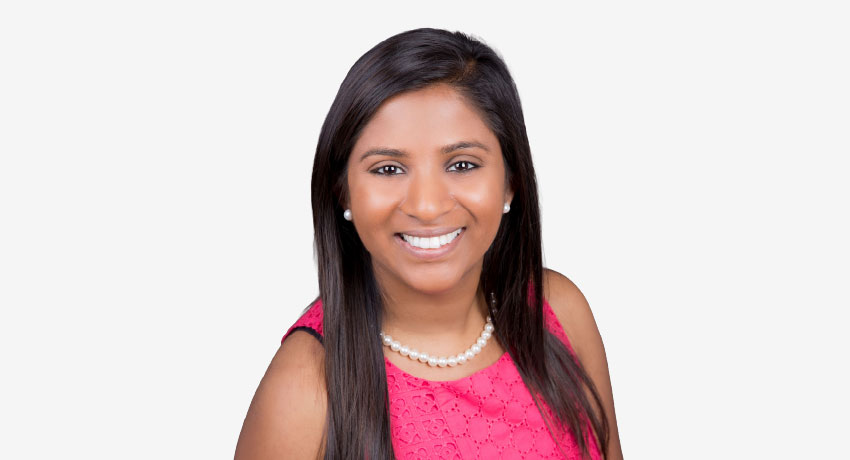
Sheba Luke, DNP, chair of Graduate Studies at The University of Texas Medical Branch (UTMB) School of Nursing, has been named one of the Houston Business Journal’s 2026 Women Who Mean Business honorees.
Dr. Dietrich Jehle, chair of emergency medicine at The University of Texas Medical Branch, shares insights on emerging research linking Cialis to lower dementia risk and longer life.

Balanced breakfasts, lunches, and after-school snacks can help children stay focused, energized, and ready to learn. Get practical school-day nutrition tips from UTMB Health.

You don’t need the perfect word — or a crisis — to start the conversation about stress, anxiety, or depression with your primary care provider.
Dr. Thomas Blackwell, a professor of medicine at UTMB, tells ABC News in a segment on Good Morning America, "We ultimately hope that our research will show that we slow biologic aging by 10 to 15%."
.jpg?sfvrsn=1e96a53_1 "Dr. Samreen and Dr. Stark sitting down for a podcast.")
Following positive feedback from patients and viewers, Sarah Samreen, MD, and Andrea Stark, DO, returned for another discussion about obesity care, long-term follow-up after bariatric surgery, and the rapidly evolving treatment landscape.

Help kids ride safely this school year with bike, scooter and helmet safety tips from UTMB Health, including helmet fit, visibility, riding rules and when to seek care after a fall.
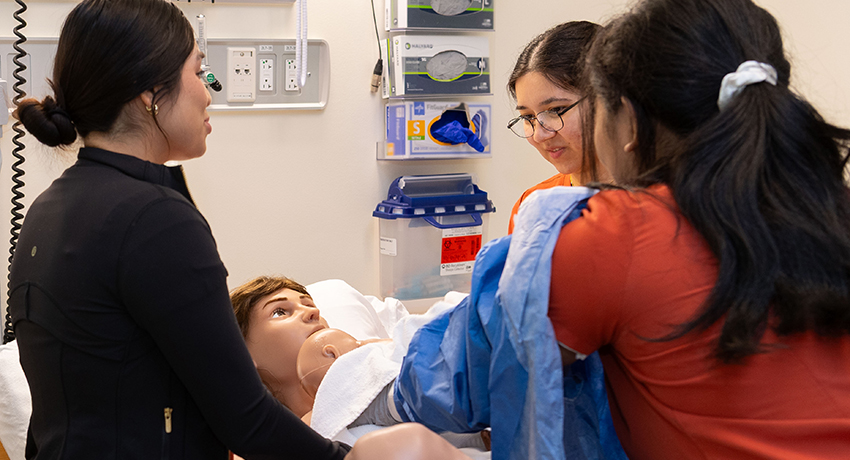
The UTMB School of Nursing recently launched the Birth Advocacy: Bridging Instruction, Education & Support (BABIES) program, which aims to ensure nurses are equipped to better care for and support patients from pregnancy through postpartum.
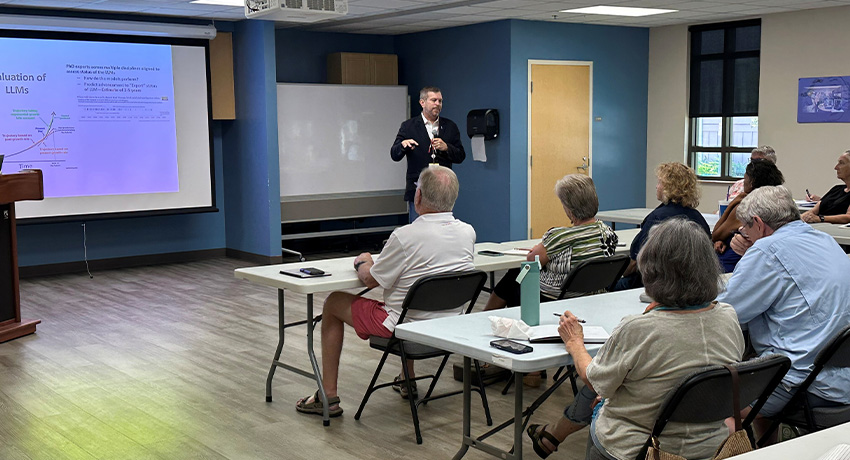
“Smart Tools and AI: Technology to Simplify Your Life,” an OLLI course designed for adults ages 50 and older, explores how artificial intelligence can be used in everyday life while helping participants better understand its benefits.
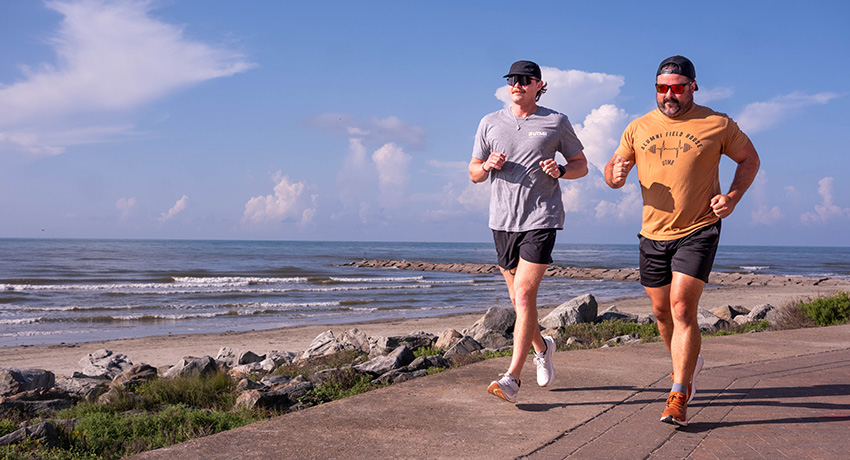
Through programs that support healthy living to innovative heart health studies, the institution shows that healthcare starts long before treating an illness.

New Undersea and Hyperbaric Medicine Fellowship will train doctors to care for patients in exploration environments as human spaceflight continues to expand.
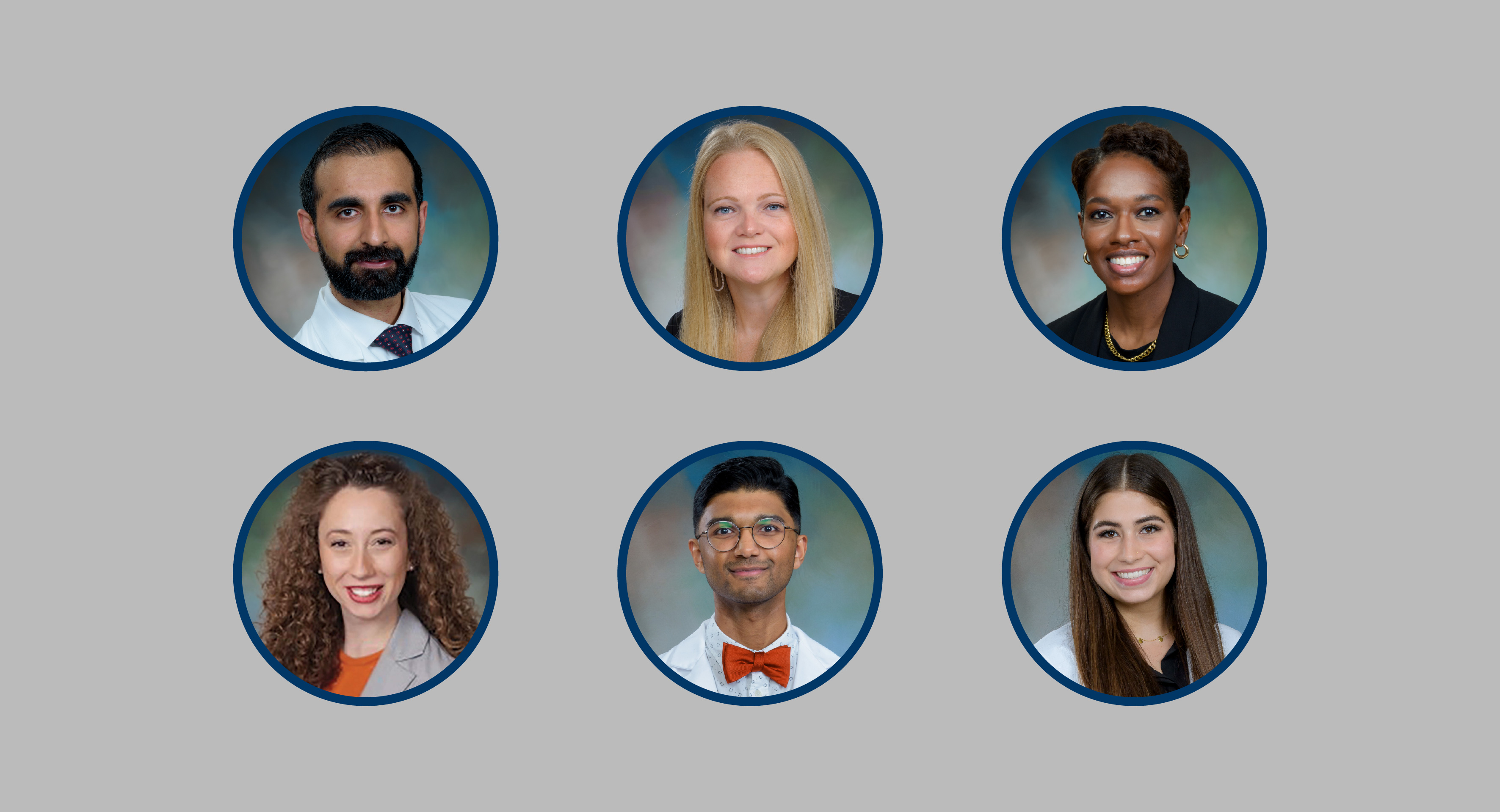
Honorees are chosen based on professional accomplishments, professional growth, and community service.
A UTMB-led study found that people with Type 2 diabetes may remain at increased risk for heart attack, stroke, and death despite treatment. Elevated suPAR levels identified patients with persistent inflammation and higher cardiovascular risk.
Pneumonia, oxygen deprivation, brain swelling, hospitalization, and death are why we should take the disease seriously and keep vaccination rates high, say Sealy Institute for Vaccine Sciences faculty members Drs. Megan Berman, a professor of internal medicine, and Richard Rupp, a professor of pediatrics at the University of Texas Medical Branch.