
Driving while drunk. Or under the influence of drugs. Or when your mind is on anything other than the road. Is it worth it? The answer to that question is a resounding no. University of Texas Medical Branch Trauma Services, in conjunction with The Center for Addiction Research, will drive home that point with a live production that vividly portrays the devastating effects of drunken/drugged driving.
An overactive bladder can be embarrassing. It can also be fixed.
Sexual contact is not the only way monkeypox is spread, points out infectious disease doctor Susan McLellan at the University of Texas Medical Branch at Galveston. But she agrees that it is by far the most likely way in this current outbreak, so far. “Epidemiological data for the outbreak in Western Europe and the United States makes that clear,” she said. “We're not detecting many cases in kids and individuals who aren't sexually active. We're detecting cases mostly in individuals from networks with a lot of sexual encounters."
“During this outbreak, there will probably be at least one random case where somebody gets it on a bus. But, you know, that’s going to be profoundly rare, probably less likely than being hit by that bus,” Dr. Susan McLellan from the University of Texas Medical Branch in Galveston, Texas, said during a recent interview with NPR.
Dr. Karen Dineen Wagner, professor and chair of the Department of Psychiatry and Behavioral Sciences at the University of Texas Medical Branch at Galveston, wrote an article about the need for further evidence-based antidepressant treatments for children and adolescents with depression.
The Austin TV news station interviewed Dr. Ashok Chopra, distinguished professor of microbiology and immunology at UTMB, about this research that uses a bacteriophage platform for the vaccine tested on mice. Other TV stations in central and west Texas picked up the KVUE report. The Houston Chronicle also reported “Scientists sniff out next-generation COVID vaccine.” “The nasal vaccine does not seem to affect the gut microbiota and is more potent in generating systemic and mucosal immune responses than when the vaccine is injected into the muscle of mice,” Chopra said.
“We celebrate National Immunization Awareness Month every August,” Drs. Megan Berman and Richard Rupp wrote in the latest Vaccine Smarts column. “One of the few benefits of the pandemic is that we are more knowledgeable about vaccines development, licensure and how they work. Unfortunately, we are also learning about the danger of vaccine hesitancy and refusal.”
Dr. Victor S. Sierpina explained that Tai Chi involves the slow repetitive shifting of weight from one leg to another and challenges balance control to maintain a center of mass within a changing base of support. “This is likely the same reason that Tai Chi has long been shown to reduce fear of falling in other studies of older adults,” he wrote.
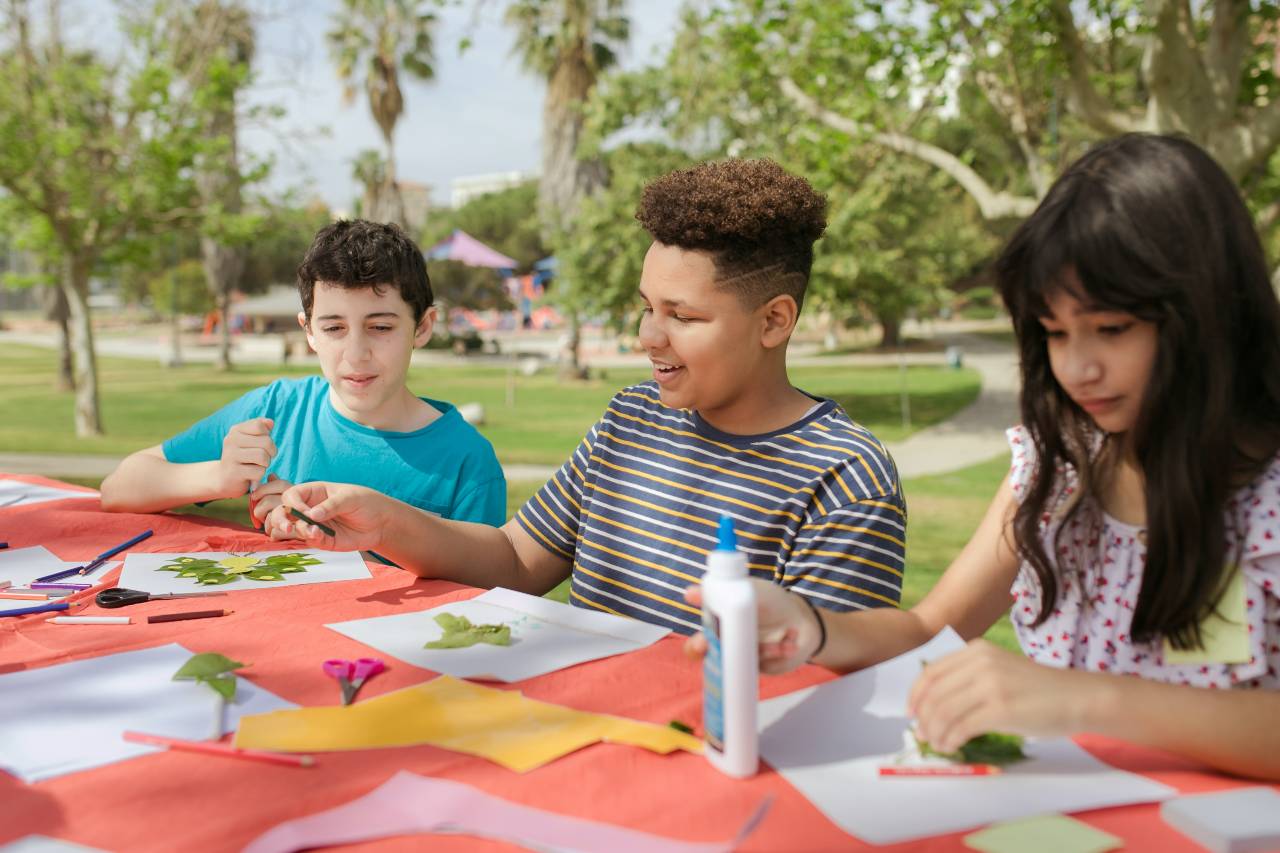
Researchers at The University of Texas Medical Branch recently investigated a COVID-19 outbreak in an overnight camp in Texas to better understand transmission. The study revealed that the summer camp outbreak was most likely the result of a single introduction of the virus that spread throughout the camp, and then to the community.
Vineet Menachery, a coronavirologist at the University of Texas Medical Branch talked to Katherine Wu about variants improving their ability to resist interferons. “There’s a domino effect,” Menachery said. Wu wrote: “More cells get infected; antibody and T-cell responses hang back, even as viral particles continue to spread. Eventually, the body may get wise and try to catch up. But by then, it may be too late. The brunt of viral replication might be over, leaving the immune frenzy to misdirect much of its havoc onto our own tissues instead.”
“What are we looking at and how long is this going to go on?” said Vineet Menachery, a coronavirus specialist at the University of Texas Medical Branch. “Is this just how we have to deal with it going forward or is there some relief in sight? I think the honest answer is, we just don’t know. We haven’t seen anything quite like this.”
The Houston Public Media radio program featured Dr. Susan McLellan, Medical Director of the Bio-containment Treatment Unit and Director of Bio-safety for Research-Related Infectious Pathogens at UTMB.
In a recent study posted to the bioRxiv preprint server, researchers assessed the neutralization of severe acute respiratory syndrome coronavirus 2 (SARS-CoV-2) Omicron variant after messenger ribonucleic acid (mRNA) vaccination. UTMB’s Dr. Pei-Yong Shi is one of the authors of the study.
“Whether it’s called triggers or micro-triggers, we all certainly have things that set us off,” said Jeff Temple, a psychologist at the University of Texas Medical Branch, who adds that sometimes even dreading those transitions can be triggering. “There’s anticipatory anxiety, which is anxiety about being anxious, as opposed to actual things to be anxious about.”
New research shows that a needle-free mucosal bacteriophage (phage) T4-based COVID-19 vaccine is effective against SARS-CoV-2 infection. One of the corresponding authors is Dr. Ashok K. Chopra, Department of Microbiology & Immunology, University of Texas Medical Branch at Galveston. Many international outlets also ran this story, including the Italian news site News Mondo.
The University of Texas Medical Branch School of Nursing will launch a nursing certificate program in January that aims to improve care for patients in rural areas where there are not enough professionals to care for these communities. “For telehealth to be a widely adopted solution across Texas, providers need resources, education and support to eliminate barriers and successfully implement telehealth tools into modern health care practice,” said Dr. Kristen Starnes-Ott, Vice Dean for Academic Affairs and Professor at UTMB School of Nursing.
For about three years, the Galveston Island Beach Patrol has been working toward a leadership program. Partnering with the Occupational Therapy team from the University of Texas Medical Branch, its leadership committee modified an existing program that was based on a program generated from a Navy SEAL team.
The Novavax vaccine is an excellent option for unvaccinated individuals hesitant or unable to receive the mRNA vaccines. Drs. Megan Berman and Richard Rupp explain why in this Vaccine Smarts column.
Drs. Norbert Herzog and David Niesel summarize Florence Bell’s biography in this Medical News Discovery column.
“Studies have shown that both giving and receiving forgiveness can improve blood pressure, decrease symptoms of depression and anxiety, improved mental resilience and even improve our immune system and how we respond to illness,” writes Dr. Samuel Mathis