Wouldn’t it be great if, when you developed symptoms of COVID-19, you could take a pill to prevent the virus from making you gravely ill? That’s the promise of new drugs developed by Pfizer, Merck and others, Drs. Norbert Herzog and David Niesel explain in their latest Medical Discovery News column.
Brazoria County employees now can receive in-network health coverage from the University of Texas Medical Branch under a new agreement between the entities. The contract reestablishes the relationship between the county, UTMB Health and Aetna after the health provider and insurance company reached an impasse on negotiations. The Houston Chronicle also reported this news.
In her regular column, Dr. Sally Robinson explains how vision works and how some people are color blind. “Being able to see is an unbelievably complex process,” she wrote. “It’s so complex that it takes up to one-third of the brain.”
While it’s true that some older adults are just tired, in pain, physically and mentally ready to take their hand from the wheel of life, many are not, writes Dr. Victor Sierpina in his newspaper column. “I continue to be amazed at the 70-, 80- and 90-year-olds in my practice with sharp minds, mobile albeit slower bodies, and unquenchable joie de vivre.”
COVID numbers have dropped but the virus still is out there, said Dr. M. Kristen Peek, interim dean of the school of public and population health at the University of Texas Medical Branch. “The best way to ensure safety is to be vaccinated and boosted, wear a mask and try to keep some distance, though I understand that’s hard if you’re watching a parade or at an event,” Peek said. “People should definitely mask for indoor activities and, ideally, get tested before they participate in group activities.”
UTMB Health Psychiatry Webster saw about 9,900 patients from September 2019 to August 2020; that number increased nearly 20% to about 11,800 patients seen from September 2020 to August 2021, according to UTMB data. While the introduction of telehealth has opened access, the demand greatly outpaces the number of providers available for counseling, said Dr. Jeff Temple, a professor and licensed psychologist at UTMB. “There’s only so many hours and only so many people that an individual (provider) can see,” Temple said. “The increased access has helped, but the demand is so great that it still is leaving people lacking.”
Diagnosing and treating depression among elderly patients can pose challenges for internists. “What is unique about depression in the elderly is that many times the presenting concerns to the providers tend to be more of somatic and physical complaints and related to their multiple chronic conditions,” said Mukaila A. Raji, MD, FACP, distinguished professor of geriatrics at the University of Texas Medical Branch at Galveston. “If we don't take care of the mind—the thinking and the feeling—we cannot get the patient optimally tuned with respect to congestive heart failure, COPD and other chronic conditions,” he said.
One of the five things mentioned in this report is the value of the HPV vaccine. According to a new study from UTMB, the HPV vaccine has significantly reduced rates of anal cancer. It’s also linked to lowering rates of cervical cancer. Doctors recommend getting the HPV vaccine between 11 and 12 years old.
Heart disease is a leading cause of death for both men and women in the United States, but you can do a lot to protect your heart and stay healthy. Dr. Gal Levy, cardiovascular and thoracic surgeon and assistant professor with the Department of Surgery, addressed cardiovascular disease and its prevalence in women on the news organization’s Facebook page.
The Food and Drug Administration has approved two new pneumococcal vaccines that broaden protection. Drs. Megan Berman and Richard Rupp explain the importance of this advance in their Vaccine Smarts column. “Following these recommendations should protect 90 percent of adults at increased risk of pneumococcal infection, hospitalization and death,” they write.
The new horizon for medical devices is microrobotic systems that can do their work in the human body. Drs. Norbert Herzog and David Niesel explore that horizon in their regular Medical Discovery News column. “In many cases, scientists know what the devices need to be able to do, but the devices need to have power so they can do their work deep within a human,” they write.
What's the role of nutrition in cancer care? The Galveston County Daily News, February 17, 2022 The University of Texas Medical Branch’s faculty in Family Medicine offer consultations in Integrative Oncology and is opening a new clinical referral program led by Dr. Sagar Kamprath, a graduate of the Fellowship in Integrative and Behavioral Medicine and an expert in nutritional medicine. “This clinic will address the needs of cancer patients across the spectrum of cancer care and will initially focus on survivors of breast cancer, one of the most frequent cancers,” writes Dr. Victor S. Sierpina in his regular newspaper column.
Tilman Fertitta’s sold-out San Luis Salute Mardi Gras bash in Galveston Feb. 25 will honor Dr. Barbara Thompson, professor in the department of family medicine at the University of Texas Medical Branch at Galveston. The traditional pomp and circumstance includes presentation of not only the honoree but also the Knights of Momus court, dignitaries and distinguished guests. The Houston Chronicle and KPRC reported that gala proceeds benefit the University of Texas Medical Branch at Galveston.
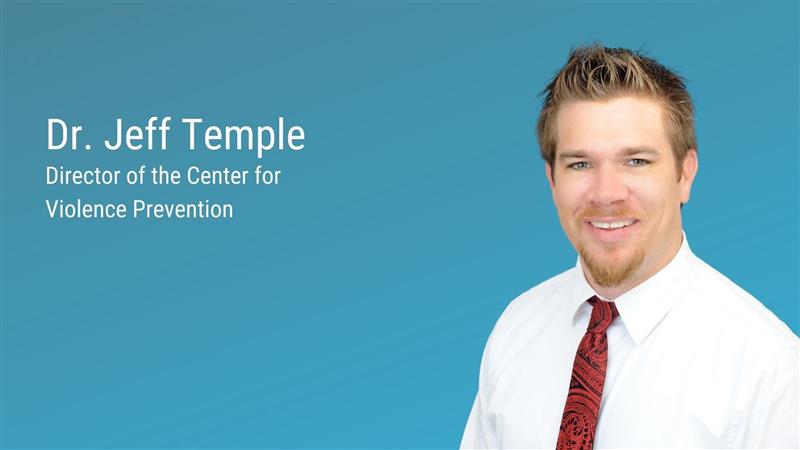
The Texas Council on Family Violence named the Center for Violence Prevention at the University of Texas Medical Branch (UTMB) the winner of its 2022 Texas Partner for Change award.

“For parents, the desired benefits are less pain and smaller incisions,” said Dr. Jonathan Gerber, a pediatric urologist at UTMB Health.
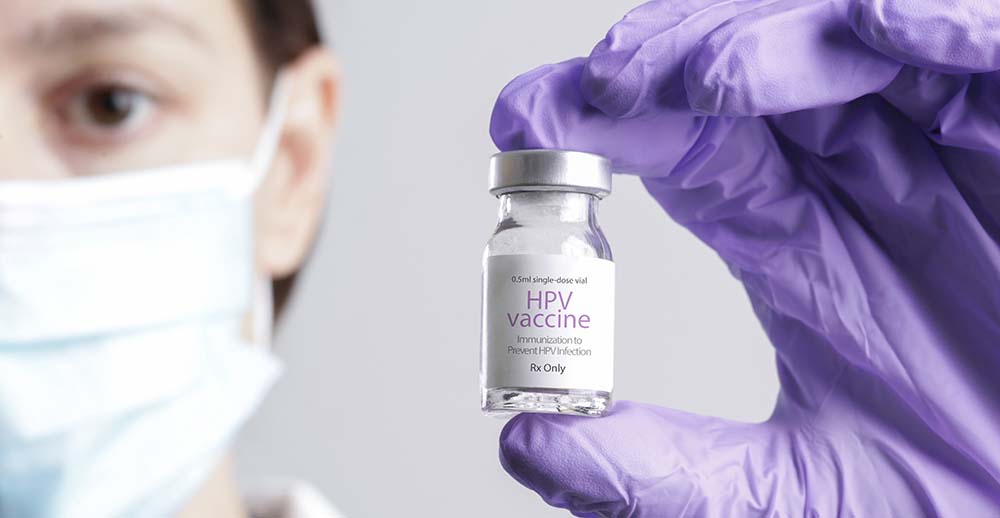
In a new study published in the Journal of the American Medical Association Oncology, researchers found evidence that HPV vaccination is reducing the incidence of anal cancer among young adults in the US.

While heart failure is a serious condition, it’s still possible to live a full and active life with the right medical treatment and lifestyle, and Heart Failure Awareness Week serves as a time to promote heart failure awareness, education and prevention.
A small study of nonvaccinated men who died of COVID-19 complications suggests the testes may be a sanctuary for the SARS-CoV-2 virus, raising questions about potential consequences for reproductive health among those infected. Results from the Brazilin and U.S. study emphasize the importance of testicular damage in severe COVID-19, said Dr. Rafael Kroon Campos, a postdoctoral fellow in the Department of Microbiology and Immunology at The University of Texas Medical Branch at Galveston. He told Medscape Medical News that other viruses have also been shown to infect or otherwise cause testicular damage such as Zika, Ebola and the closely related SARS-CoV-1. “It is critical to continue to investigate the impact of the disease in testes, including the impact of different variants of concern on testicular damage,” he said. Thailand Medical News also reported the preprint study posted Feb. 8 at MedRxiv.
Since the beginning of the COVID-19 pandemic, it has been a challenge to find blood and blood components, said Juan David Garcia, UTMB administrative director of laboratory services in the Department of Pathology and Laboratory Services. “Blood centers just don’t have enough people donating,” Garcia said. “Our supply has been an issue but we have been working with more than 10 different blood suppliers around the country including Indiana, Michigan, Wisconsin, New York, and others to maintain the adequate number of units available at UTMB.”
UTMB researchers published a study in 2020 that examined potential impact of living near refineries using a population-based analysis. Dr. Stephen Williams, professor and chief of the Division of Urology at the University of Texas Medical Branch at Galveston, is one of the authors. “There is an association we found with proximity to an oil refinery and increased types of all cancer and particularly bladder cancer, which is quite provocative,” told the Beaumont TV news crew Monday.