UTMB’s Dr. Lillian Lockhart was honored by friends and colleagues with a parade at her home to celebrate her retirement. Lockhart, 89, was one of the first women to teach genetics in a university. “I loved teaching,” she said. “I never had a bad student. I really enjoyed that part the most, other than seeing my patients.
The Tampa Bay Regional Planning Council recently conducted a hurricane simulation to examine what would happen if the Tampa Bay area experienced a direct hit by a Category 5 storm. They determined it would be a devastating blow to the area, but residents would rebuild as they have done in the past. UTMB’s Jeff Temple explains that risk exists everywhere. “If it’s flooding, mudslides, or earthquakes, or fires, or hurricane, or tornadoes, it’s really inescapable,” said Temple.
This week, Victor Sierpina writes about the power of love and the need for more of it today. He encourages readers to reach out to each other with greater consciousness, love and healing.
National Public Radio interviews Vineet Menachery to get his take on what the future may hold moving forward with COVID -19. Public radio stations nationally broadcast the interview.
Houston coverage of vaccine clinical trials, which have kicked off in the metro area. The story notes that UTMB is a site for the Pfizer and Moderna vaccine candidates. The trials are part of an accelerated effort that usually takes two years.
UTMB’s Jeff Temple was named a 2020 Piper Professor by the Minnie Stevens Piper Foundation, one of ten statewide. The Texas Medical Center published the news on their website with other good news from member institutions.

A specialized research center at The University of Texas Medical Branch at Galveston that helps older adults has received a $6.3 million renewal of its grant from the National Institute on Aging. The Claude D. Pepper Older Americans Independence Center at UTMB has been continually funded since 2000.
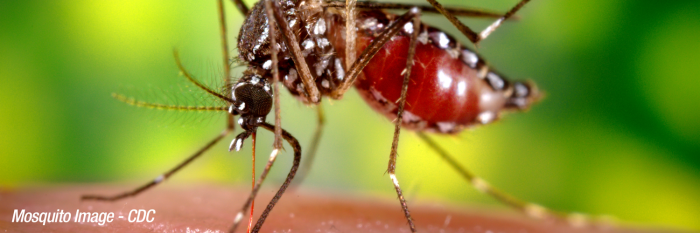
A multidisciplinary team from The University of Texas Medical Branch at Galveston has uncovered a Zika virus mutation that may be responsible for the explosive viral transmission in 2015/2016 and for the cause of microcephaly (babies with small heads) born to infected pregnant women. The study is currently available in Proceedings of National Academy of Sciences.
In this week’s column, Victor Sierpina explains the many ways that owning a pet can be beneficial to one’s well-being.
Research conducted at UTMB found that 90 percent or more of people undergoing total knee or hip replacement in 2017 received a prescription for opioid pain relievers within 60 days of surgery, up from 82 percent three years earlier. JAMA Network Open published the findings.
The quest to develop a Covid-19 vaccine has been one of the fastest in history, as some candidates are already entering final-stage clinical trials that will demonstrate whether they protect people from the virus. Interviewed for the story UTMB’s James Le Duc said, “This is a huge experiment, and no one knows how it’s going to turn out.”
UTMB’ doctors Richard Rupp and Alan Barrett help explain the vaccine clinical trials process as scientists continue the quest to find a Covid-19 vaccine. “Everything we’re doing at the moment is what we normally do to develop a vaccine. It’s just we are squashing everything together at warp speed, but we’re not cutting corners,” said Barrett. “It’s just everything is being put together to do it at the speed we can to get the data.”
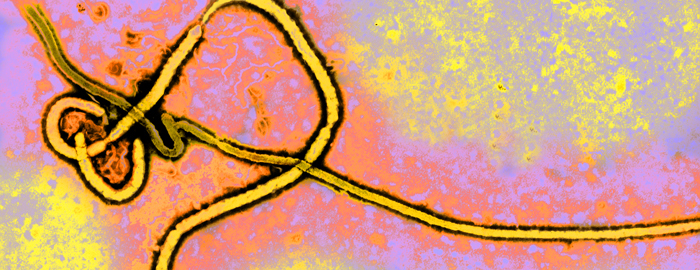
Many colleges plan to conduct a fall football season even in the face of advice from scientists and health care professionals that say it is a bad idea. Interviewed for this story, UTMB’s Susan McLellan says it is not a good idea for any athlete who plans to make the sport part of their career.
This week, Megan Berman and Richard Rupp explain the accelerated process being utilized to develop a SARS-CoV-2 vaccine. Some worry the process may not be safe, but the doctors explain the technologies researchers are using were specifically developed so vaccines could be rapidly produced in the face of an emerging infectious disease.

The excitement is palpable as the first two SARS-CoV-2 vaccine candidates enter the homestretch for Food and Drug Administration licensure.
This story from the Texas Medical Center focuses on Pei-Yong Shi’s work with the enzyme luciferase, which give lightning bugs their distinctive glow. Shi and his team are using the enzyme to develop faster and more accurate diagnostic tests for COVID-19. “The great thing about luciferase, and the one that we specifically use which is nanoluciferase, is that it’s really bright,” said fourth-year graduate student Coleman Baker.
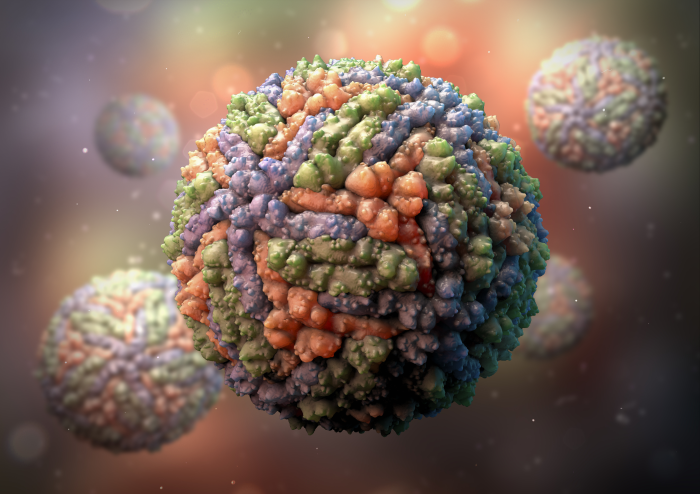
How did Zika virus acquire the ability to infect the brain and reproductive tissue to cause its characteristic disease? The answer may lie in a newly observed ability of the virus to use a host cell’s own defense mechanisms as a disguise. A team from The University of Texas Medical Branch at Galveston have published new research that shows the Zika virus evolved to use a host cellular enzyme for its own invasion, potentially explaining the mechanism by which the virus efficiently infects the brain and reproductive tissues, a potential explanation for how the Zika virus causes congenital neurological disorders like microcephaly, found in the newborns of infected mothers.
The local newspaper interviewed students and educators about changes that incoming students will encounter because of the COVID-19 pandemic. UTMB’s Scott Boeh explains Medical Branch students will take classes primarily online, except for labs or clinical work.
A new national study concludes there is a clear need for more funding and coordination among tick surveillance programs across the country. The study cites UTMB’s Western Gulf Center of Excellence for Vector-Borne Diseases as a good program. The center performs research to expand surveillance for ticks and tick-borne pathogens. The center also trains future scientists and public health practitioners.