When it comes to heart health, most people think about blood pressure checks or cholesterol tests—but your heart’s electrical system plays an equally important role. When it’s slightly off, your heart may not pump efficiently, and arrhythmias can sneak in.
That’s where cardiac electrophysiologists at UTMB Health provide advanced monitoring, diagnosis and treatment, so patients have comprehensive heart care under one roof.
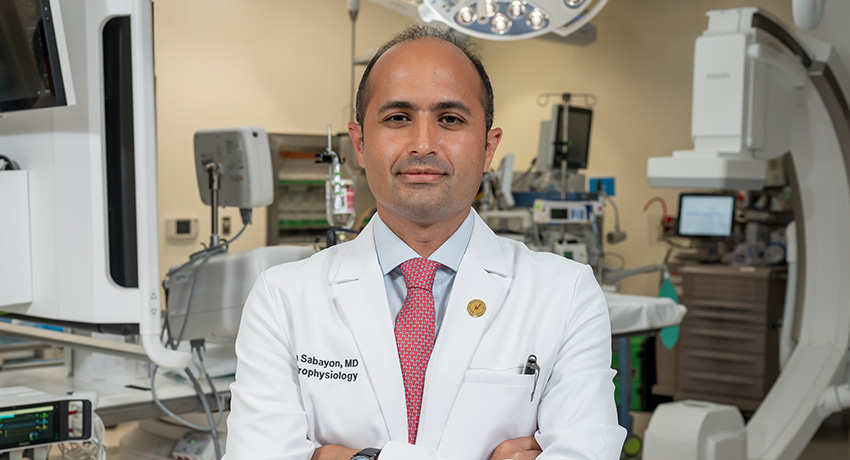
“Your heart runs on electrical signals, so think of it like your heart’s wiring,” UTMB cardiac electrophysiologist Dr. Muhie Sabayon said. “If the wiring is off, it can race, skip beats or slow down—sometimes without you noticing. We make sure those signals stay on track.”
EPs treat various arrhythmias, including:
Smart devices help patients stay ahead and signal when to visit the PCP.
“FDA-approved smartwatches can detect irregular heartbeats in real time,” Sabayon said. “If your watch flags something, don’t ignore it—bring it to your doctor. Early evaluation can be lifesaving.”
“We’ve seen tremendous advances in safety, technology, and effectiveness,” Sabayon said. “Procedures are less invasive, recovery is faster and outcomes are better.”
Today, patients can live full, active lives despite a history of heart rhythm issues, and feel confident knowing UTMB provides comprehensive care from diagnosis to long-term management.
Schedule your annual checkup, monitor your heart health and contact UTMB Health for expert care.
That’s where cardiac electrophysiologists at UTMB Health provide advanced monitoring, diagnosis and treatment, so patients have comprehensive heart care under one roof.
What is a cardiac electrophysiologist?
A cardiac electrophysiologist, or EP, is a heart doctor who specializes in the signals controlling your heartbeat.“Your heart runs on electrical signals, so think of it like your heart’s wiring,” UTMB cardiac electrophysiologist Dr. Muhie Sabayon said. “If the wiring is off, it can race, skip beats or slow down—sometimes without you noticing. We make sure those signals stay on track.”
EPs treat various arrhythmias, including:
- Atrial fibrillation: Irregular upper chamber beats, higher stroke risk
- Bradycardia: Slow heartbeat, can cause fatigue or dizziness
- Tachycardia: Fast heartbeat, may feel like palpitations
- Premature beats: Extra beats, felt as skipped or fluttering heartbeats
- Ventricular arrhythmias: Serious rhythms from lower chambers, potentially life-threatening
Signs your heart may be out of rhythm
Arrhythmias don’t always make a dramatic entrance. Here’s what to watch for:- Fluttering or pounding heartbeats
- Skipped beats or racing pulse
- Shortness of breath
- Lightheadedness or dizziness
- Extreme fatigue or fainting
Routine care: The first line of defense
Early detection starts with your primary care physician. Regular checkups can uncover unnoticed changes. If something seems off, your PCP can refer you to UTMB’s heart rhythm specialists for targeted care.Smart devices help patients stay ahead and signal when to visit the PCP.
“FDA-approved smartwatches can detect irregular heartbeats in real time,” Sabayon said. “If your watch flags something, don’t ignore it—bring it to your doctor. Early evaluation can be lifesaving.”
Heart-healthy habits
Regular checkups and your lifestyle are key to keeping your heart’s rhythm steady:- Follow a heart-healthy diet
- Exercise at least three times a week
- Avoid smoking and limit alcohol
- Maintain a healthy weight
- Manage high blood pressure, high cholesterol and sleep issues
Modern treatments bring peace of mind
For patients with persistent or complex arrhythmias, UTMB Health offers advanced treatments like catheter ablations, pacemakers, defibrillators and long-term rhythm monitoring.“We’ve seen tremendous advances in safety, technology, and effectiveness,” Sabayon said. “Procedures are less invasive, recovery is faster and outcomes are better.”
Today, patients can live full, active lives despite a history of heart rhythm issues, and feel confident knowing UTMB provides comprehensive care from diagnosis to long-term management.
Take charge of your heart
Heart rhythm problems aren’t always obvious, so staying proactive makes a huge difference.Schedule your annual checkup, monitor your heart health and contact UTMB Health for expert care.