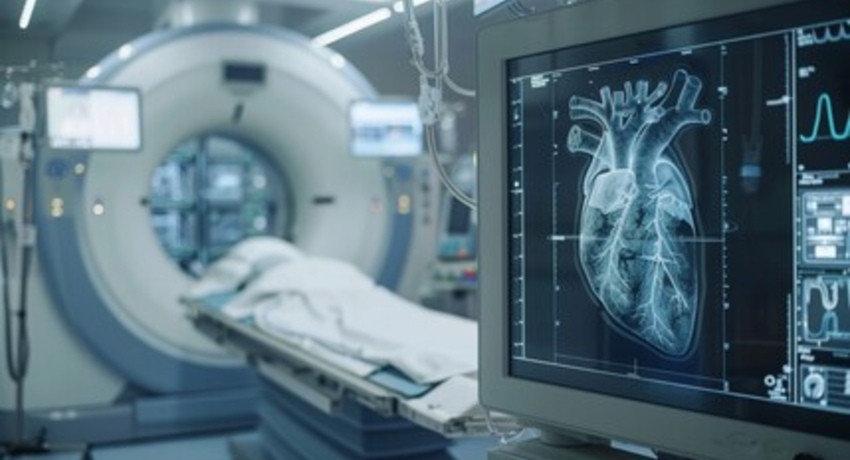
A new quality-improvement project at The University of Texas Medical Branch (UTMB) has found that simple changes in how heart CT scans are performed can dramatically lower patients’ exposure to radiation without reducing image quality or accuracy.
The scan, called coronary CT angiography (CCTA), is commonly used to check for blocked or narrowed heart arteries in people with chest pain. It is noninvasive and highly accurate, but does involve exposure to radiation.
To address this issue, UTMB specialists introduced a new system that tailors each scan to the individual patient. Instead of using the same settings for everyone, technicians adjusted the scanner based on factors such as heart rate, body size, age, and the reason for the test.

“The goal was to follow the federal safety principle known as ALARA—as low as reasonably achievable—meaning radiation should be kept as low as possible while still getting clear medical images,” said advanced imaging cardiologist Dr. Esosa Odigie-Okon, MSc, FACC, who was involved in the project.
Researchers reviewed scans from 146 patients before and after the new approach was put in place. The results were significant:
- Radiation exposure dropped by about 63% overall
- Women saw slightly greater reductions than men
- Image quality improved, helping doctors make more confident diagnoses
- The number of patients who could be scanned each month increased by about one-third, improving access to care.
The project also showed that the changes were practical and easy for staff to follow. Technicians received additional training, and scan settings were saved in the machines so they could quickly choose the safest option for each patient.
“This approach could be adopted by hospitals and imaging centers across the country,” Odigie-Okon said. “By customizing scan settings and improving teamwork between physicians and technicians, medical centers can make heart imaging safer by reducing radiation exposure and its long-term risks to patients while still providing high-quality results.”
Researchers plan to continue monitoring radiation levels and expand the program to additional campuses, with the goal of making personalized, lower-radiation heart scans the new standard of care.
Additional researchers on this project were Dr. Olushola Ogunleye, Dr. Shakirat Ganiyu, Dr. Diann Gaalema and MD Candidate Dallin Swanson, UTMB; and Ritika Saxena and Dr. Mohab Hassib, UTMB medical students at the time of the research.