The “frustration brake failure” hypothesis suggests frustration may play an important role in substance use disorders alongside craving, impulsivity, and habit.
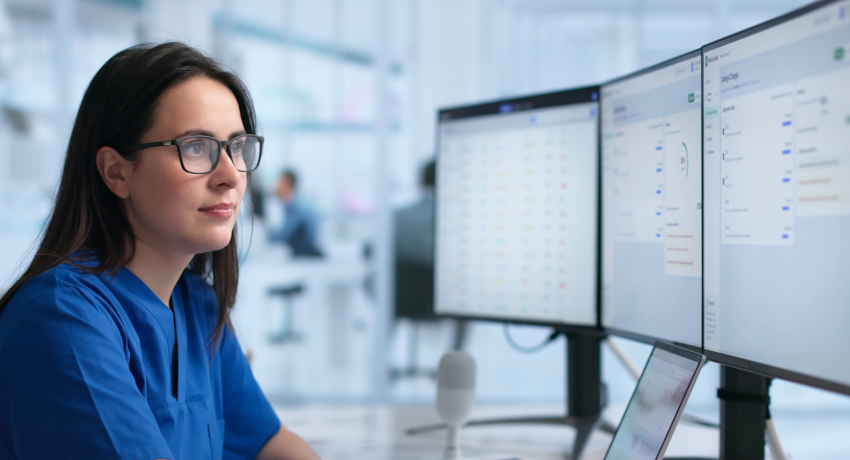
Secure integration puts cited, evidence-based clinical intelligence inside the electronic health record, with clinician adoption growing significantly since its March launch.
New publication outlines a patient-centered framework connecting brain health, innovation, and better health outcomes.

The algae bloom could cause respiratory symptoms in beachgoers and poses additional risks for people with asthma and other chronic lung conditions.
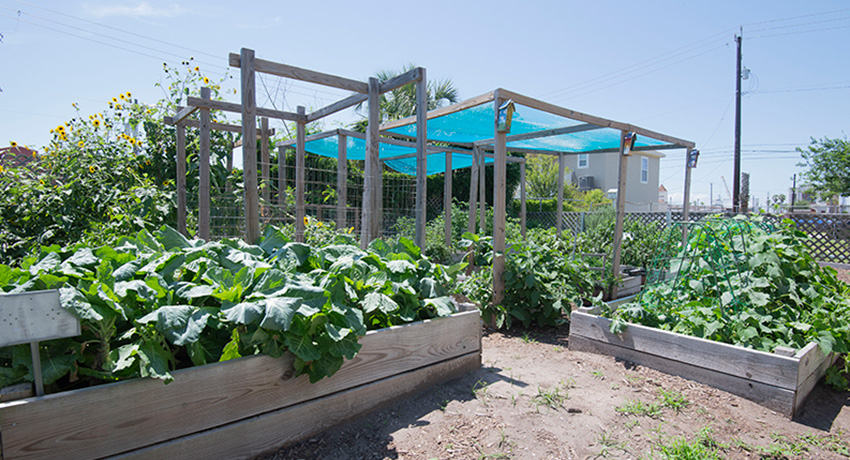
A plant-based diet focuses on foods that come from plants, including vegetables, fruits, whole grains, legumes, nuts, and seeds. Learn more about exploring this lifestyle option.
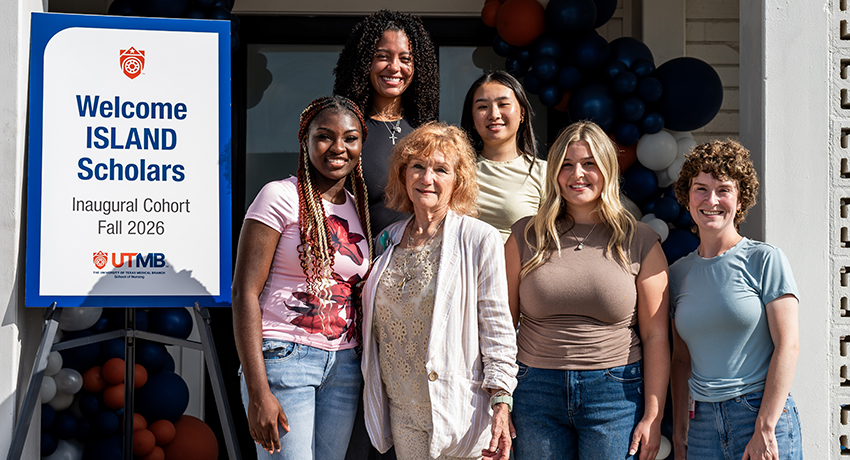
A new group of students in The University of Texas Medical Branch (UTMB) School of Nursing is making history as the inaugural recipients of the ISLAND Promise, a scholarship and workforce development initiative.
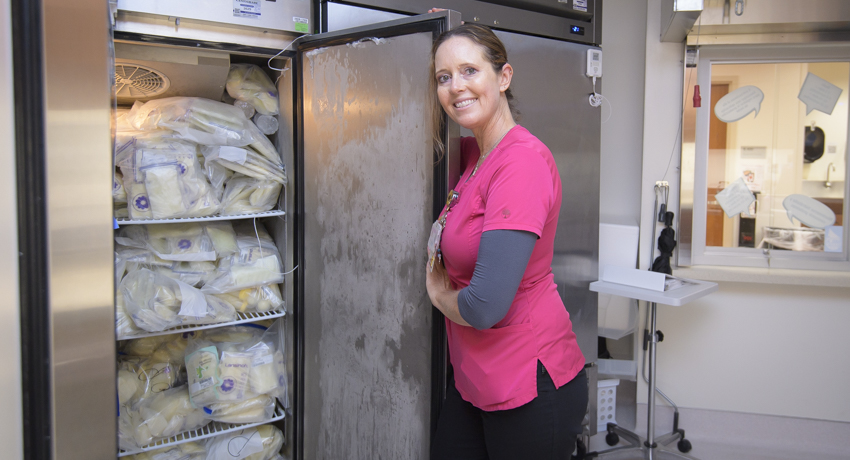
A UTMB Health breast milk donation program delivered 6,700 ounces in its first year, supporting fragile newborns in the NICU.
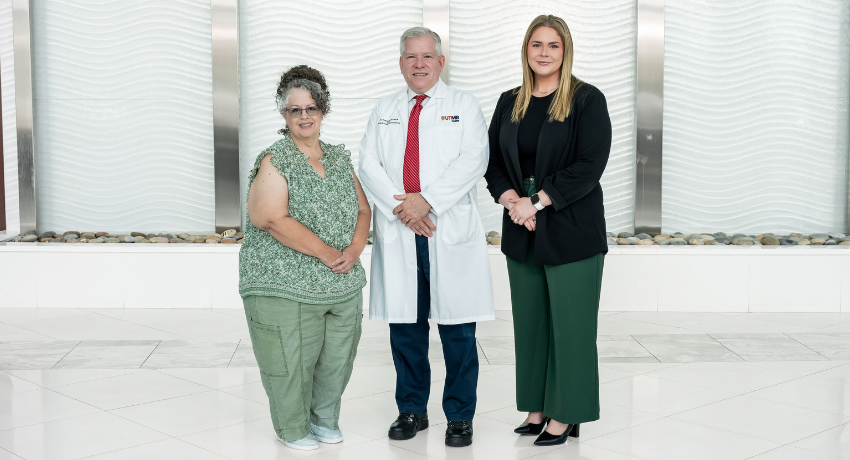
The UTMB Health League City Campus has earned Total Joint Replacement Center of Excellence accreditation, recognizing its high standards in joint replacement care.

New UTMB department builds on more than three decades of Aerospace Medicine leadership while expanding focus on human health in space and other demanding environments.

Christine Wade reflects on how the events of 9/11 shaped her approach to emergency preparedness, leadership, and crisis response. Her experience continues to inform the university's commitment to training, planning, and readiness.
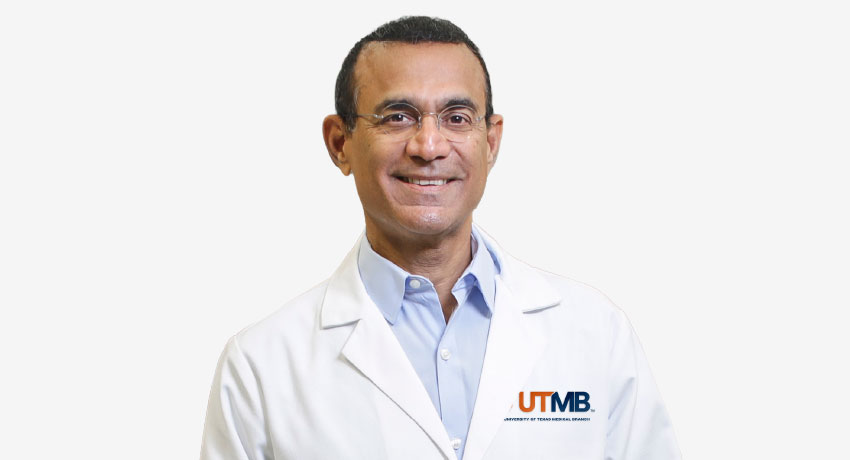
UTMB has appointed internationally recognized cancer researcher Raghu Kalluri, MD, PhD, as senior vice president, executive director of the UTMB Cancer Center and chief scientific officer, effective Sept. 1.
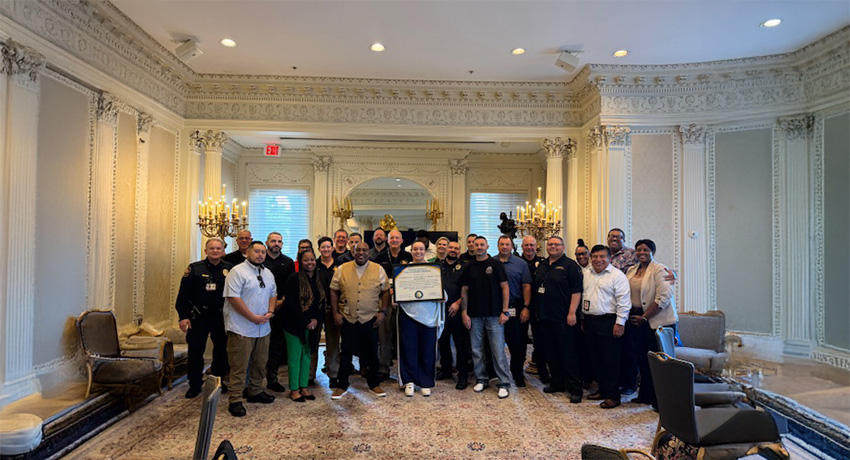
The UTMB Police Department has earned dual accreditation, a distinction that recognizes excellence in both law enforcement and campus public safety.
Investigational agent makes cancerous tissue light up during surgery, potentially helping neurosurgeons distinguish tumors from healthy brain tissue.
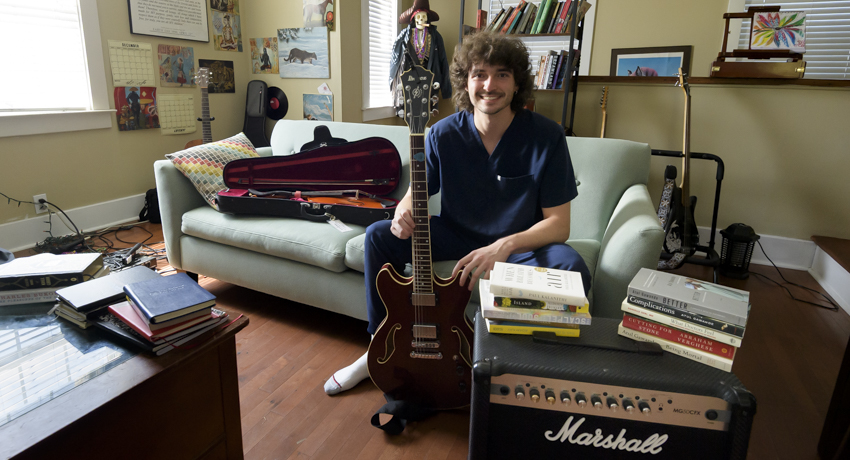
Aidan Carroll once measured his worth by grades and achievement. After academic struggles, legal trouble, and personal challenges, the UTMB medical student found a deeper sense of purpose and discovered the kind of physician he wants to become.
The Society of NeuroInterventional Surgery brings together specialists in interventional neuroradiology, endovascular neurosurgery, and interventional neurology to advance research, education, advocacy, and standards of care that improve the diagnosis and treatment of diseases affecting the brain, spine, head, and neck.
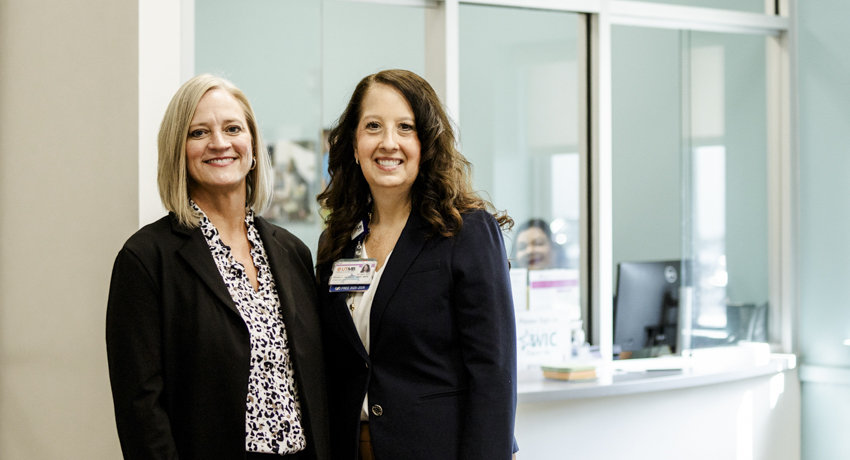
UTMB Health secured a record $10.3 million in USDA funding for its WIC program, nearly $1 million more than last year. The funding will expand nutrition education, breastfeeding support, and healthy food resources across Southeast Texas.
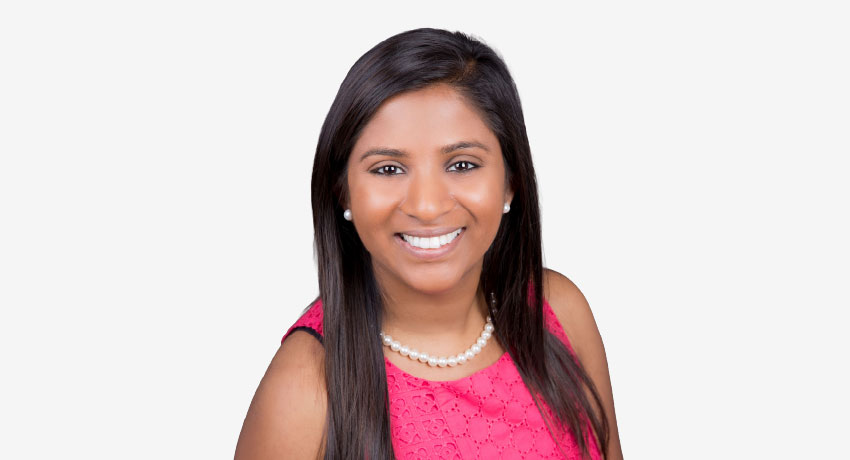
Sheba Luke, DNP, chair of Graduate Studies at The University of Texas Medical Branch (UTMB) School of Nursing, has been named one of the Houston Business Journal’s 2026 Women Who Mean Business honorees.
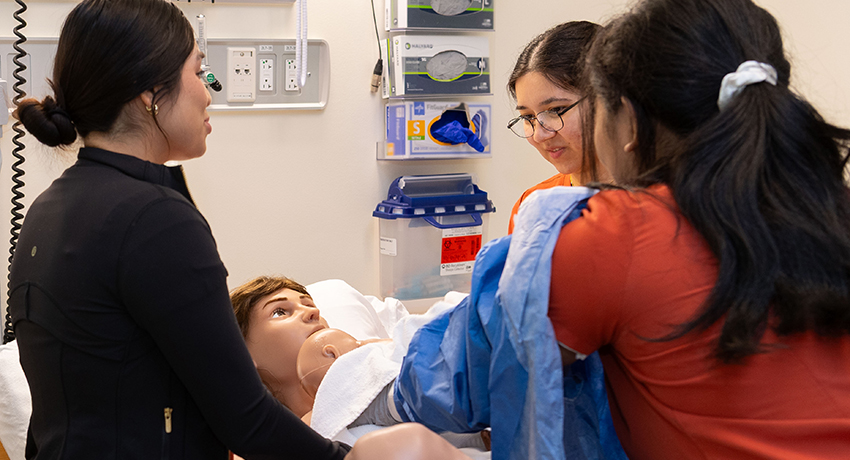
The UTMB School of Nursing recently launched the Birth Advocacy: Bridging Instruction, Education & Support (BABIES) program, which aims to ensure nurses are equipped to better care for and support patients from pregnancy through postpartum.
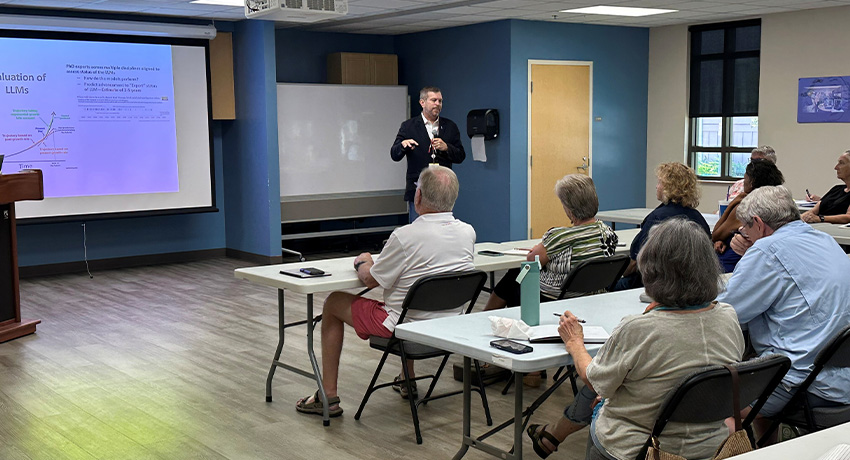
“Smart Tools and AI: Technology to Simplify Your Life,” an OLLI course designed for adults ages 50 and older, explores how artificial intelligence can be used in everyday life while helping participants better understand its benefits.

New Undersea and Hyperbaric Medicine Fellowship will train doctors to care for patients in exploration environments as human spaceflight continues to expand.