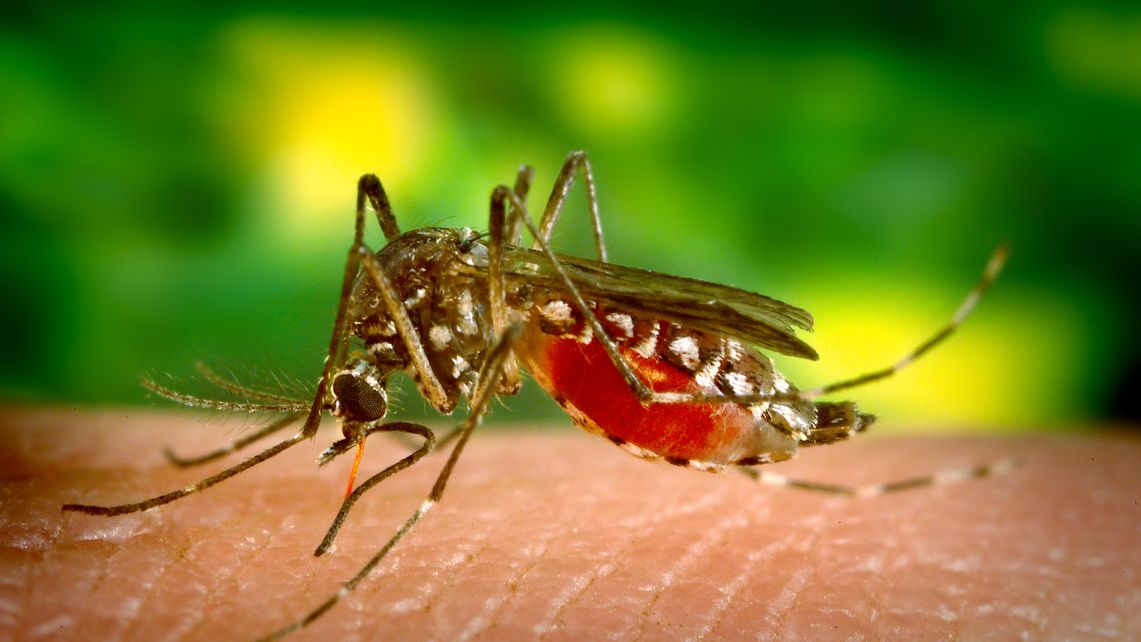
New research out of The University of Texas Medical Branch reveals findings that drug candidate NITD-688 utilized a unique way to stop dengue, a potentially life-threatening infection spread by mosquitos.
As part of its dedication to enhanced professionalism and law enforcement excellence in public safety and community relations, The University of Texas Medical Branch Police Department voluntarily became a Nationally Accredited Law Enforcement Agency through the Commission on Accreditation for Law Enforcement Agencies (CALEA) in 2012.

Even low levels of daily physical activity can lead to significant improvements in fitness level, social responsiveness, cognitive flexibility, and planning and organizing abilities in autistic adolescents according to a recent study by Dr. Claudia Hilton.
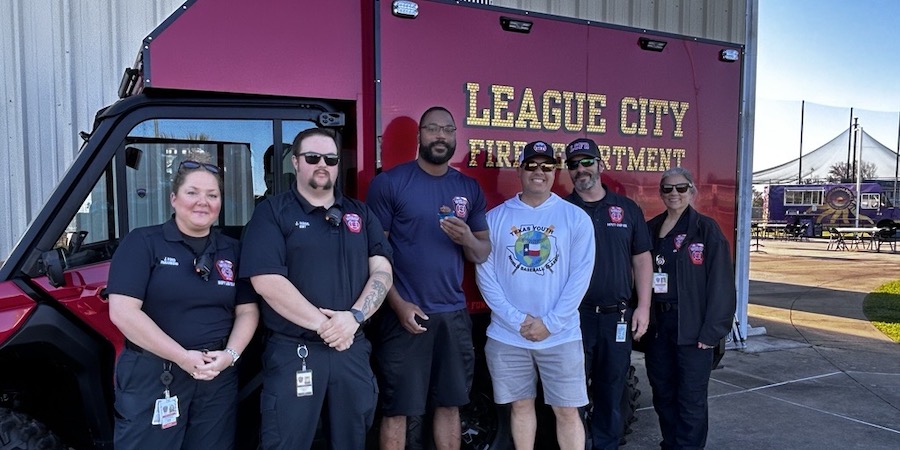
League City police officers, firefighters and emergency medical personnel worked alongside UTMB employees from the Clear Lake, League City and Galveston campuses to support the event that featured 8 to 14 year old children from over 15 countries.
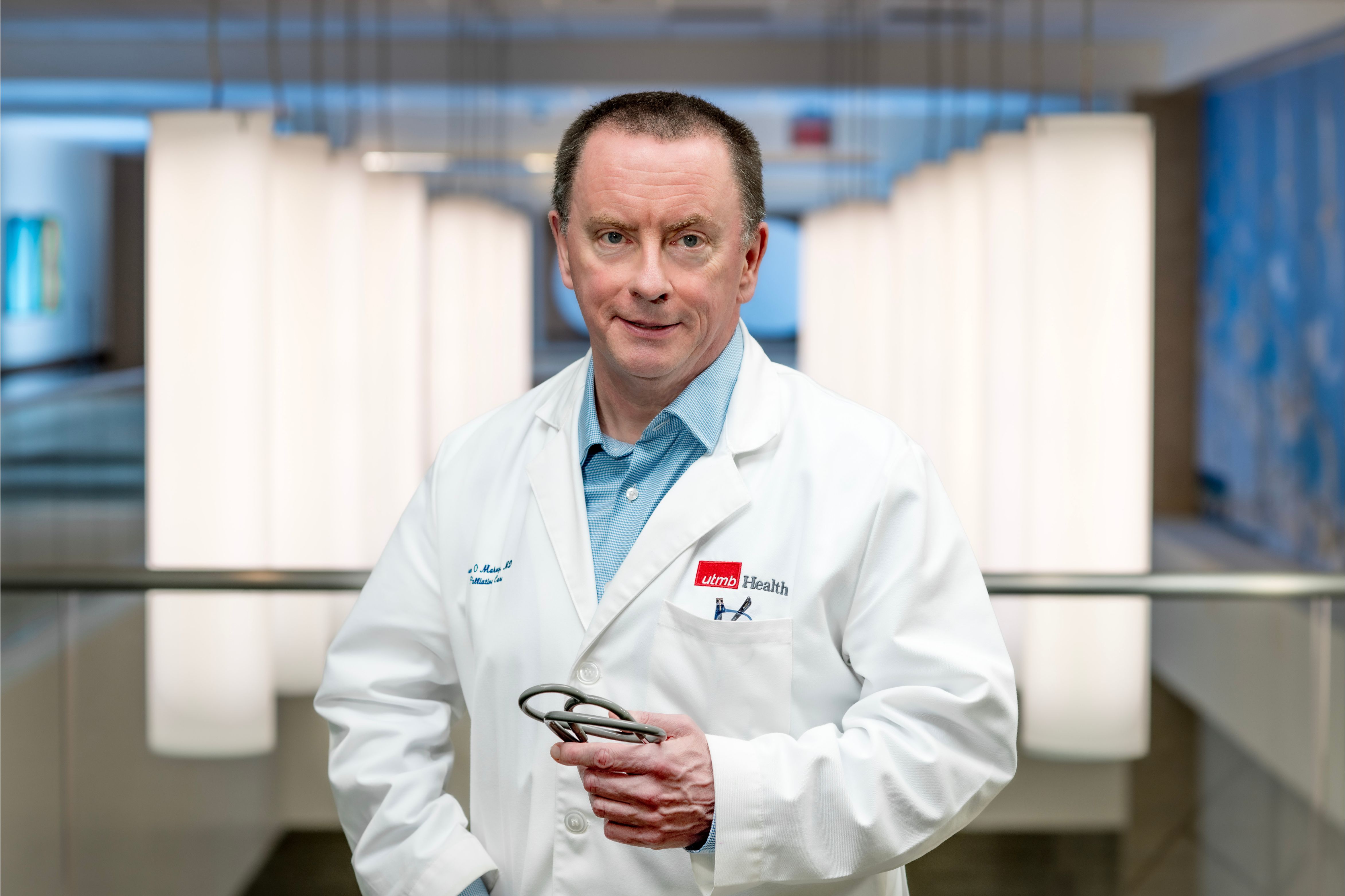
Dr. Sean O’Mahony, director of the Palliative Medicine division, came to UTMB in June, having served as professor and Director of Supportive Oncology and Section Chief at Rush University Medical Center in Chicago, and in key roles at Albert Einstein College of Medicine and Memorial Sloan-Kettering Cancer Center.
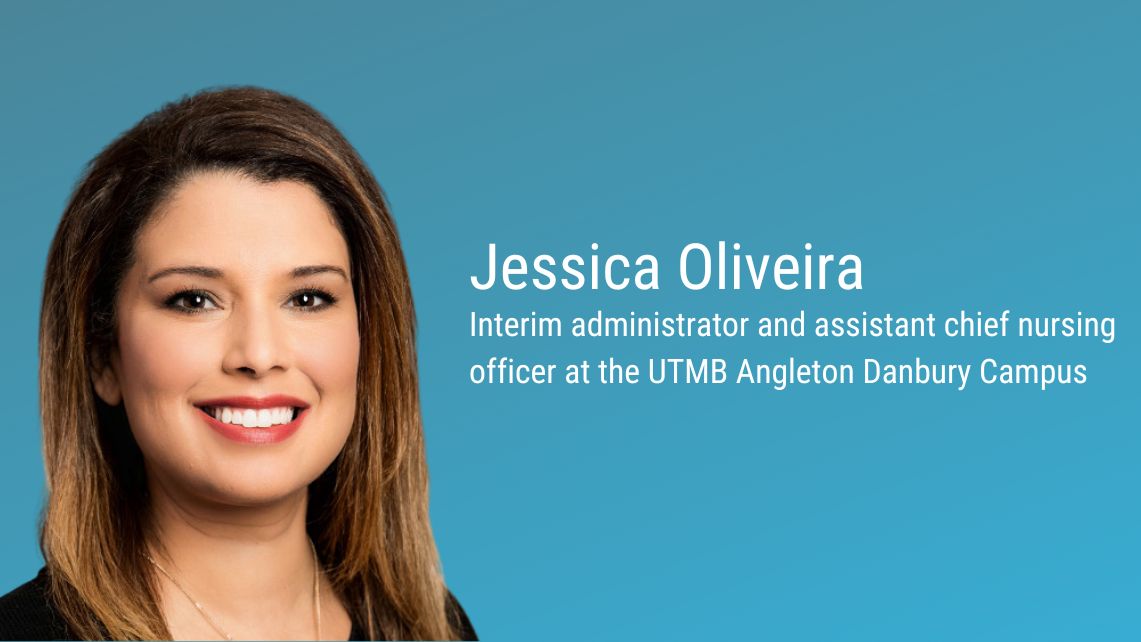
Jessica Oliveira, a University of Texas Medical Branch employee since 2020, has taken over as interim administrator and assistant chief nursing officer at UTMB’s Angleton Danbury Campus.
The University of Texas Medical Branch has announced a groundbreaking collaboration with NIPOKA, a leading German-based company specializing in advanced diagnostic technologies for kidney research. With over 35 million adults in the U.S. affected by chronic kidney disease, and millions more worldwide, the need for accurate diagnostics has never been more critical. This partnership aims to develop first-of-its-kind diagnostic tests that could transform the way kidney patients are diagnosed, treated, and monitored.

Exercise is important … everyone knows that. But let’s be real, everyone also knows that getting started on and sticking to a fitness plan is easier said than done. That’s where the Preventive Medicine Initiative Heart & Soul 5K, taking place March 8, comes in.
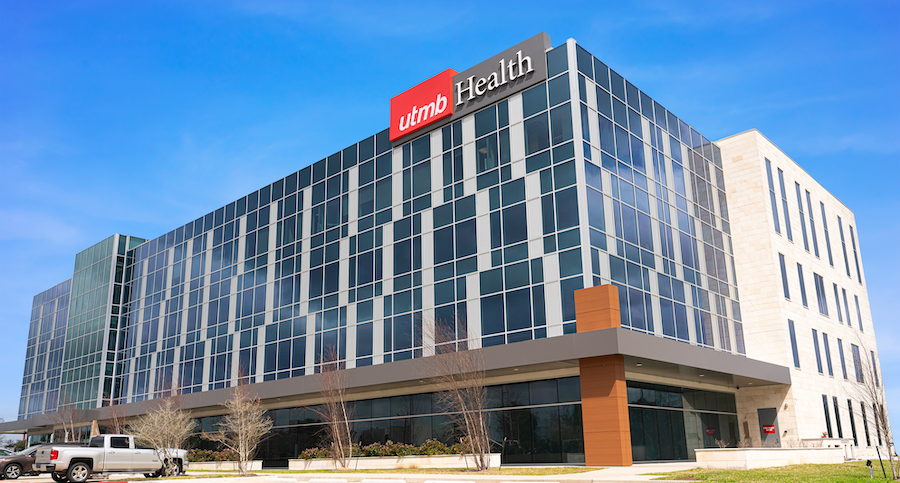
The UTMB Health Pediatric and Adult Primary Care Clinic in Friendswood will open its doors at a new location at 1715 S. Friendswood Dr., Friendswood on March 10. The new clinic will have the same hours of operation, but will offer expanded services and specialties.
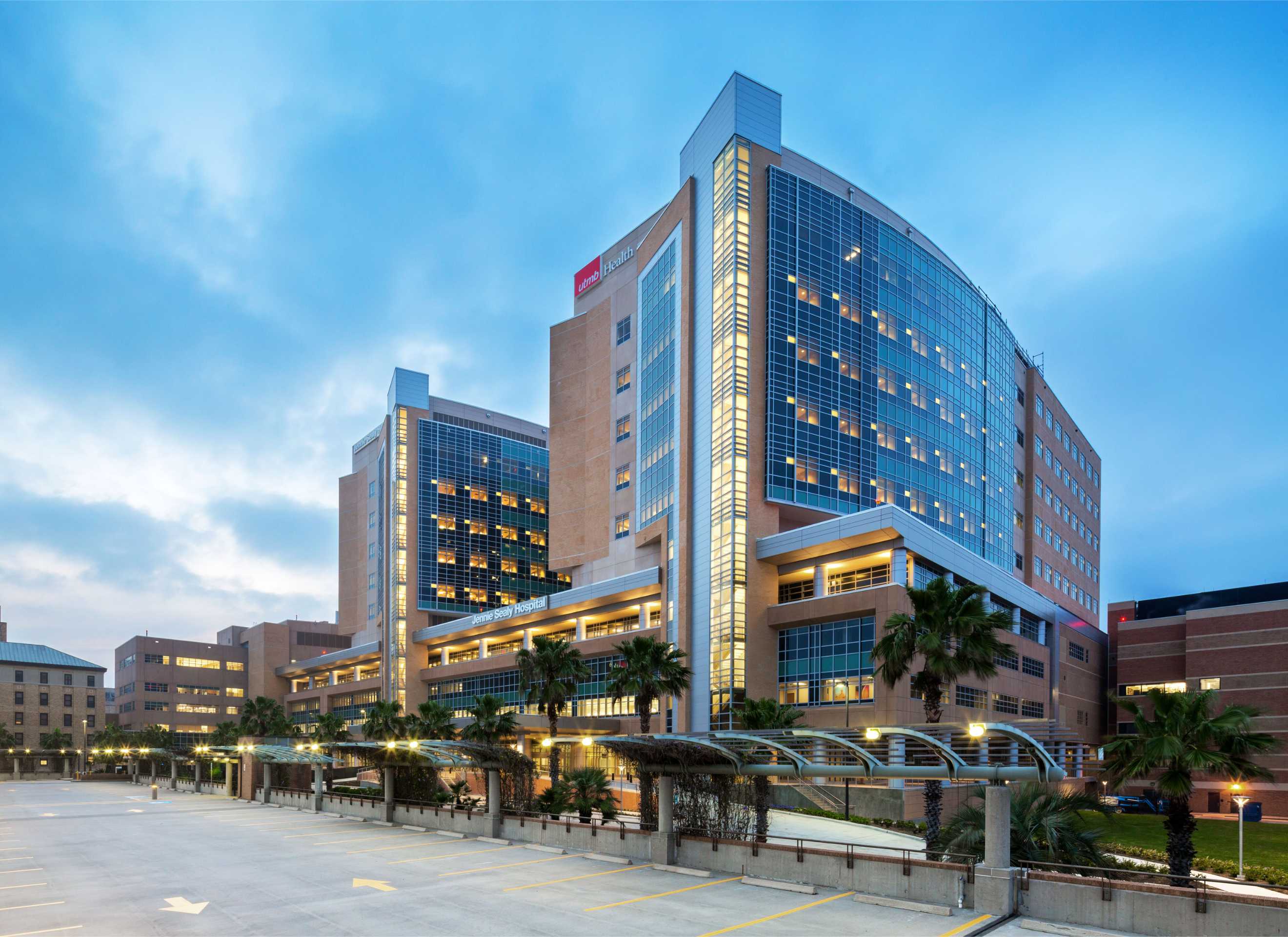
The University of Texas Medical Branch and Aetna, a CVS Health business, have reached a multi-year agreement that brings UTMB facilities and providers in network for most Aetna health plan participants, effective immediately.

A new study from researchers at the University of Texas Medical Branch has found that individuals with a history of herpes simplex virus (HSV) infections face a significantly higher risk of developing dementia, including Alzheimer’s disease. The findings, published in the Journal of Alzheimer’s Disease, highlight a critical link between HSV-1, which primarily causes oral herpes, and HSV-2 infections, which cause genital herpes, and neurodegenerative disease progression.
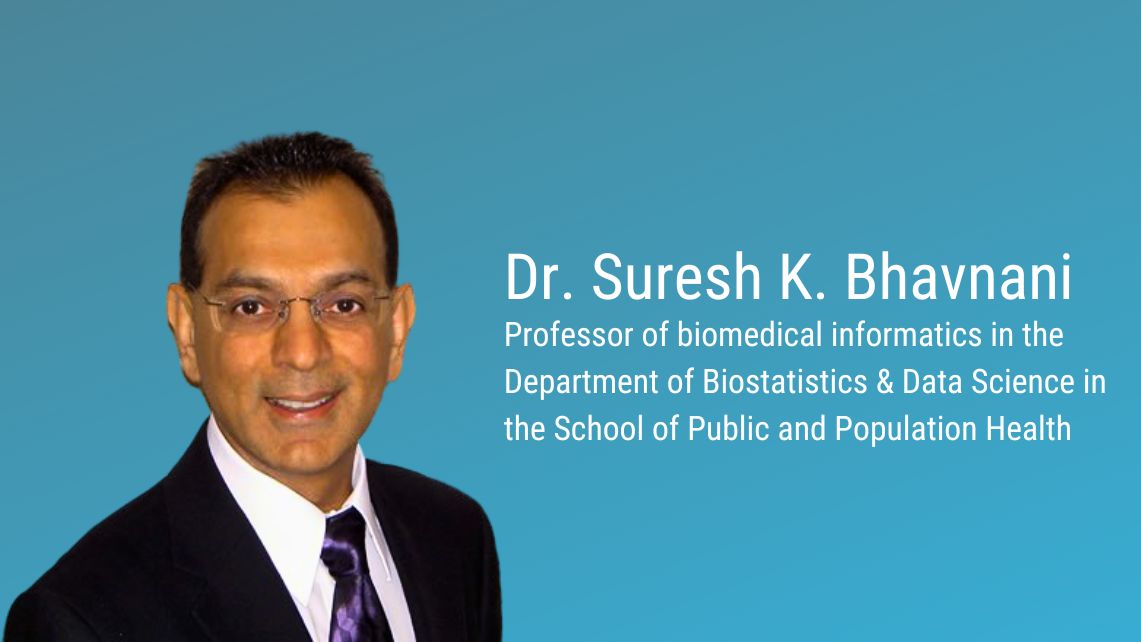
A new study led by researchers at The University of Texas Medical Branch (UTMB) and other partner institutions leverages artificial intelligence (AI) to uncover how such nonmedical factors occur together across patients and their risks for outcomes. Findings published in the Journal of Medical Internet Research, a leading medical informatics journal, offer new insights into how combinations of nonmedical factors provide a foundation for more precisely targeted health care policies.

Researchers from the University of Texas Medical Branch recently published in The Journal of the American Academy of Dermatology a study on the safety of benzoyl peroxide in acne treatment. The study reinforces the safety of benzoyl peroxide as a standard-of-care treatment for acne by investigating its potential impact on cancer risk.
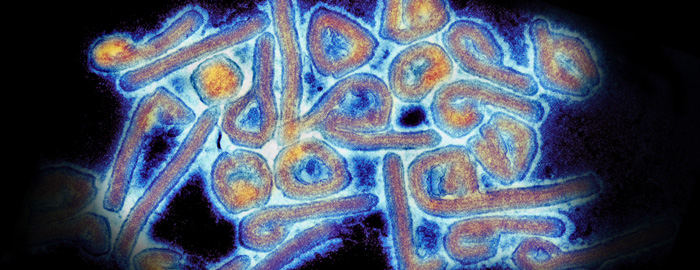
Oral obeldesivir, an anti-viral drug, prevents Marburg disease in non-human primates according to research conducted at the University of Texas Medical Branch’s Galveston National Laboratory, in collaboration with Gilead Sciences and the National Institute of Allergy and Infectious Diseases.
.png?sfvrsn=9f434255_1 "MicrosoftTeams-image (30)")
The University of Texas Medical Branch is making waves this week at the World Economic Forum's annual meeting in Davos, Switzerland, by highlighting the critical importance of brain health on a global scale.
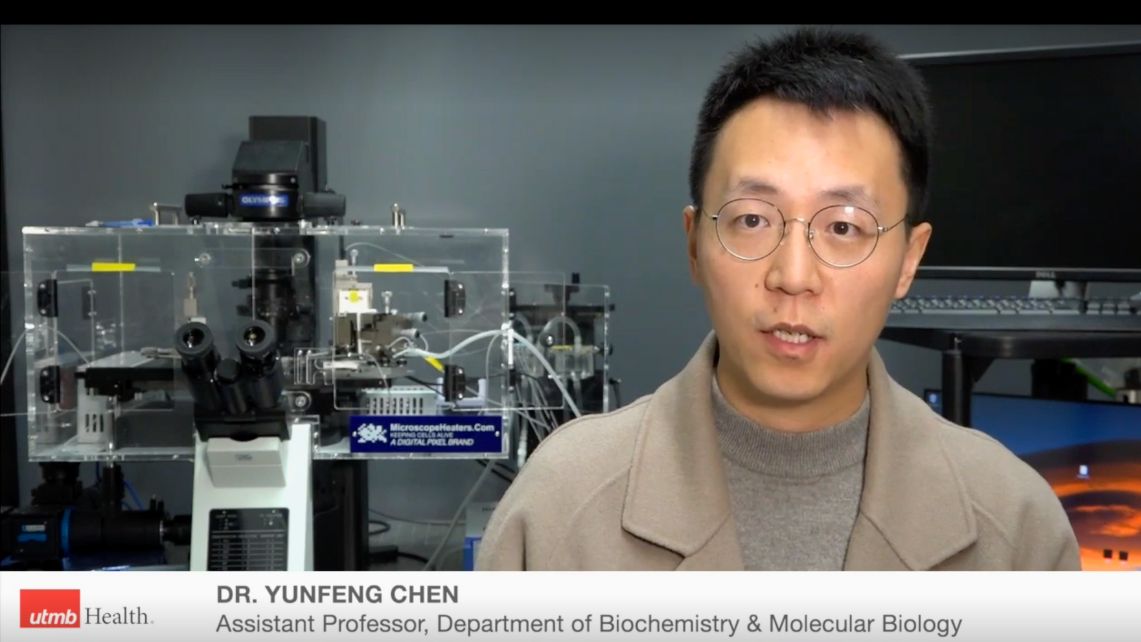
"In this study, we're trying to see how mechanobiology could help researchers and clinicians make better diagnosis of the thrombotic risks, especially the risk of arterial thrombosis that are closely associated with cardiovascular diseases," says Dr. Yunfeng Chen, assistant professor of biochemistry and molecular biology at University of Texas Medical Branch.
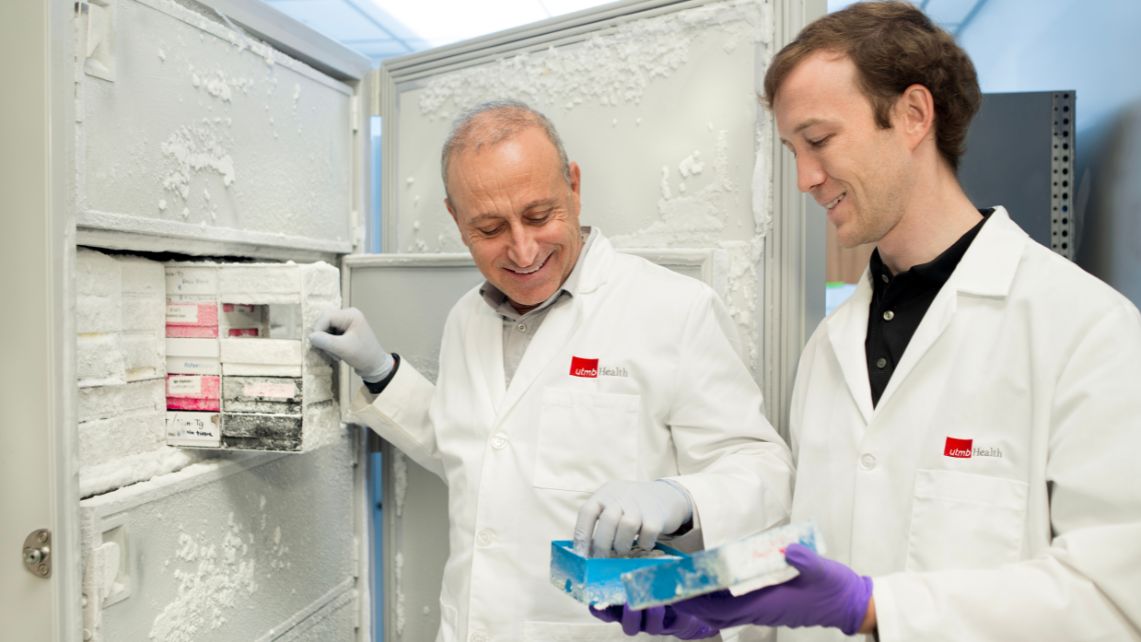
"Science is a journey. You might start with a belief or an idea, but ultimately, you go where the science takes you," says Dr. Rakez Kayed, Professor of the Mitchell Center for Neurodegenerative Disorders and John Sealy Chair for Parkinson's Research at the University of Texas Medical Branch.
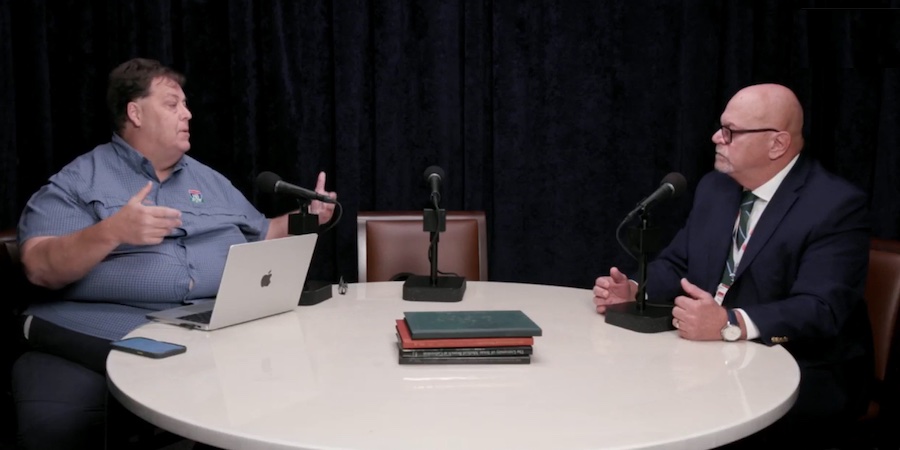
Health Care Unmasked—a monthly video interview series that features health and life science experts from UTMB dissecting topics with series host and owner of i45Now, TJ Aulds—will now be known as UTMB Health Insights.
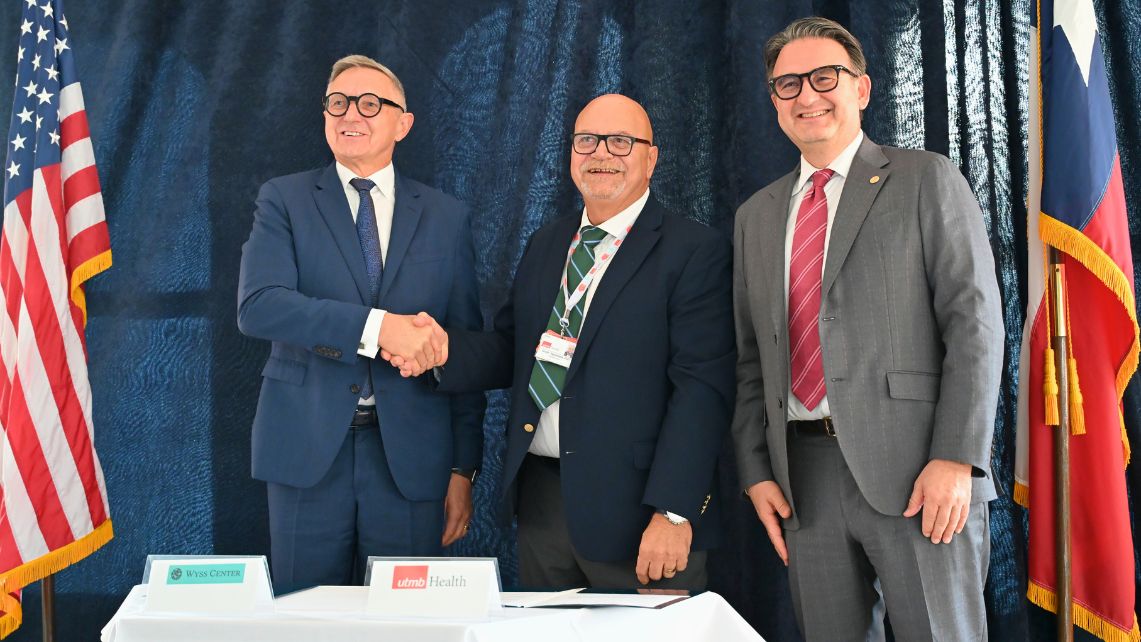
The University of Texas Medical Branch, patients in our local communities and the broader Houston-Galveston region could eventually have access to the most advanced neurological medical technologies thanks to a collaboration between UTMB and the Wyss Center, a world leading neuroengineering and neurotechnology research non-profit.
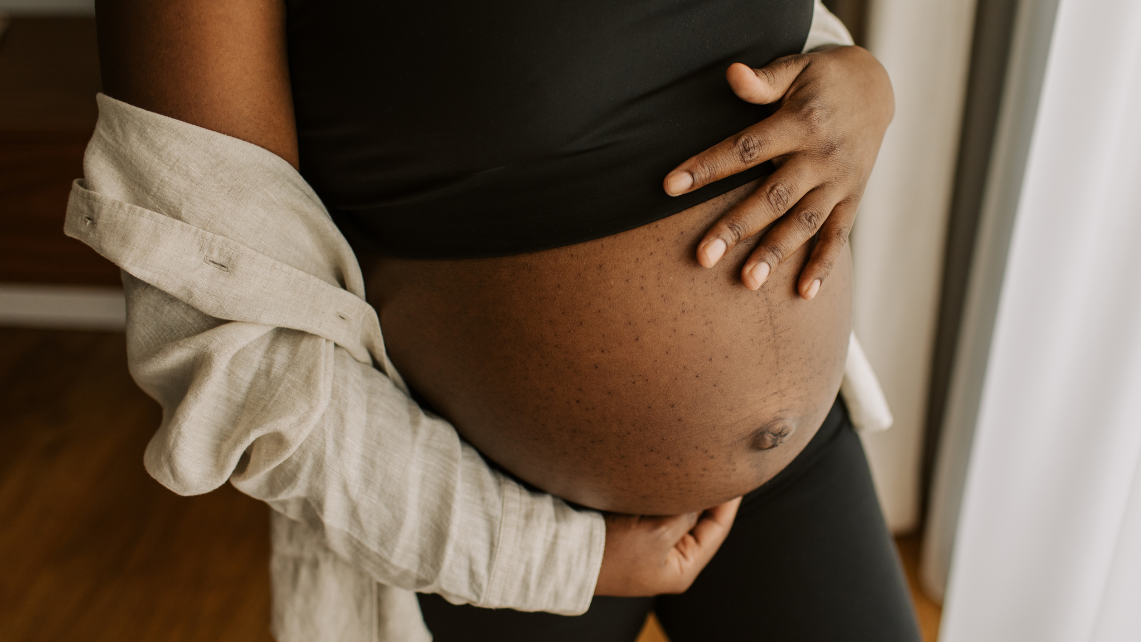
U.S. News & World Report named the University of Texas Medical Branch a 2025 High Performing Hospital for Maternity Care. The award is the highest a hospital can earn as part of U.S. News’ Best Hospitals for Maternity Care annual study.