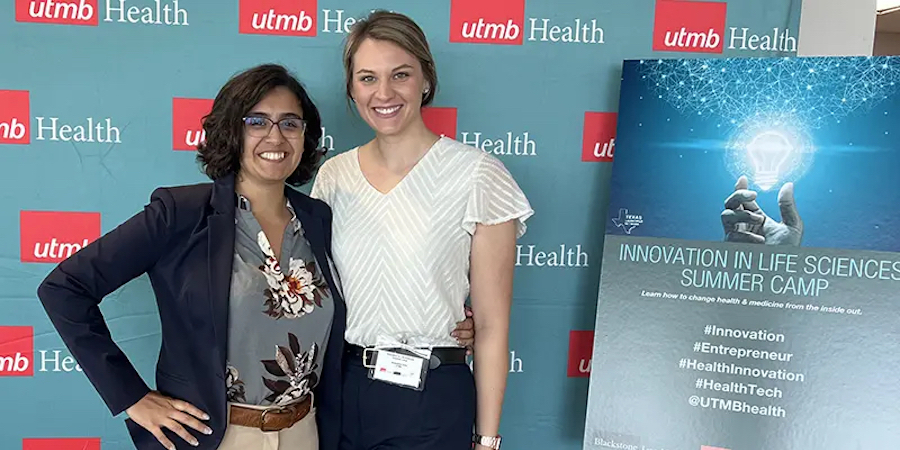
With the rising epidemic of fentanyl overdoses growing every day, two UTMB Health graduate students started Community Overdose Response and Recovery Effort (CORRE) in August 2021.
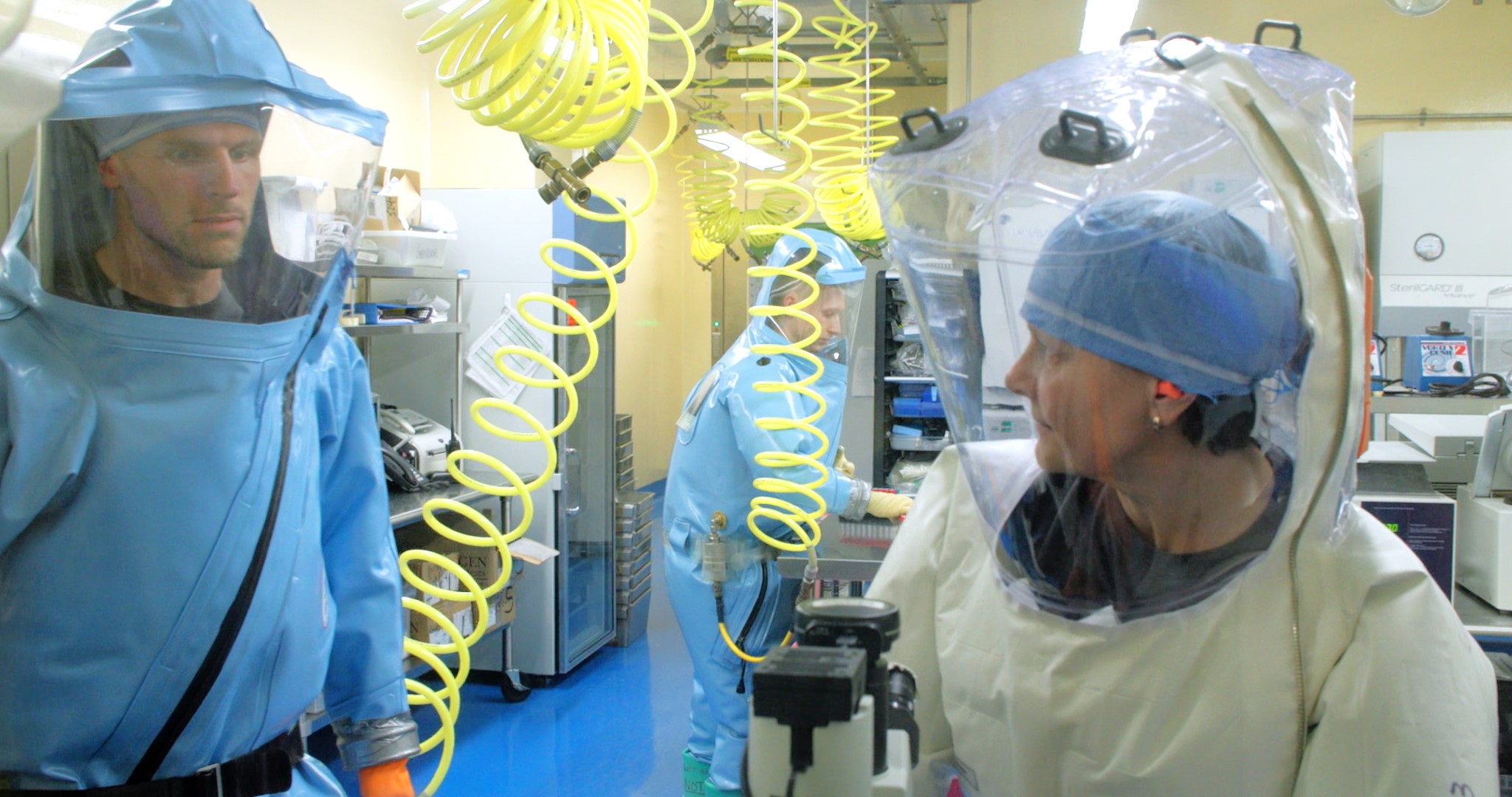
A groundbreaking study by researchers at the University of Texas Medical Branch is shedding light on a promising development in the battle against highly fatal hemorrhagic diseases caused by orthoebolaviruses, including the notorious Ebola virus.

The medical school class that started during the early days of the COVID-19 pandemic are preparing for the next chapter - and a big celebration - with this year's Match Day.
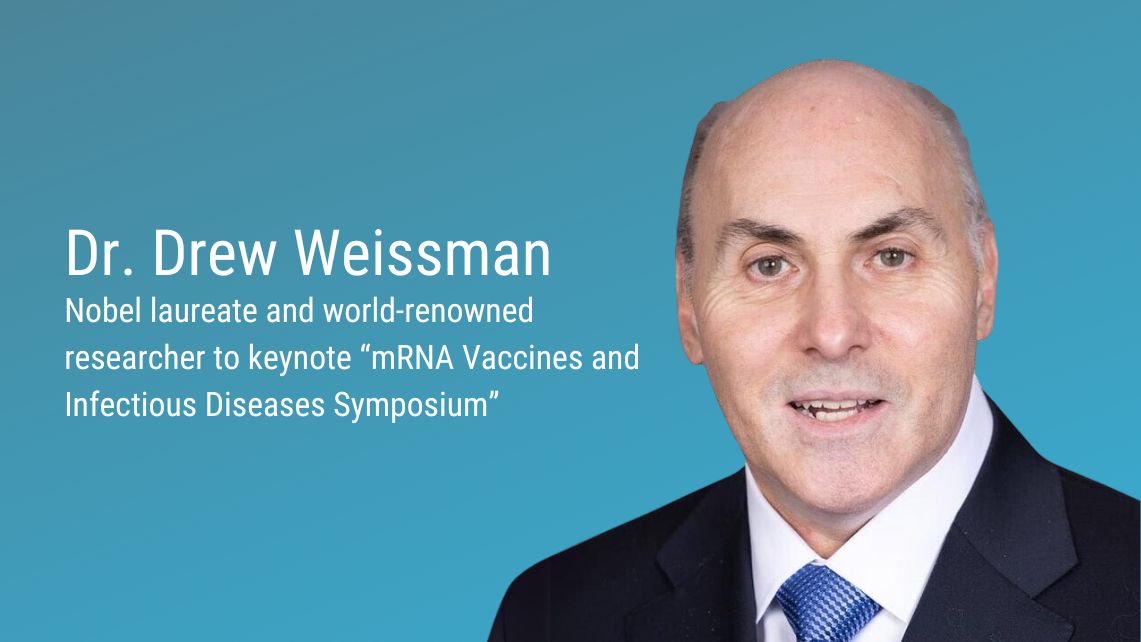
World-renowned researcher Dr. Drew Weissman will address the “mRNA Vaccines and Infectious Diseases Symposium” hosted by the The University of Texas Medical Branch (UTMB) Institute for Human Infections and Immunity.

The University of Texas Medical Branch and Texas Southern University are partners in a national effort to increase diversity and inclusion of under served communities in clinic trials.

The researchers say that the findings suggest there are sex-based disparities present in countries with very different healthcare systems and cultures, which raises questions about why women receive differential treatment.
The UT System and UTMB announced the expansion of UTMB’s Doctor of Occupational Therapy to be offered at the UT Education and Research Center at Laredo.
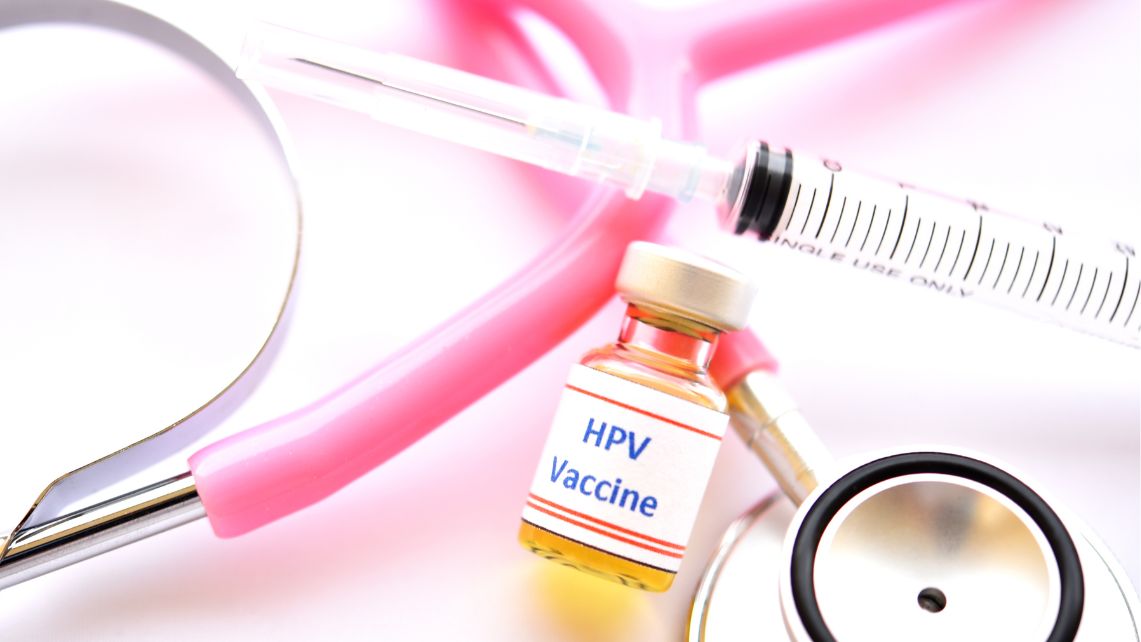
Newly published study suggests two doses of the 9-valent HPV vaccine offer similar protection as three for females 15-26.
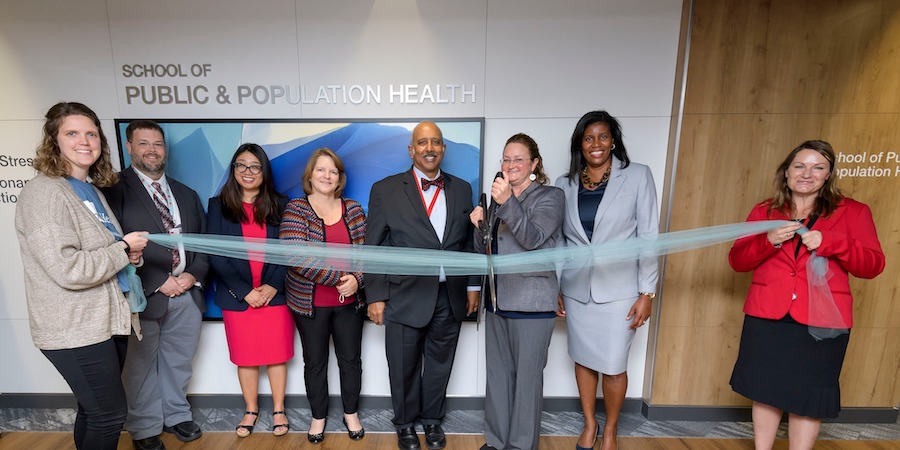
As of December 20, the UTMB School of Public and Population Health is fully accredited by the Council on Education for Public Health. The school, which formed in 2021, is now the second UT System school of public health to be recognized in this way.
.jpg?sfvrsn=71c47956_3 "Dr. Jerry A. Mansfield is vice president and system chief nursing executive at UTMB.")
Dr. Gulshan Sharma, senior vice president and chief medical & clinical innovation officer at the University of Texas Medical Branch, announced today that Dr. Jerry A. Mansfield has accepted the position of vice president and system chief nursing executive at UTMB effective Feb. 1, 2024.
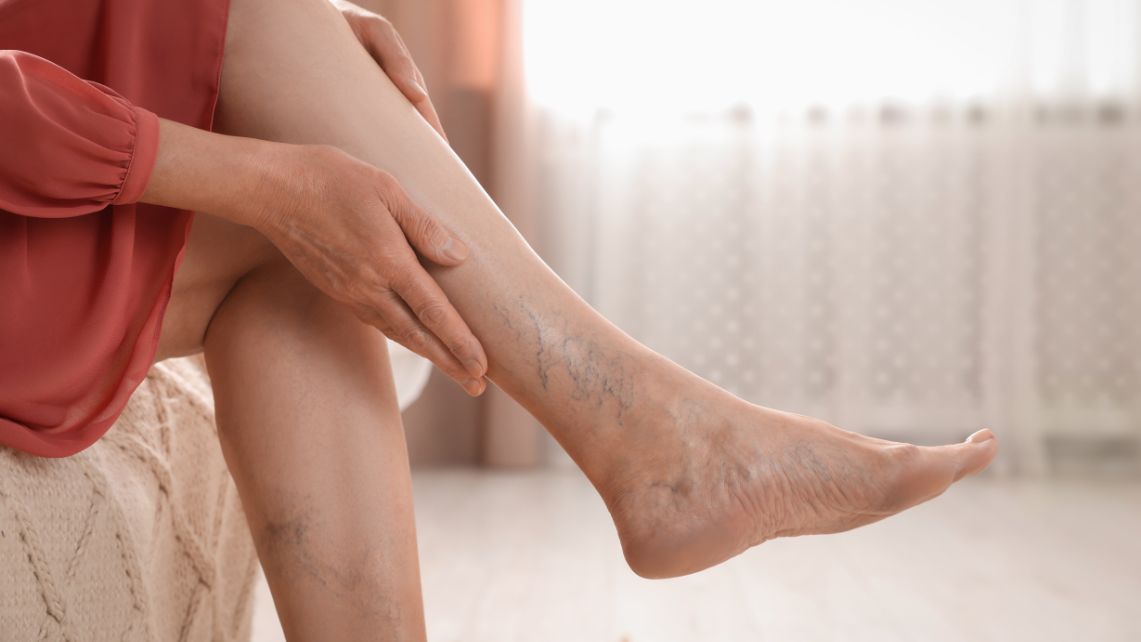
Researchers at The University of Texas Medical Branch have published findings that could help providers better evaluate the risks of venous thromboembolisms for post-menopausal women on estrogen therapy.
.jpg?sfvrsn=347b7956_7 "The UTMB Brain Health Institute announces the winners of its Pilot Grant Program, recognizing innovative research teams advancing groundbreaking discoveries in neuroscience and brain health.")
The University of Texas Medical Branch Brain Health Institute, a world-renowned neuroscience hub focused on rapidly transitioning groundbreaking discoveries in biomedical neuroscience to clinical applications, recently announced the winners of its Pilot Grant Program.
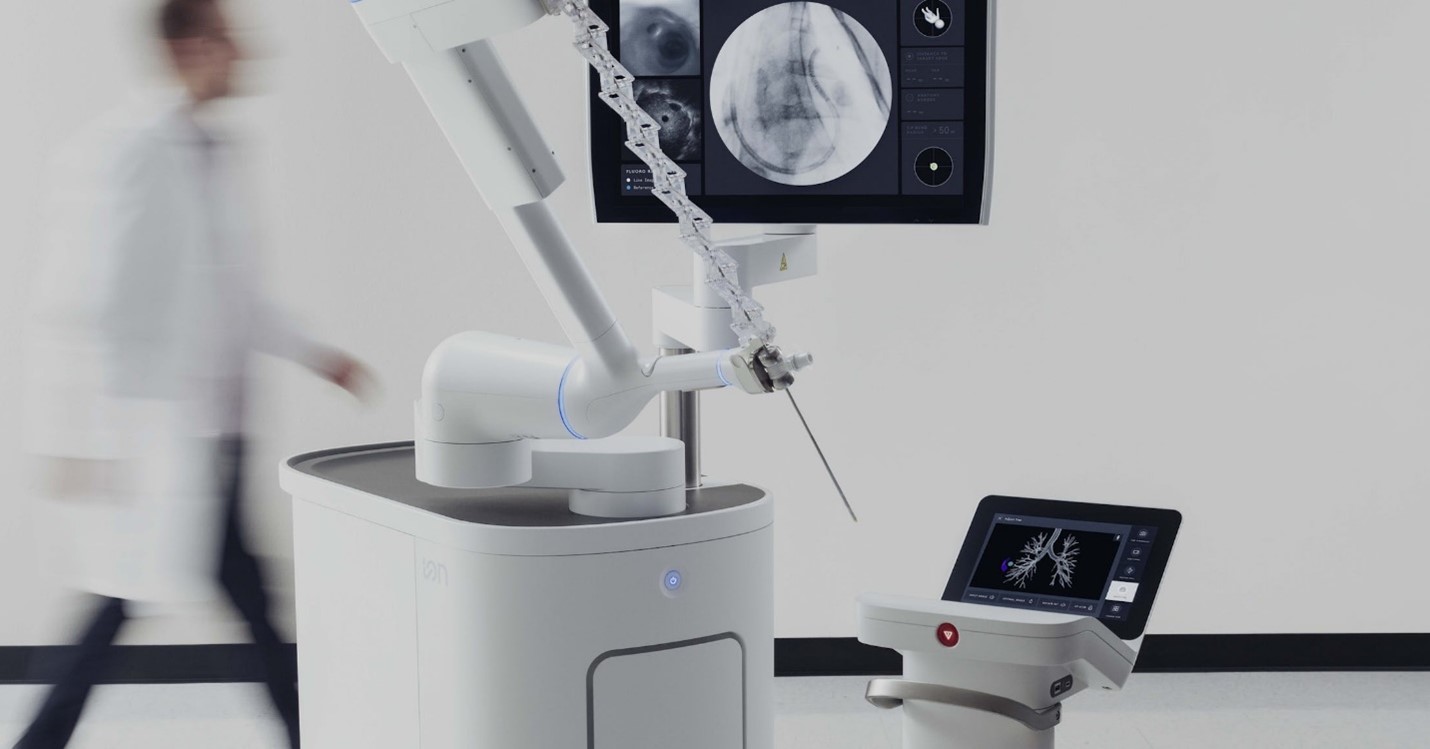
The University of Texas Medical Branch recently announced the implementation of a state-of-the-art robotic bronchoscopy system. Aimed at delivering the highest standard of care to patients, this technology is set to revolutionize diagnostic procedures in pulmonary medicine, offering unprecedented precision and minimally invasive capabilities.
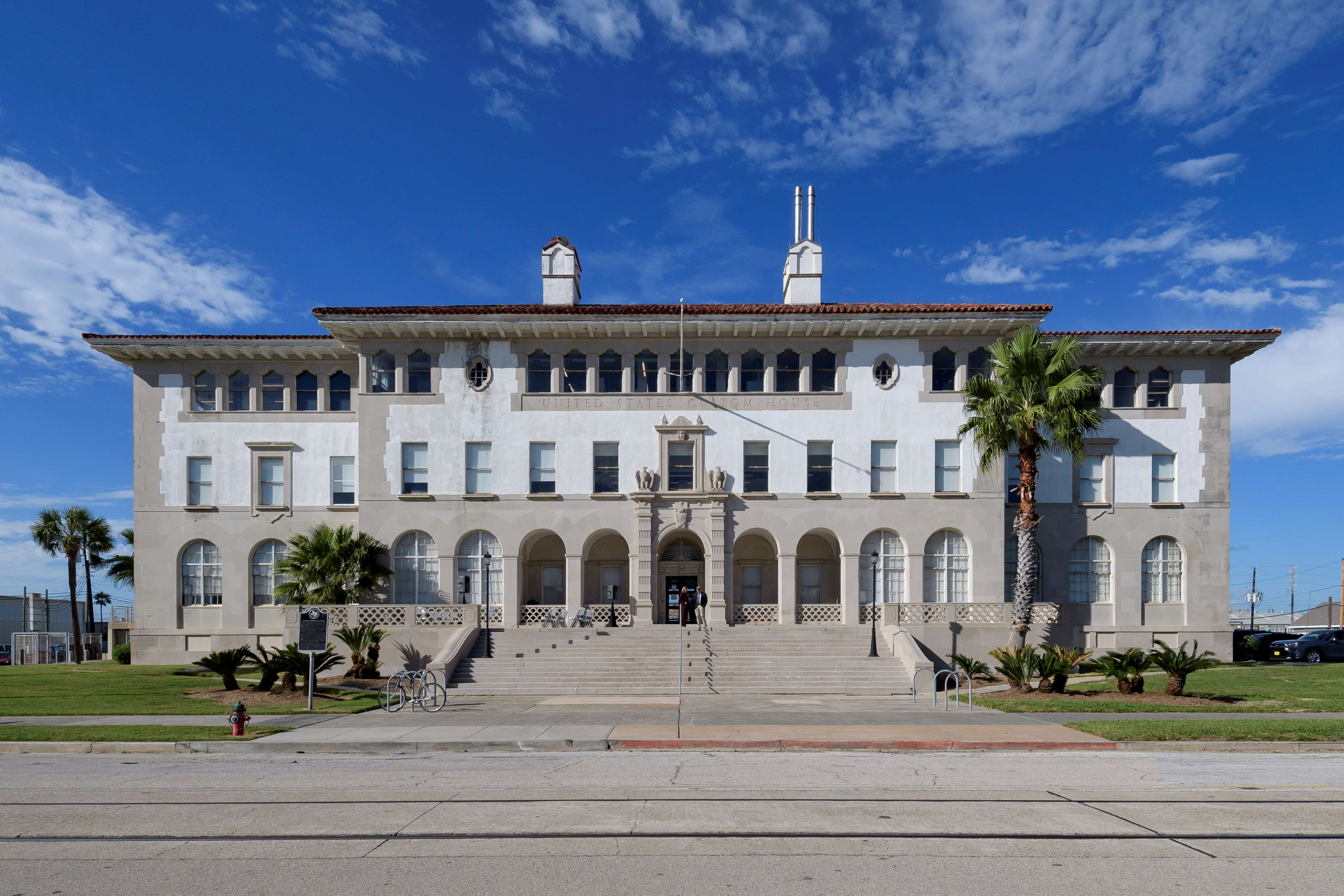
The University of Texas Medical Branch Life Science Incubator celebrated its grand opening with a Ribbon-Cutting and Open House event. This milestone marks the establishment of a cutting-edge incubator designed to support early-stage life science companies and entrepreneurs while fostering innovation and academic-industry collaboration in the field.

Researchers from the University of Texas Medical Branch and Texas Southern University have been awarded a $1 million grant from the National Institutes of Health to use human-centered artificial intelligence to tackle the social and cultural barriers that hinder timely cancer diagnoses and effective treatments in the United States.

A new study conducted by researchers at the University of Texas Medical Branch has found that electronic health interventions, including mhealth, digital health, telemedicine, and telehealth, can help Hispanic and Latino adults improve type 2 diabetes and obesity outcomes in the Americas.
UTMB sponsored Bra Dazzle 2023 is one of the can’t miss events for this year’s breast cancer awareness month, according to Houston TV station KPRC. This event helps raise money for UTMB’s Mobile Mammography program.
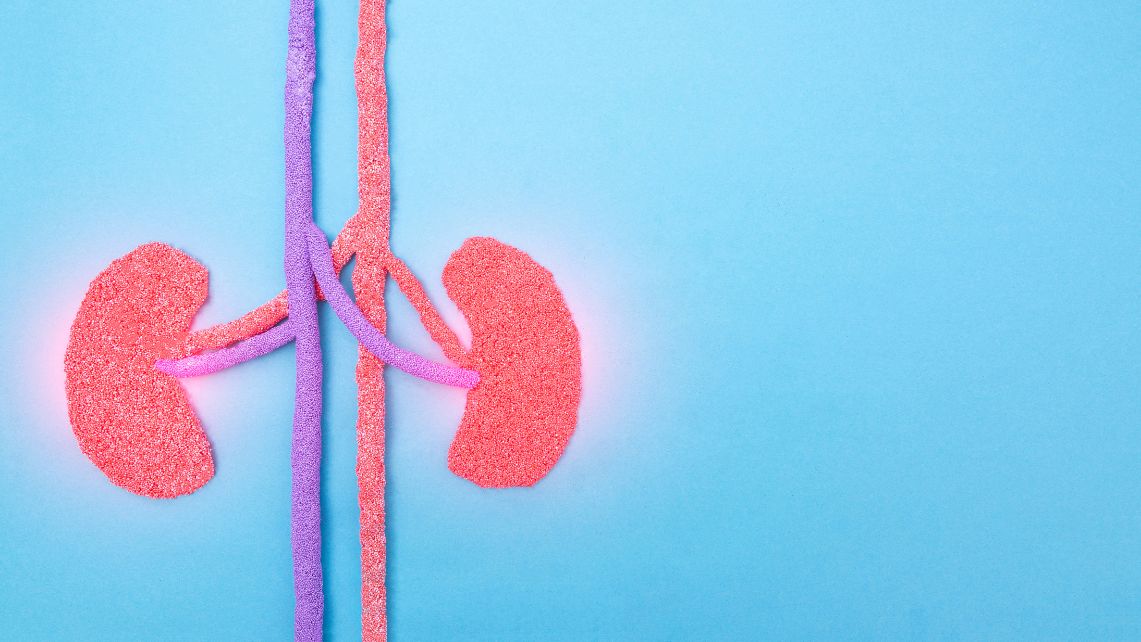
For years, researchers have worked to understand why some people with diabetes get kidney disease while others do not. A paper published in today’s edition of Science Translational Medicine may have uncovered the reason: the existence of a new type of diabetes.
UTMB was one of a three institutions in the Houston area to receive funding for cancer treatment and prevention from the state agency, Cancer Prevention and Research Institute of Texas (CPRIT). Almost $2.5 million was for expansion of a program at the University of Texas Medical Branch at Galveston that supplies HPV vaccinations for new mothers.

Although hospitals are required by law to publicly post prices for their services, it remains difficult for the public to get reliable information on what those services will cost. That’s the overall finding of a paper published Sept. 18 in in the Journal of the American Medical Association: Internal Medicine based on research out of The University of Texas Medical Branch.