
Researchers at The University of Texas Medical Branch have uncovered a promising connection between certain immune-suppressing drugs and a lower risk of dementia, including Alzheimer's disease. This research could impact how these devastating brain disorders are treated.

Study found that teens with a history of adolescent relationship abuse who participated in the Fourth R program, a 21-session healthy relationships curriculum delivered in middle or high school health classes, were less likely to recommit acts of violence years after the intervention.
Was King Tut’s curse supernatural or something more down to earth like a deadly fungus? Drs. Norbert Herzog and David Niesel review the evidence in their latest column.
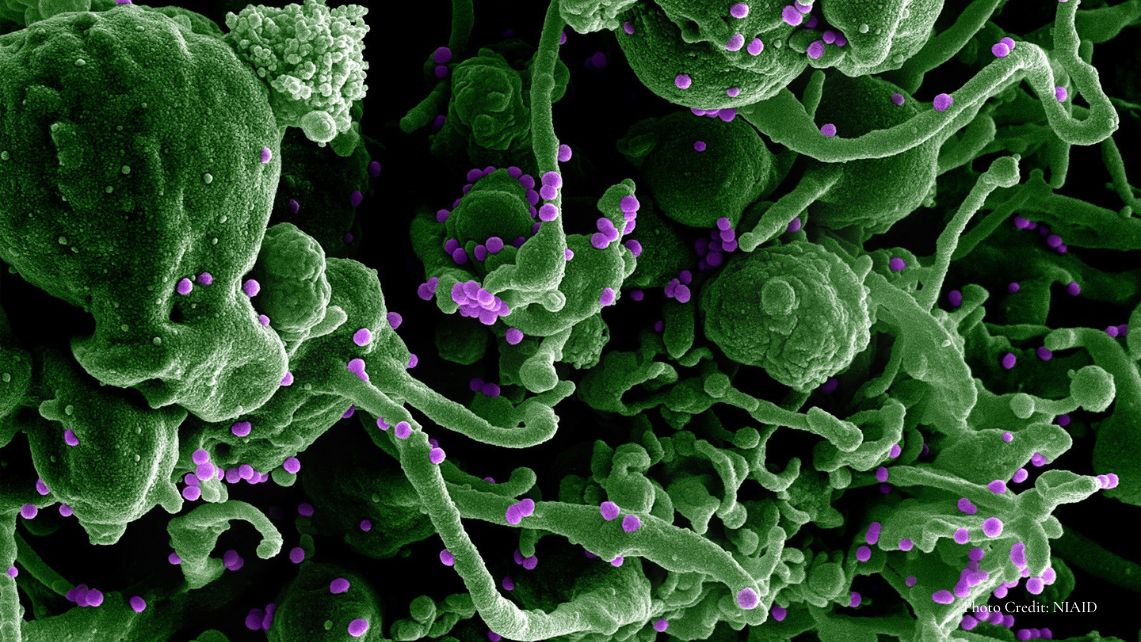
New research by The University of Texas Medical Branch potentially points to an effective treatment for Lassa fever, a dangerous, often fatal disease common to much of West Africa but considered a major threat to global health.

The It Takes a Village back-to-school fair, featuring a variety of hair services and free school supplies, is Sunday, August 20, and runs from 8 a.m. to 4 p.m. Hairstyle sign-ups end at 2 p.m., while haircut sign-ups end at 2:30 pm.
.jpg?sfvrsn=450bd157_1 "Public health (1900 × 850 px)")
The $2 million grant supports a groundbreaking study aimed at addressing firearm injury and violence among adolescents and young adults.

A clinic specifically designed to educate, manage and treat patients with chronic obstructive pulmonary disease means fewer emergency room visits for patients, according to a new study.
Dr. Joseph Gosnell, chief resident physician of pathology at The University of Texas Medical Branch, is an official 2023 Emerging Liver Scholar Award winner.
Apart from its erratic effects on humans, forecasting West Nile virus outbreaks remain a challenge. Dr. Scott Weaver, a leading medical entomologist and virologist at The University of Texas Medical Branch in Galveston, said the virus is “very widespread, still zoonotic...[and although] it's transmitted more efficiently by Culex mosquitoes when it's hot, it does well both in drought and rainy conditions.”
Health officials, city council members, police officers and trauma doctors gathered Thursday at a Houston City Council meeting to discuss how to prevent both intentional and accidental shootings. “As a pediatric surgeon, I’m tired of seeing these children come in every day to the ER. I’m tired of holding them as they die and as they suffer," said Dr. Bindi Naik-Mathuria with The University of Texas Medical Branch.
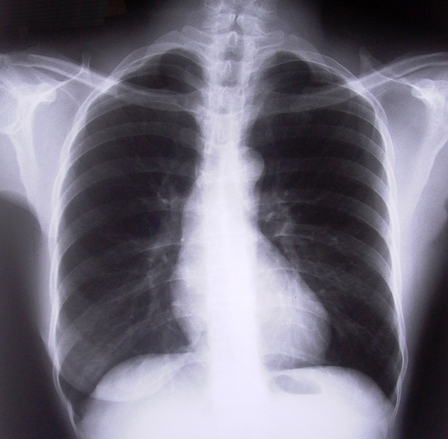
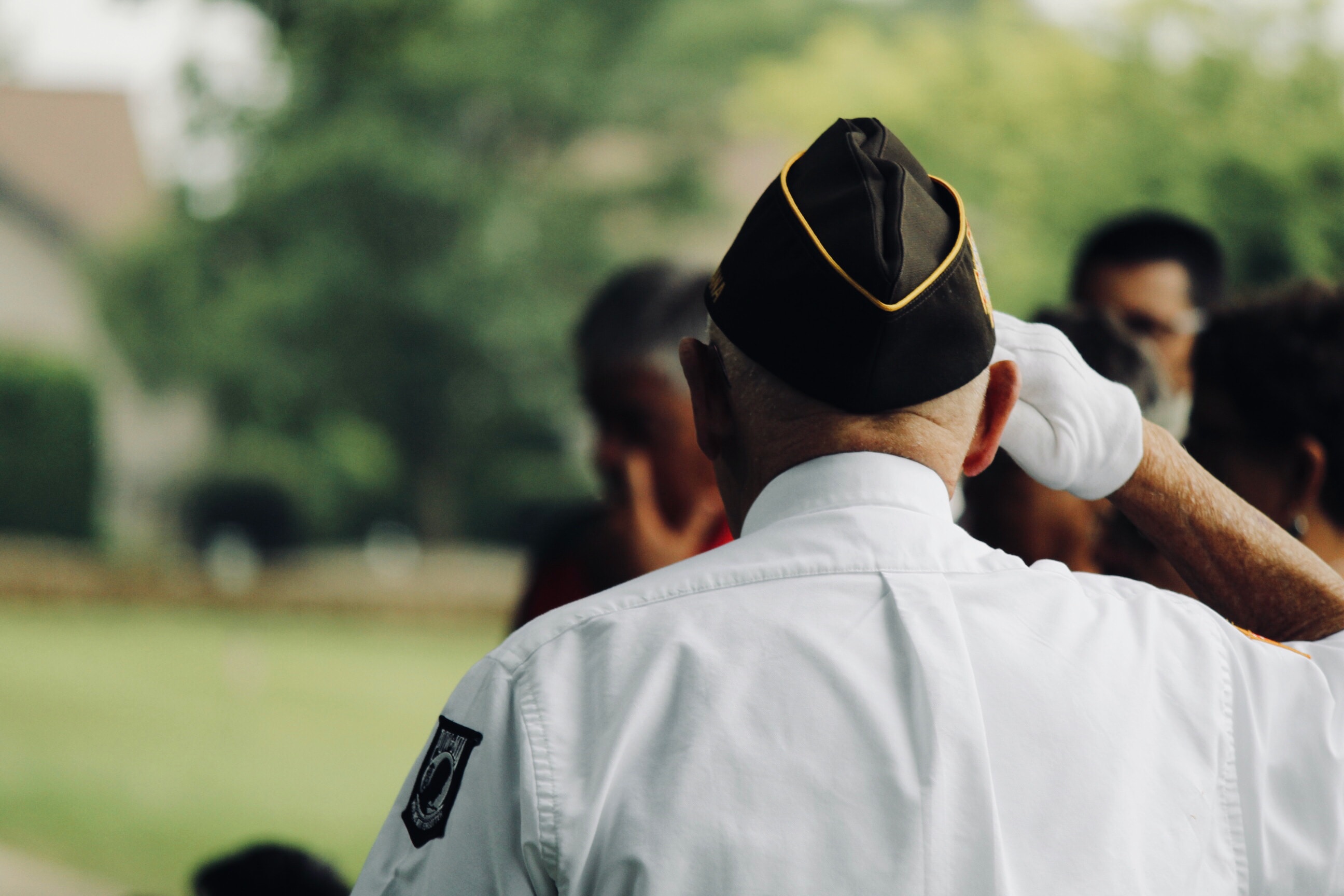
Exposure to Agent Orange is linked to a slightly increased risk of bladder cancer according to a study published today in the Journal of the American Medical Association by researchers at the University of Texas Medical Branch.
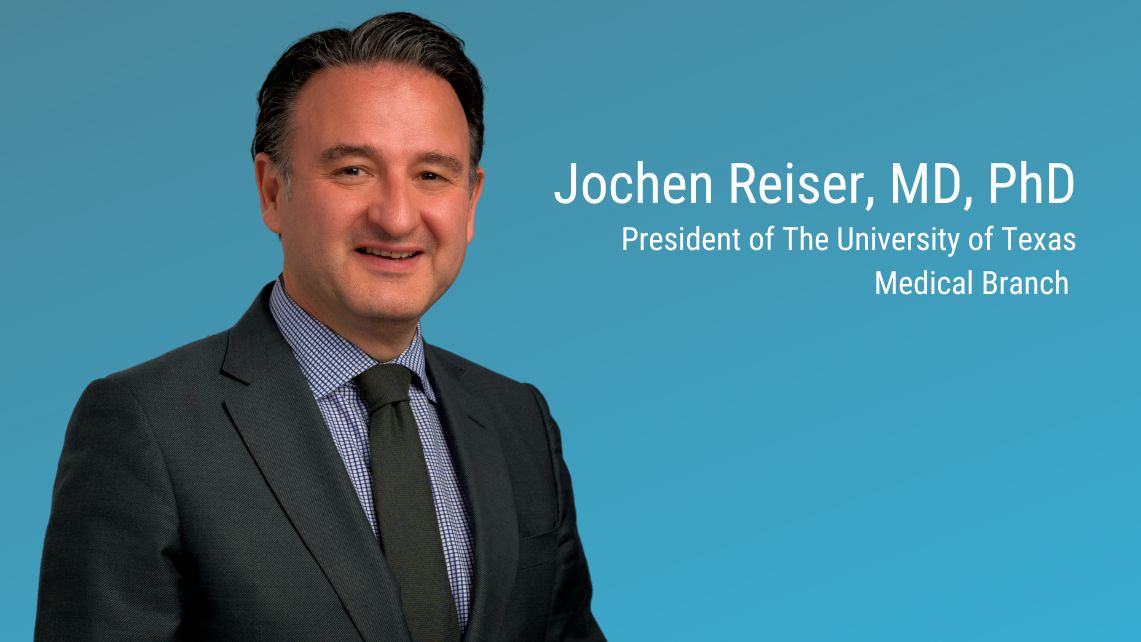
The University of Texas System Board of Regents appointed Jochen Reiser, MD, PhD, as the next president of The University of Texas Medical Branch in Galveston.
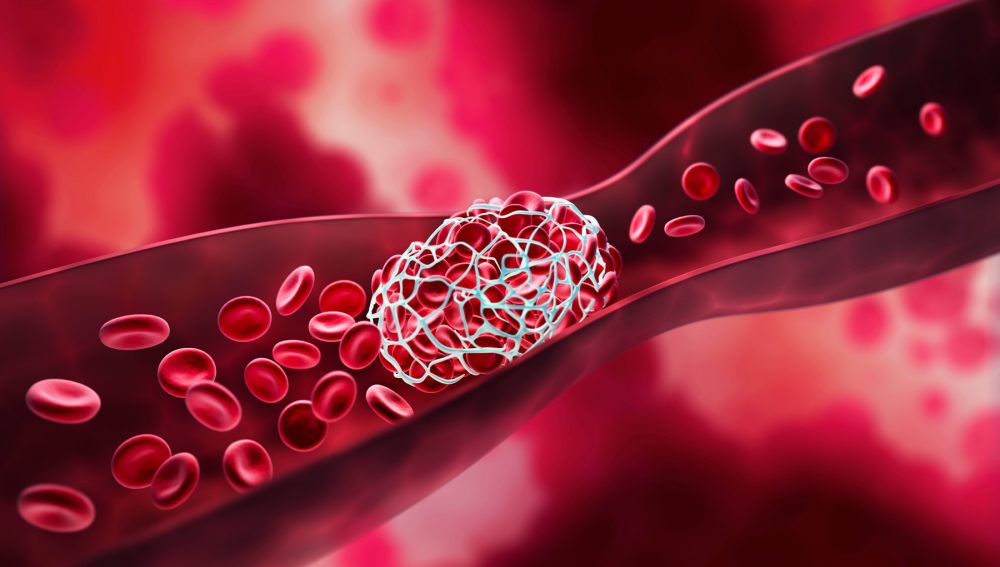
Researchers at the University of Texas Medical Branch recently compared the two treatments for acute stroke and found that one type of treatment has a lower mortality rate.
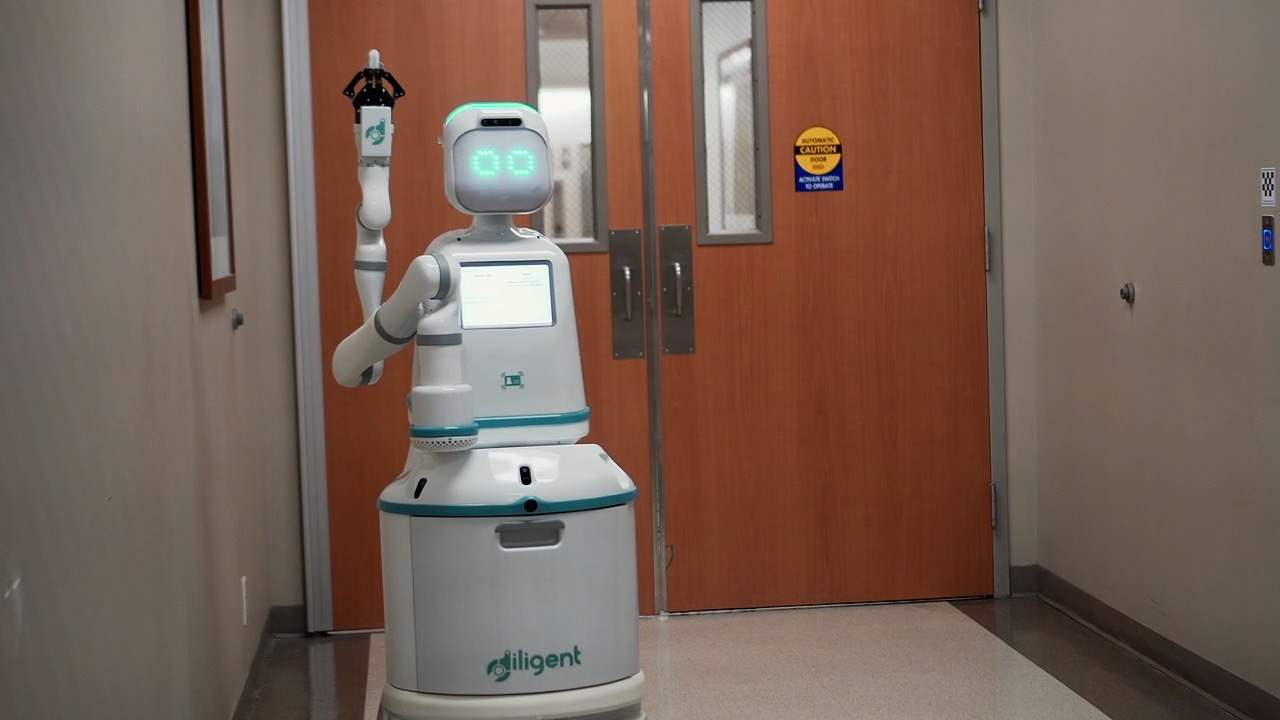
The University of Texas Medical Branch welcomed some new staff members at the Angleton Danbury campus this week: two nearly life-sized robots programmed to support the human staff and free up nurses from certain tasks to allow them more time to spend with patients.

With firearm injury now the leading cause of death in children and adolescents in the U.S., researchers at the University of Texas Medical Branch are working to fully define the spectrum of fatal and nonfatal firearm injuries to guide efforts to address this public health crisis.
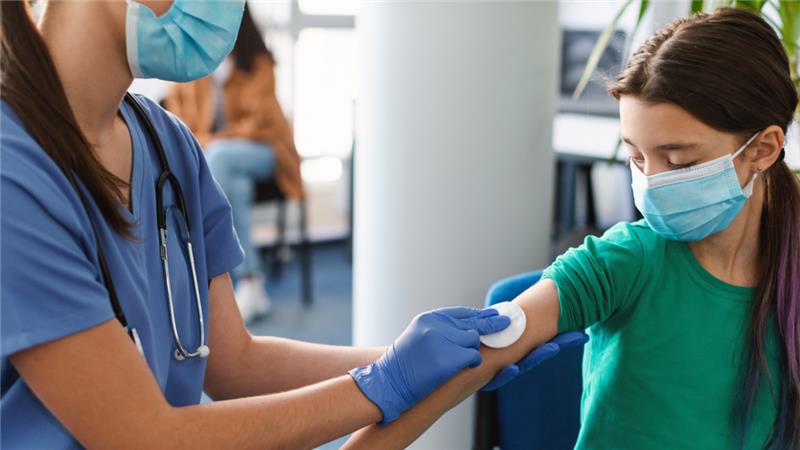
In February, the Cancer Prevention and Research Institute of Texas awarded Dr. Ana M. Rodriguez and her research team a $2.26 million grant to help fight human papillomavirus related cancers. Texas has one of the lowest HPV vaccination rates in the country, and in the Rio Grande Valley, young people are at a higher risk of developing HPV-related cancers.
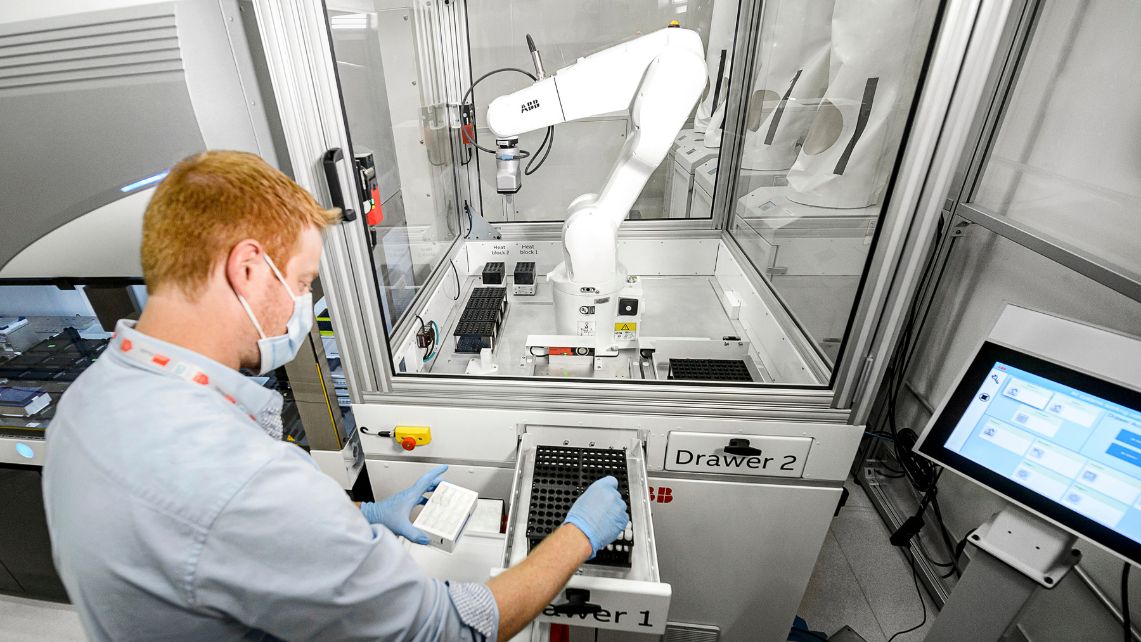
Imagine if one test could tell you if you were protected from the latest COVID-19 variant. A partnership between state-of-the-art robotics and cutting-edge medical research will allow doctors at The University of Texas Medical Branch (UTMB) to give their patients more personalized and useful information.

Volunteers are needed across all UTMB campuses in a number of clinical service areas.
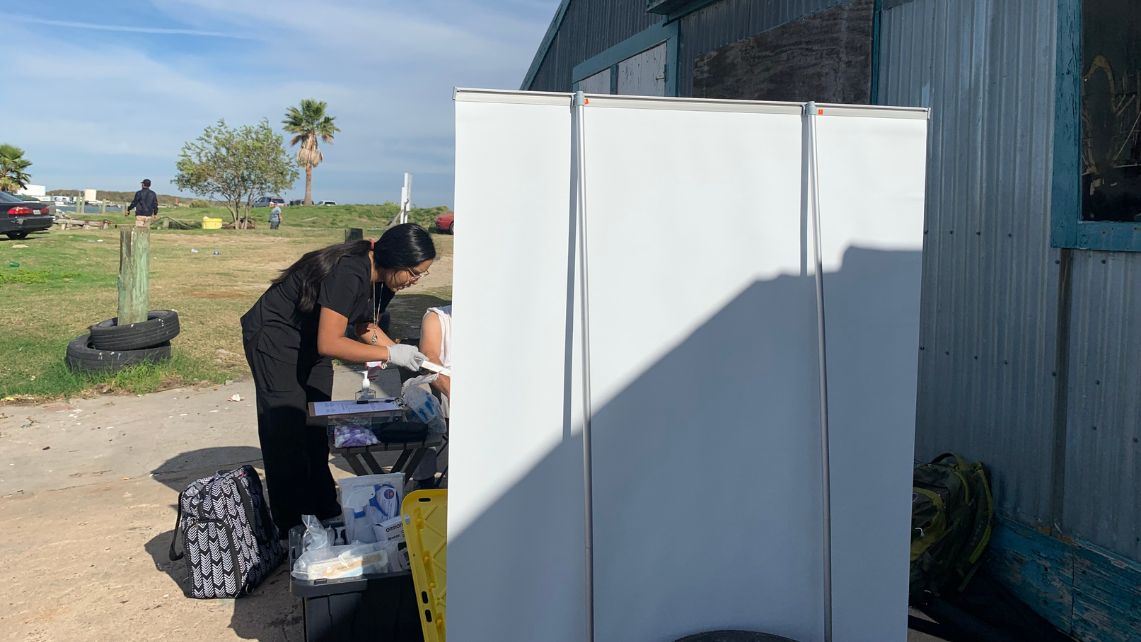
University of Texas Medical Branch researcher Dr. Shannon Guillot-Wright was awarded a $660,000 grant from the Centers for Disease Control and Prevention to fund a five-year research project to address health disparities for commercial fishermen.