Personalized care for better digestive health
Whether you’re experiencing chronic reflux, hiatal hernias, or any other condition related to your esophagus or stomach, UTMB Health can provide the relief you need. Our gastrointestinal (GI) surgeons use leading-edge techniques to deliver precise, effective treatment for these and other esophagogastric and upper GI conditions. With a comprehensive evaluation and treatment plan, you'll be on the road to recovery and back to feeling your best.
Conditions We Treat
Achalasia
Overview:
One of the most well-known motility disorders is achalasia, a rare condition in which the lower esophageal sphincter (the valve between the esophagus and stomach) fails to relax properly. This makes it difficult for food to pass into the stomach and often leads to symptoms like chest pain, regurgitation, or feeling like food is “stuck.”
Common Symptoms:
- Symptoms can lead to eating avoidance and nutritional deficiencies, and include:
- Difficulty swallowing (dysphagia)
- Regurgitation of undigested food
- Chest pain
- Weight loss
- Coughing or choking during meals
Treatments/Procedures:
Treatment options for achalasia aim to relieve the symptoms by facilitating the passage of food through the lower esophageal sphincter. Options include:
- Pneumatic dilation: A procedure where a balloon is inserted into the esophagus and inflated to widen the lower esophageal sphincter. This method may require repeat procedures over time.
- Laparoscopic Heller myotomy: A surgical procedure that involves cutting the muscles at the lower end of the esophagus to allow easier passage of food. This surgery is often performed minimally invasively and is considered when other treatments have failed or are not suitable.
- Peroral endoscopic myotomy: A newer, minimally invasive endoscopic procedure that involves making an incision in the inner lining of the esophagus to access and cut the lower esophageal sphincter muscles. This technique has shown promising results in both adults and children, with the potential for fewer complications and a shorter recovery time compared to traditional surgery.
- Botox: Botox injections provide temporary relief for patients who are poor candidates for definitive therapy and may help predict responses to other procedures, such as POEM or Heller myotomy.
Achalasia Variants
Overview:
Achalasia variants are different types of the same condition where the esophagus muscles do not work properly. In these types, the lower esophageal sphincter may not relax normally, and the esophagus may move food poorly or in unusual ways. These differences can affect how severe the symptoms are and how doctors choose to treat the problem. Early care can help prevent complications.
Common Symptoms:
- Trouble swallowing food or liquids
- Chest discomfort or pressure
- Regurgitation of food
- Heartburn or burning in the chest
- Cough or choking during meals
Treatments & Procedures:
- Medications to relax the esophagus muscles (e.g., nitrates or calcium channel blockers)
- Esophageal dilation (stretching lower esophagus)
- Surgery like Heller myotomy
- Less commonly, endoscopic procedures such as POEM (Peroral Endoscopic Myotomy)
- Lifestyle tips, like eating slowly, drinking water with meals, and cutting food into small pieces
Chronic GERD
Overview:
Chronic GERD happens when stomach acid regularly flows back into the esophagus over a long period. This can irritate the lining of the esophagus and sometimes lead to inflammation. People with chronic GERD often need ongoing care to manage symptoms and prevent long-term damage. Doctors may recommend lifestyle changes, medicines, or other treatments depending on how often and how badly symptoms occur.
Common Symptoms:
- Heartburn
- Acid reflux
- Chest discomfort
- Regurgitation of food or liquid
- Cough or sore throat
Treatments & Procedures:
- Eat smaller meals
- Avoid lying down after eating
- Limit spicy or acidic foods
- Lose weight if needed
- Antacids for quick relief
- Acid-reducing medicines like Famotidine
- Stronger acid blockers like Omeprazole
- Surgery in severe cases
Early-Stage Esophageal Cancer
Overview:
Early-stage esophageal cancer occurs when cancer cells start growing in the lining of the esophagus but haven’t spread to deeper layers or other organs. Catching it early allows doctors to treat it more effectively. Diagnosis is usually made using endoscopy and biopsy. Treating it at this stage reduces the risk of the cancer growing and causing serious swallowing problems or spreading.
Common Symptoms:
- Mild difficulty swallowing (especially solid foods)
- Heartburn or acid reflux that doesn’t go away
- Chest discomfort or pressure
- Unexplained weight loss (sometimes)
- Occasional vomiting or blood in vomit/stool (rare)
Treatments & Procedures:
- Endoscopic removal of the tumor (endoscopic mucosal resection)
- Surgery to remove part of the esophagus (esophagectomy) if needed
- Chemotherapy or radiation in select cases
- Regular follow-up endoscopy to check for recurrence
Early-Stage Stomach Cancer
Overview:
Early-stage stomach cancer happens when cancer cells start growing in the stomach lining but have not spread deeply or to other parts of the body. Detecting it early gives the best chance for successful treatment. Doctors usually look for abnormal tissue through endoscopy and biopsy to confirm the diagnosis. Early care can prevent the cancer from growing and spreading further.
Common Symptoms:
- Often no symptoms early on
- Mild stomach discomfort or bloating
- Feeling full quickly
- Nausea
- Occasional vomiting or blood in stool (rare)
Treatments & Procedures:
- Endoscopic removal of small tumors (endoscopic mucosal resection)
- Surgery to remove part of the stomach (gastrectomy) if needed
- Chemotherapy in some cases to prevent recurrence
- Regular follow-up endoscopy to monitor for new growths
Esophagogastric Junction Outflow Obstruction
Overview:
Esophagogastric junction outflow obstruction (EGJOO) is a condition that affects how the esophagus moves food into the stomach. It happens when the muscle at the bottom of the esophagus does not relax the way it should. Doctors usually find this problem using a special test that measures pressure in the esophagus. EGJOO can sometimes be related to early forms of achalasia, so careful testing is needed to confirm the diagnosis.
Common Symptoms:
- Difficulty swallowing
- Chest discomfort
- Food returning to throat or mouth (regurgitation)
- Food sticking sensation
Treatments & Procedures:
- Observation (in select cases)
- Endoscopic dilation
- Botox injection
- Surgery
High-Grade Gastric Dysplasia
Overview:
Diagnosed with a biopsy, high-grade gastric dysplasia means there are serious abnormal changes in the cells lining the stomach. This condition has a high chance of turning into stomach cancer if not treated. It often develops after long-term stomach inflammation or other cell changes. Doctors usually monitor it closely and may do more tests to check for cancer.
Common Symptoms:
- Often asymptomatic
- Indigestion
- Nausea
Treatments & Procedures:
- Surgery
- Close surveillance endoscopy
Large Benign Stomach Tumors
Overview:
Large benign stomach tumors are noncancerous growths that develop in the lining of the stomach. They usually grow slowly and don’t spread to other parts of the body. Most don’t cause serious problems, but very large tumors can sometimes block food, bleed, or cause discomfort. Doctors monitor them to make sure they don’t become malignant and decide if removal is needed.
Common Symptoms:
- Often no symptoms
- Feeling full quickly
- Mild stomach pain or discomfort
- Nausea or vomiting (if very large)
- Occasional bleeding or anemia
Treatments & Procedures:
- Endoscopic removal (polypectomy or tumor excision)
- Surgery for very large or complicated tumors
- Biopsy to confirm the tumor is benign
- Regular monitoring with endoscopy to check for changes
Large Gastric Polyps
Overview:
Large gastric polyps are growths that form on the inside lining of the stomach and are bigger than about half an inch. Most are not cancer, but larger ones can sometimes bleed, block the stomach, or turn into cancer over time. They can be linked to stomach irritation, certain conditions, or long-term medication use. Doctors usually check them closely to decide if they should be removed.
Common Symptoms:
- Often asymptomatic (found incidentally)
- Abdominal pain or discomfort
- Nausea or vomiting
- Gastrointestinal bleeding (black or tarry stools, anemia)
- Early satiety or fullness
- Rarely, obstruction if very large
Treatments & Procedures:
- Endoscopic surveillance for low-risk cases
- Endoscopic polypectomy (removal during upper endoscopy)
- Endoscopic mucosal resection (EMR)
- Endoscopic submucosal dissection (ESD) for larger or complex lesions
- Surgical resection for high-risk or non-removable polyps
- Management of underlying causes (e.g., stopping certain medications, treating inflammation)
Medication-Dependent Reflux Symptoms
Overview:
Medication-dependent reflux occurs when a person needs ongoing medicines to control acid reflux symptoms. Without medicine, symptoms return quickly. This often happens in people with long-term or severe reflux, sometimes linked to a hiatal hernia. Doctors usually monitor these patients carefully and may consider surgery if medicines are not enough or cause side effects.
Common Symptoms:
- Heartburn that returns without medicine
- Chest discomfort
- Regurgitation
- Trouble swallowing
- Cough or sore throat
Treatments & Procedures:
- Take prescribed acid-reducing medicines regularly
- Lifestyle changes (smaller meals, avoid trigger foods, stay upright after eating)
- Antacids for breakthrough symptoms
- Surgery if medicines fail to control reflux
Reflux Associated with Hiatal Hernia
Overview:
Reflux associated with a hiatal hernia happens when part of the stomach pushes through the diaphragm, making acid more likely to flow into the esophagus. The hernia can make reflux worse and harder to control. Doctors may focus on both managing the acid reflux and addressing the hernia to reduce symptoms and prevent long-term esophagus problems.
Common Symptoms:
- Heartburn
- Chest pain
- Trouble swallowing
- Regurgitation
- Feeling full quickly
- Chronic cough
Treatments & Procedures:
- Small, frequent meals
- Avoid lying down after eating
- Limit acidic or spicy foods
- Antacids
- H2 blockers, like Famotidine
- Proton pump inhibitors, like Omeprazole
- Surgery
Reflux with Complications
Overview:
This type of reflux causes damage to the esophagus, such as inflammation, narrowing, or sores. It happens when stomach acid frequently irritates the esophagus over time. Complicated reflux can make swallowing difficult and increase the risk of serious problems. Doctors usually treat both the symptoms and the damage to prevent it from getting worse.
Common Symptoms:
- Painful swallowing
- Chest discomfort
- Food sticking in the throat
- Heartburn
- Regurgitation
Treatments & Procedures:
- Eat smaller meals
- Avoid lying down after eating
- Acid-reducing medicines (H2 blockers or proton pump inhibitors)
- Endoscopy to check damage
- Surgery in severe cases
Severe Acid Reflux
Overview:
Severe acid reflux is when stomach acid comes up into the esophagus frequently and causes significant discomfort. It can make eating and sleeping uncomfortable and may damage the esophagus over time. Doctors often focus on controlling symptoms and protecting the esophagus from harm using medicines, lifestyle changes, and, in serious cases, surgery.
Common Symptoms:
- Intense heartburn
- Chest pain
- Trouble swallowing
- Regurgitation
- Chronic cough or throat irritation
Treatments & Procedures:
- Small, frequent meals
- Stay upright after eating
- Avoid trigger foods
- Antacids
- H2 blockers, like Famotidine
- Proton pump inhibitors, like Omeprazole
- Surgery for severe or persistent cases
Services & Procedures
Anti-Reflux Surgery
Overview:
Anti-reflux surgery, or fundoplication, is a procedure that helps stop stomach acid from flowing back into the esophagus. They work by strengthening the barrier between the stomach and the esophagus. Many of these procedures are done using minimally invasive or robotic techniques. The goal is to reduce reflux, protect the esophagus, and improve how the digestive system works over time.
Conditions Treated:
- Chronic GERD
- Severe acid reflux
- Reflux with complications (esophagitis, strictures)
- Reflux associated with hiatal hernia
- Medication-dependent reflux symptoms
Before the Procedure:
- Comprehensive evaluation including endoscopy and imaging
- Medication adjustments
- Fasting before surgery
- Counseling with doctor
After the Procedure:
- Gradual reintroduction of food
- Pain management
- Activity restrictions for several weeks
- Follow-up visits to monitor recovery and outcomes
Endoscopic Resection (EMR/ESD)
Overview:
Endoscopic resection is a procedure used to remove abnormal or early cancerous growths from the lining of the stomach or esophagus. Endoscopic mucosal resection (EMR) removes smaller lesions, while endoscopic submucosal dissection (ESD) can remove larger or deeper lesions. These procedures are done using an endoscope, a flexible tube with a camera, allowing doctors to treat growths without open surgery.
Conditions Treated:
- Early-stage stomach cancer
- Early-stage esophageal cancer
- High-grade gastric dysplasia (precancerous changes)
- Large gastric polyps
Before the Procedure:
- Comprehensive evaluation including endoscopy, imaging, and biopsy
- Medication review and adjustments (especially blood thinners or acid medications)
- Fasting before the procedure
- Counseling with the doctor about risks, benefits, and recovery
After the Procedure:
- Gradual reintroduction of liquids and soft foods
- Pain management as needed (usually mild)
- Monitoring for bleeding or perforation (rare complications)
- Follow-up endoscopy to ensure complete removal and check for recurrence
- Avoidance of NSAIDs or other medications that can irritate the stomach/esophagus
Esophageal Myotomy
Overview:
An esophageal myotomy is a procedure that helps people who have trouble swallowing (achalasia). It treats problems where the muscle at the bottom of the esophagus is too tight and fails to relax the way it should. During the procedure, the surgeon cuts this muscle to help food and liquid move more easily from the esophagus into the stomach. It can be done using minimally invasive techniques.
Conditions Treated:
- Achalasia
- Achalasia variants
- Esophagogastric junction outflow obstruction
Before the Procedure:
- Medical test that measures pressure and muscle movement in digestive tract (manometry) and imaging for diagnosis
- Fasting and medication review
- Pre-procedure anesthesia assessment
After the Procedure:
- Gradual diet progression
- Hydration and nutritional monitoring
- Symptom evaluation and follow-up manometry if needed
Partial Gastrectomy
Overview:
A partial gastrectomy is surgery to remove part or all of the stomach. It’s done to treat cancer, precancerous changes, or serious stomach disease. The surgery may remove only part of the stomach or the entire stomach, depending on the condition and overall health of the patient. After the stomach is removed, doctors reconnect the digestive system so food can continue to move through the body.
Conditions Treated:
- Stomach cancer (gastric cancer)
- Gastrointestinal stromal tumors (GISTs)
- Large benign stomach tumors
Before the Procedure:
- Comprehensive imaging and staging
- Nutritional assessment
- Lab testing and anesthesia evaluation
- Bowel preparation, if required
After the Procedure:
- Hospital monitoring with gradual diet advancement
- Pain management and mobilization
- Nutritional supplementation
- Follow-up imaging and lab checks
Your Care Team
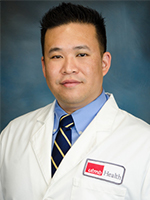
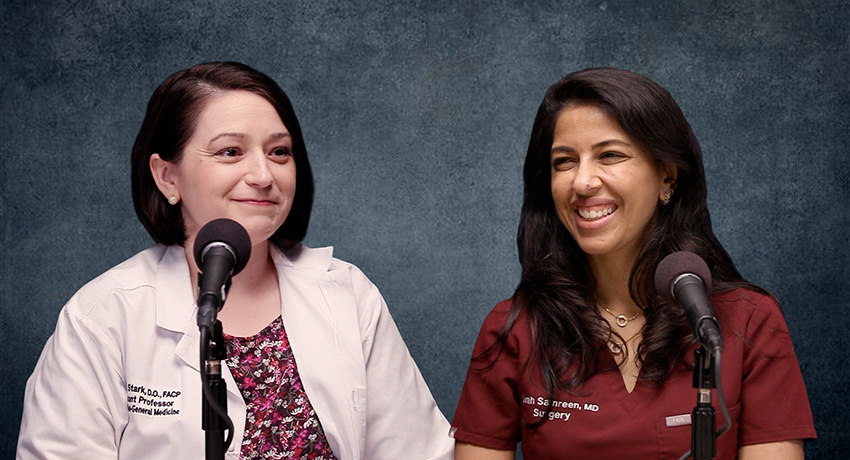
Each provider may treat different conditions. Click on a profile to see their areas of specialty.

Frequently Asked Questions
-
When is surgery recommended for GERD?
Surgery may be considered when reflux symptoms persist despite medication, when complications develop (such as esophagitis or Barrett’s changes), medication side effects develop or when patients prefer a long-term solution. A thorough evaluation helps determine candidacy.
-
Are esophagogastric and upper GI surgeries minimally invasive?
Many esophagogastric and upper GI procedures can be performed using minimally invasive or robotic techniques, depending on the condition and patient factors. Your surgeon will determine the best approach.
-
Can a hiatal hernia return after surgery?
Recurrence is possible, but minimally invasive or robotic techniques reduce the risk and support long-term outcomes.
-
Can GIST return after surgery?
Yes, recurrence is possible, so regular follow-up and imaging are essential.
-
Is surgery the only treatment option for stomach cancer?
Surgery is the main treatment, but it’s often combined with chemotherapy or radiation, depending on the cancer stage and the overall health of a patient.
All Gastrointestinal Surgery Specialties
Our Locations
- 146 East Hospital Drive
Suite 205 - M–F: 8 a.m.–5 p.m.
- (979) 848-9111
- (979) 849-1806
- Website
- 250 Blossom Street
4th floor - M–F: 8 a.m.–5 p.m.
- (832) 632-6370
- (832) 632-7866
- Website
- 215 Oak Drive South
Suite B - M–F: 8 a.m.–5 p.m.
- (979) 319-3051
- (979) 266-9834
- Website
- 2240 Gulf Freeway South
Suite 2.100 - M–F: 8 a.m.–5 p.m.
- (832) 505-1800
- (281) 309-0419
- Website
- 2280 Gulf Freeway South
2nd Floor - M–F: 8 a.m.–5 p.m.
- (832) 505-4000
- (832) 505-4040
- Website
- 1005 Harborside Drive
5th Floor - M–F: 8 a.m.–5 p.m.
- (409) 772-6789
- (409) 772-4456
- Website