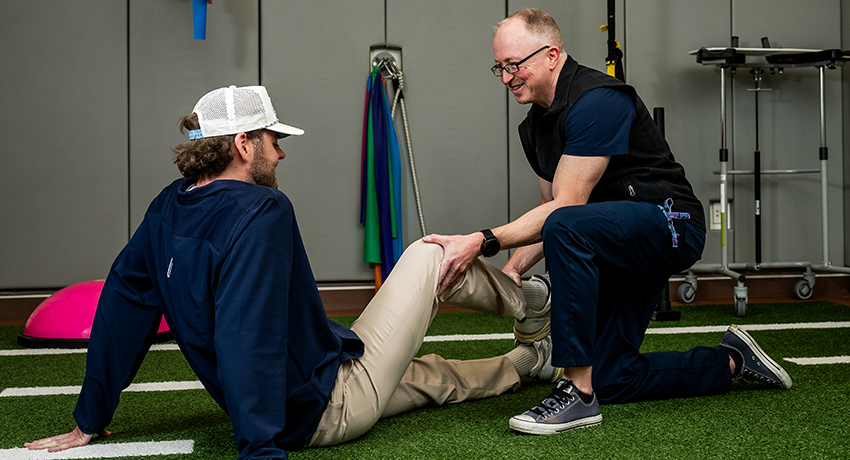
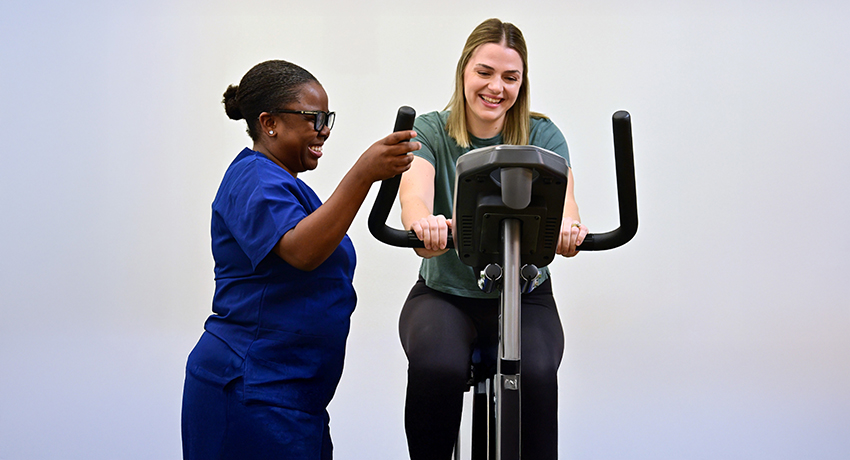
At UTMB Health, our orthopedic foot and ankle specialists and podiatrists are committed to providing the care you need to stay active and pain-free. Whether you’re coming in for an injury or an ongoing condition, you can expect to receive compassionate care by skilled doctors who want to see you well again. We offer a range of treatment options for foot and ankle conditions, including minimally invasive procedures, physical therapy, and custom orthotics. Our goal is to help you get back on your feet with comfort and confidence.
Conditions We Treat
Orthopedics and Podiatry
Deformities and Structural Conditions
Bunions
Overview:
Bunions are bony bumps that form at the base of the big toe, where it meets the foot. They develop when the big toe pushes against the next toe, causing the joint to stick out and gradually shift out of alignment. Bunions can be caused by genetics, foot structure, arthritis, or wearing tight or narrow shoes.
Symptoms:
- A visible bump on side of foot at base of big toe
- Pain or soreness around joint, especially when walking or wearing tight shoes
- Swelling and redness over bunion
- Stiffness or limited movement in big toe
- Corns or calluses where first and second toes overlap
- A burning or numb sensation around bunion area
Treatment/procedures:
- Wearing wider, more supportive shoes to reduce pressure on bunion
- Orthotic inserts or arch supports to improve alignment and relieve stress on joint
- Padding or bunion cushions to reduce rubbing and discomfort
- Ice packs to reduce swelling and inflammation
- Anti-inflammatory medications (like ibuprofen) to manage pain
- Toe spacers or splints to help realign toe (often used at night)
- Physical therapy or stretching to improve flexibility and relieve pressure
- Surgery to realign bones and remove bunion, if conservative treatments don’t provide relief
Flat Feet
Overview:
Flat feet, also called fallen arches, is a condition where the arches of the feet are low or completely collapsed, causing the entire sole to touch the ground when standing. This can lead to uneven weight distribution and strain on the feet, ankles, and legs. Flat feet may be present from childhood or develop over time due to injury, aging, or conditions like arthritis.
Symptoms:
- Pain or aching in arch, heel, or ankle
- Swelling along inside of foot or ankle
- Feet that tire easily during activity or standing
- Difficulty standing on tiptoes
- Feet roll inward excessively when walking (overpronation)
- Uneven wear on shoes due to abnormal foot mechanics
- Stiffness or limited foot movement
- Back, knee, or hip pain caused by altered walking patterns
Treatments & Procedures:
- Shoes with good arch support and cushioning to help reduce strain on feet
- Custom orthotics to provide extra support and correct abnormal foot mechanics
- Exercises to strengthen foot and leg muscles, improve flexibility, and enhance balance
- Replacing high-impact activities with low-impact exercises like swimming or cycling
- Over-the-counter pain relievers or anti-inflammatory drugs
- Maintaining a healthy weight to reduce stress on feet
- Surgery to correct structural problems or relieve pain, when conservative treatments don’t help
Fused Foot Bones
Overview:
Fused foot bones, also known as tarsal coalition, occur when two or more bones in the foot are abnormally joined together. This fusion can be present at birth (congenital) or develop over time and may involve bones in the midfoot or hindfoot.
Symptoms:
- Stiffness or limited motion in foot or ankle
- Pain, especially during activity or after long periods of standing or walking
- Flat feet or a foot that appears less flexible
- Frequent ankle sprains or instability
- Tired or achy legs, particularly in children or teens
- Difficulty walking on uneven surfaces or running
Nonsurgical Treatments & Procedures:
- Reducing physical activity to limit stress on foot
- Wearing a cast or boot to allow area to rest and reduce inflammation
- Custom shoe inserts to support foot and relieve pressure on surrounding joints
- Stretching and strengthening exercises to improve flexibility and support surrounding muscles
- Anti-inflammatory drugs (like ibuprofen) to reduce pain and swelling
Surgical Treatments & Procedures:
- Removing fused bone to restore motion
- Fusing nearby joints to stabilize foot and reduce pain
- Adjusting bone position to correct foot mechanics and reduce stress on fusion site
Gait Abnormalities
Overview:
Gait abnormalities refer to unusual or irregular walking patterns that may result from a problem with the legs, feet, brain, spine, or nervous system. These changes in how a person walks can be temporary or long-term and may affect balance, coordination, speed, or stride.
Symptoms:
- Uneven or unsteady walking
- Limping or favoring one leg
- Shortened steps or irregular stride length
- Shuffling, dragging, or stumbling when walking
- Stiff or awkward leg movements
- Imbalance or frequent falls
- Wobbling or swaying from side to side
- Fatigue or muscle weakness when standing or walking for long periods
- Pain in feet, legs, hips, or back during or after walking
Nonsurgical Treatments & Procedures:
- Core treatment for most gait issues, including exercises to improve strength, balance, flexibility, and coordination
- Assistive devices like canes, walkers, or braces to help support mobility and reduce fall risks
- Custom orthotics or shoe modifications to provide better support, correct alignment, or address issues like flat feet or leg length discrepancy
- Medications manage underlying conditions such as arthritis, nerve pain, or muscle spasms
- Occupational therapy to help patients adapt daily activities to their mobility level
- Neurological or muscular care for gait issues related to conditions like stroke, cerebral palsy, Parkinson’s disease, or muscular dystrophy
Surgical Treatments & Procedures:
- Joint repair or replacement for arthritis or joint deformities causing abnormal gait
- Tendon or ligament repair when gait is affected by soft tissue injury
- Bone realignment or corrective surgery for structural issues such as severe deformities or leg length discrepancies
- Nerve decompression or repair for cases where nerve entrapment is causing muscle weakness or coordination problems
Hammertoes
Overview:
A hammertoe is an abnormal bend of one or both joints in the small toes usually caused by an imbalance in the muscles, tendons, or ligaments that normally hold the toe straight. This type of physical deformity may result from the type of shoes you wear, foot structure, trauma, and certain disease processes.
Symptoms:
- A bent or curled toe, typically at middle joint
- Pain or discomfort when wearing shoes or walking
- Corns or calluses on top of toe or ball of foot
- Redness, swelling, or inflammation around affected toe
- Stiffness or limited movement in toe
- A burning or aching sensation in toe joint
- Open sores (in severe or advanced cases)
Nonsurgical Treatments & Procedures:
These treatments are typically recommended for mild or flexible hammertoes.
- Wider, supportive footwear to help reduce pressure and discomfort
- Custom or over-the-counter orthotic inserts to alleviate pressure and improve foot alignment
- Corn or callus pads to help prevent rubbing and irritation
- Toe exercises and stretches to strengthen and lengthen toe muscles to maintain flexibility
- Splints or toe straighteners to help hold the toe in a more natural position
- Anti-inflammatory medications to reduce pain and swelling
Surgical Treatments & Procedures:
These treatments are typically recommended when the toe is painful, rigid, or unresponsive to nonsurgical care.
- Tendon release or transfer to adjust soft tissues to allow toe to straighten
- Joint resection to remove part of bone to help straighten toe
- Fusion of joint to hold toe straight permanently
- Implant or pin placement to maintain alignment during healing
High Arches
Overview:
High arches are characterized by having foot arches that are higher than normal. This causes more weight to be placed on the ball and heel of the foot when standing or walking. High arches can be inherited or caused by neurological conditions, muscle imbalances, or injury.
Symptoms:
- Foot pain, especially in heel or ball of foot
- Calluses or corns on heel, ball, or sides of foot due to uneven pressure
- Ankle instability or frequent rolling of ankle
- Claw toes or hammertoes due to muscle imbalances
- Numbness or tingling in foot or toes
- Reduced shock absorption, leading to discomfort during walking or running
Treatments & Procedures:
- Shoes with good cushioning and arch support to help absorb shock and reduce pressure on foot
- Custom orthotics to provide extra support and help distribute weight evenly
- Physical therapy to improve foot flexibility and muscle balance
- Padding and protective gear to relieve pressure on calluses or sensitive areas
- Reducing high-impact activities that worsen pain
- Over-the-counter pain relievers or anti-inflammatory drugs to ease discomfort
- Surgery to correct bone alignment or address structural problems in rare or severe cases
Stiff Big Toe
Overview:
Big toe joint stiffness, also known as hallux rigidus, refers to limited movement or difficulty bending the joint at the base of the big toe. This stiffness can be caused by a combination of factors, including foot structure, arthritis, genetics, age, trauma, and repetitive stress.
Symptoms:
- Pain in or around big toe, often on top but sometimes deeper inside
- Stiffness in big toe
- Swelling around big toe joint
- Reduced range of motion in big toe
- A bump resembling a bunion or callus on top of big toe
Nonsurgical Treatments & Procedures:
- Over-the-counter pain relievers and anti-inflammatory drugs
- Wearing stiff-soled or rocker-bottom shoes to reduce pressure on big toe joint
- Custom orthotics (shoe inserts) to support foot and limit painful joint movement
- Exercises and stretches to maintain or improve joint flexibility and strengthen surrounding muscles
- Avoiding high-impact activities that worsen symptoms
Surgical Treatments & Procedures:
- Removal of bone spurs and part of joint to improve motion and reduce pain
- Fusing bones of big toe joint to eliminate pain
- Replacing damaged joint with artificial implant to preserve motion
- Realigning bones to reduce stress on joint
Joint, Nerve, & Degenerative Conditions
Ankle Osteoarthritis
Overview:
Ankle arthritis is a condition where the cartilage in the ankle joint gradually wears down, leading to pain, swelling, and stiffness. Unlike knee or hip arthritis, ankle arthritis is often caused by previous injury or trauma, such as fractures or ligament tears. As the cartilage deteriorates, joint movement becomes limited, making walking and weight-bearing activities painful and difficult. Early treatment can help manage symptoms and improve function.
Symptoms:
- Pain in ankle during or after activity and reduced range of motion
- Swelling around ankle joint
- Tenderness when touching ankle
- A grinding or crunching sensation with movement
- Difficulty walking or bearing weight
- Joint instability or weakness
- Increased pain during changes in weather or after prolonged use
Treatment/procedure options:
- Activity modification to reduce stress on ankle
- Physical therapy to strengthen surrounding muscles and improve flexibility
- Anti-inflammatory medications (NSAIDs) to relieve pain and swelling
- Use of braces or supportive footwear to stabilize ankle
- Corticosteroid injections for temporary pain relief
- Assistive devices like canes to reduce weight-bearing
- Surgery for severe arthritis cases
Charcot Foot
Overview:
Charcot foot is a condition that affects the bones, joints, and soft tissues of the foot and ankle. It most commonly occurs in people with nerve damage, especially from diabetes. Over time, the condition can lead to weakening and fractures of the foot bones. As the condition progresses, the joints may dislocate or collapse, causing the foot to become deformed.
Charcot foot is most often seen in people with diabetes, but it can also affect those with other conditions that cause neuropathy, such as alcohol-related nerve damage or spinal cord injuries.
Symptoms:
- Swelling, redness, warmth in foot
- Deformity or collapse of arch
- Possible pain or numbness
Treatment/procedure options:
- Casting or bracing to protect and support foot
- Reducing weight-bearing pressure
- Custom orthotics to stabilize foot shape
- Surgery to correct deformities or stabilize joints in severe cases
- Managing diabetes to prevent progression
Foot & Ankle Nerve Entrapment
Overview:
Foot and ankle nerve entrapment occurs when a nerve in the foot or ankle becomes compressed or pinched by surrounding tissues, resulting in a disruption of normal nerve function. Foot and ankle nerve entrapment can result from overuse, trauma, inflammation, repetitive motions, or anatomical abnormalities. It can affect athletes, people with diabetes, or anyone who places frequent stress on their feet.
Symptoms:
- Burning or shooting pain
- Numbness or tingling
- Muscle weakness
- Sensitivity to touch
Treatment/procedure options:
- Reducing pressure on nerves
- Nerve gliding and strengthening exercises
- Anti-inflammatories and nerve pain drugs
- Corticosteroids to reduce inflammation
- Decompression of affected nerve, if conservative treatments fail
Midfoot & Ankle Arthritis
Overview:
Midfoot and ankle arthritis involves inflammation and the gradual breakdown of cartilage in the joints of the midfoot or ankle. Causes include aging, previous injuries, repetitive stress, or inflammatory conditions like rheumatoid arthritis. This condition affects adults, especially those with a history of joint trauma or overuse.
Symptoms:
- Joint pain and stiffness
- Swelling around the joint
- Limited range of motion
- Difficulty walking or bearing weight
Treatment/procedure options:
- Medication to reduce pain and inflammation
- Exercises to maintain mobility and strengthen muscles
- Custom inserts to support and stabilize foot
- Joint injections, such as corticosteroids, to decrease inflammation
- Joint fusion or replacement surgery in severe cases to restore function
Soft Tissue & Tendon Disorders
Achilles Tendinitis
Overview:
Achilles tendinitis is an overuse injury that causes inflammation of the Achilles tendon, the strong band of tissue that connects your calf muscles to your heel bone. It typically develops from repetitive stress, such as running, jumping, or sudden increases in physical activity.
Symptoms:
- Swelling or thickening around Achilles tendon
- Pain and stiffness along back of heel or lower calf, especially in morning or after activity
- Tenderness when touching or pressing on tendon
- Increased pain during or after exercise
- A creaking or crackling feeling when moving tendon
- Limited range of motion in ankle or foot
- Warmth or redness over tendon
Treatments & Procedures:
- Avoiding high-impact activities like running or jumping to allow tendon to heal
- Applying ice to area for swelling and pain
- Medications like ibuprofen to relieve pain and inflammation
- Stretching and strengthening exercises to help improve flexibility and tendon strength
- Physical therapy to speed recovery and reduce risk of re-injury
- Shoe orthotics to reduce strain on Achilles tendon by supporting proper foot alignment
- Wearing well-cushioned shoes to reduce pressure on tendon
- Night splints or braces to help maintain a gentle stretch during rest
- Platelet-rich plasma (PRP) therapy to promote healing in chronic cases
- Surgery to remove damaged tissue or repair a ruptured tendon in severe or long-lasting cases
Chronic Ankle Instability
Overview:
Chronic ankle instability occurs when the ankle repeatedly gives way due to weakened or damaged ligaments, often following an initial ankle sprain. This leads to frequent ankle sprains, reduced stability, and a feeling of the ankle “rolling.”
Symptoms:
- Frequent ankle sprains
- Feeling of ankle “giving out”
- Swelling and pain around the ankle
- Weakness or instability during walking or standing
- Tenderness along ankle ligaments
Treatments & Procedures:
- Physical therapy to strengthen ankle muscles
- Bracing or taping for support
- Activity modification to avoid high-risk movements
- Anti-inflammatory medications
- Surgery to repair or tighten ligaments (in severe cases)
Ganglion Cysts
Overview:
Ganglion cysts are noncancerous lumps filled with a jelly-like fluid. They most commonly develop along the tendons or joints of wrists or hands, but they grow on the ankles and feet as well. Ganglion cysts develop when fluid accumulates in the joint or tendon, as the result of injury, trauma, or overuse. The cysts are round or oval and vary in size, often getting larger when the joint affected engages in repetitive motion and can cause pain if the cyst begins to press on a nerve.
Symptoms may include:
- Visible lump or bump
- Tenderness or pain if pressing on nerves or joints
- Limited joint movement (in some cases)
Treatment/procedure options:
- Observation if asymptomatic
- Immobilization with a brace or splint
- Draining fluid
- Surgical removal, if painful or persistent
Heel Spurs
Overview:
Heel spurs are calcium deposits that cause a bony protrusion on the underside of the heel bone, often associated with plantar fasciitis. They develop as the result of repetitive stress on the heel.
Symptoms:
- Sharp heel pain, especially when standing after rest
- Tenderness at bottom of heel
- Inflammation and swelling around heel
Treatments & Procedures:
- Rest and ice therapy
- Stretching exercises
- Orthotic shoe inserts
- Anti-inflammatory medications
- Corticosteroid injections
Peroneal Tendinitis
Overview:
Peroneal tendinitis is an inflammation or irritation of the peroneal tendons, which run along the outside of your ankle and foot. These tendons help stabilize the ankle and allow you to turn your foot outward and point your toes down. This condition often develops from overuse, repetitive ankle movements, or an ankle injury such as a sprain. It commonly affects athletes, runners, or anyone who puts repeated stress on their ankles.
Symptoms:
- Pain and tenderness along outside of ankle and foot
- Swelling around affected tendons
- A feeling of instability or weakness in ankle
- Pain that worsens with activity, especially walking, running, or standing on uneven surfaces
- Tenderness when pressing along tendon path behind ankle bone
- Difficulty or discomfort when turning foot outward or pointing toes down
- Possible clicking or snapping sensation around ankle during movement
Nonsurgical Treatments & Procedures:
- Avoiding activities that strain ankle, such as running or jumping
- Applying ice to reduce swelling and pain
- Medications like ibuprofen to ease pain and inflammation
- Exercises to strengthen and stretch peroneal tendons and improve ankle stability
- Shoes or inserts that provide proper ankle support and alignment
- Wearing an ankle brace or walking boot to limit tendon movement and promote healing
Surgical Treatments & Procedures:
- Removing damaged tissue or repairing torn tendons
- Using nearby tendons to restore function if peroneal tendons are severely damaged
- Release procedures to relieve tendon tension or correct alignment issues contributing to tendinitis
Posterior Tibial Tendon Dysfunction (PTTD)
Overview:
Posterior tibial tendon dysfunction (PTTD) is a condition that occurs when the posterior tibial tendon, which helps support the arch of your foot, becomes inflamed, overstretched, or torn. This tendon runs along the inside of the ankle and plays a key role in maintaining proper foot alignment and stability during walking.
Symptoms:
- Pain, swelling, and/or tenderness along inside of ankle and foot, especially where tendon runs
- Flattening of arch or noticeable collapse of foot’s inner curve
- A rolling outward of ankle (overpronation) when standing or walking
- Difficulty walking or standing on tiptoes
- Weakness or instability in affected foot and ankle
- Pain that worsens with activity and improves with rest
- Increased foot fatigue during prolonged standing or walking
Nonsurgical Treatments & Procedures:
- Avoiding activities that worsen pain or strain tendon
- Using a walking boot or brace to reduce stress and allow healing
- Wearing custom shoe inserts to support arch and improve foot alignment
- Wearing shoes with good arch support and stability
- Doing exercises to strengthen posterior tibial tendon and surrounding muscles
- Nonsteroidal anti-inflammatory drugs (NSAIDs) to reduce pain and inflammation.
- Maintaining a healthy weight to reduce strain on tendon
Surgical Treatments & Procedures:
- Tendon repair or reconstruction to fix or replace damaged tendon
- Bone realignment procedures to improve foot structure and function
- Fusion of joints to stabilize foot
- Soft tissue procedures to release tight tissues or transfer tendons to restore function
Orthopedics Only
Traumatic Injuries
Ankle Sprains
Overview:
An ankle sprain is one of the most common musculoskeletal injuries and occurs when the ligaments that support the ankle are stretched or torn. Ankle sprains typically happen when the foot rolls, twists, or turns awkwardly, often during sports, walking on uneven ground, or missing a step.
Anyone can experience an ankle sprain, but they are especially common in athletes, people who wear improper footwear, or those with previous ankle injuries. The severity can range from mild to severe.
Symptoms:
- Pain and swelling around ankle
- Bruising
- Instability or a feeling of “giving way”
- Difficulty walking
Treatments & Procedures:
- Rest, ice, compression, and elevation (RICE)
- Bracing or taping during healing and activity
- Balance and strength training for rehabilitation
- NSAIDs to reduce pain and inflammation
- Surgery for severe or recurrent instability
Dislocations
Overview:
A dislocation occurs when one or more of the bones are forced out of their normal position at a joint, often due to trauma such as a fall, sports injury, or direct blow. This injury disrupts the alignment of the joint and can damage surrounding ligaments, tendons, and nerves. It most commonly affects individuals involved in high-risk activities or occupations and older adults who are more prone to falls. Dislocations can occur in almost any body joint, but the most affected ones are the shoulder, finger, knee, elbows, hip, and jaw joints.
Symptoms:
- Intense pain at time of injury
- Visible deformity or misalignment of joint
- Swelling and bruising
- Inability to move affected joint
- Numbness or tingling (if nerves are compressed)
Treatments & Procedures:
- Manual repositioning of dislocated joint under local or general anesthesia
- A splint or cast to allow ligaments and soft tissues to heal
- Surgery, if dislocation is complex, unstable, or involves fractures
- Physical therapy to help restore strength, mobility, and joint function after immobilization or surgery
- NSAIDs and ice to reduce pain and inflammation
Fractures
Overview:
A fracture involves a break or crack in any bone in the body. These injuries are often caused by falls, direct impacts, sports injuries, and other traumatic injuries. Fractures can range from small hairline cracks to more severe breaks that shift the bone out of alignment or break it into multiple pieces. Anyone of any age can sustain a bone fractur, but they are especially common in children and older adults.
Symptoms:
- Sudden pain at time of injury
- Swelling and bruising
- Deformity or crooked appearance of affected limb
- Difficulty moving affected limb
- Tenderness at site of injury
Treatment/procedure options:
- Splinting or casting for immobilization
- Manually aligning bones without surgery
- OTC or prescription pain medications to ease discomfort
- Surgical fixation to stabilize complex fractures
- Physical therapy to restore strength and motion after immobilization
Ligament & Tendon Tears
Overview:
Ligament and tendon tears are common injuries that can affect people of all ages, especially those who are physically active. Ligaments connect bones to other bones, while tendons connect muscles to bones. Tears can range from mild to severe, and they may result from sudden trauma or repetitive overuse. Sports injuries, accidents, and improper footwear are common causes.
Symptoms:
- Sudden sharp pain
- Swelling and bruising
- Weakness or joint instability
- Reduced range of motion
Treatments & Procedures:
- Immobilization to allow natural healing
- Physical therapy to restore strength and flexibility
- Medications for pain relief and swelling reduction
- Surgery for full tears or severe damage
Overuse & Functional Conditions
Leg Length Discrepancy
Overview:
Leg length discrepancy (LLD) is a condition in which one leg is shorter than the other. The difference may be small and barely noticeable, or more significant and cause visible changes in posture and movement. This condition can be caused by differences in bone length or by muscle imbalances, joint issues, or posture problems that make one leg appear shorter. LLD can be present at birth or develop later due to injury, surgery, infection, or medical conditions like scoliosis or hip disorders.
Symptoms:
- Visible uneven hips or shoulders
- Limping or altered gait
- Pain in hips, knees, or lower back
Treatments & Procedures:
- Shoe lifts or orthotics to balance leg length
- Physical therapy to improve gait mechanics
- Surgery, in significant cases, to lengthen or shorten a leg
Shin Splints
Overview:
Shin splints, also called medial tibial stress syndrome, are a common cause of pain along the shinbone. They usually develop from repetitive stress on the bone and nearby muscles and tissues, often triggered by intense or increased physical activity. This condition is especially common in runners and athletes. While not usually serious, shin splints can become painful and limit activity if not properly managed.
Symptoms:
- Pain along inside of shin
- Tenderness and mild swelling
- Discomfort during or after exercise
Treatments & Procedures:
- Rest and ice to reduce inflammation
- Shock-absorbing shoes to minimize stress
- Stretching and strengthening exercises
- Gradual return to exercise at a controlled pace
Stress Fractures
Overview:
A stress fracture is a small crack or severe bruise within a bone, typically caused by repetitive stress or overuse over time, as opposed to a single injury. It's a common overuse injury, especially in weight-bearing bones like those in the foot or lower leg. Runners, dancers, and military personnel often experience these fractures.
Symptoms:
- Gradual onset of activity-related pain
- Localized tenderness
- Mild swelling
- Changes in gait
- Bruising
Treatments & Procedures:
- Avoiding high-impact activities
- Boot or brace if needed
- Gradual strength and mobility training
- Controlled return to activity to prevent recurrence
Podiatry Only
Skin, Nail, & Structural Conditions
Athlete’s Foot
Overview:
Athlete’s foot is a common fungal infection that affects the skin on the feet, especially between the toes. It is caused by fungi called dermatophytes that thrive in warm, moist environments like sweaty socks, shoes, and certain public places. Athlete’s foot can affect anyone but is especially common in athletes and people who frequently wear closed footwear or have sweaty feet. The infection can spread to other parts of the body if left untreated.
Symptoms may include:
- Itching, burning, or stinging between toes or on soles
- Red, scaly, peeling, or cracked skin
- Blisters or dry, flaky areas
- Possible odor or discomfort
Treatment/procedure options:
- Topical antifungal creams/sprays applied daily for 2–6 weeks
- Oral antifungal medications for severe or persistent cases
- Keeping feet dry, changing socks, avoiding bare feet in public areas
Calluses
Overview:
Calluses are thickened, tough areas of skin that develop on the feet (or hands) due to repeated pressure or friction. Unlike corns, calluses are usually larger and less defined, and they form on weight-bearing areas such as the heels, balls of the feet, or palms. They act as a natural protective barrier to shield the skin and underlying tissues from damage. Calluses often develop from activities like walking or running, wearing ill-fitting shoes, or having foot deformities that cause uneven pressure.
Symptoms:
- Thick, rough, and hardened patches of skin
- Yellowish or grayish discoloration
- Raised, flat areas on weight-bearing parts of feet
- Dry, flaky, or waxy texture
- Possible discomfort or tenderness when walking or standing if calluses become too thick
- Cracks or fissures in severe cases, which can lead to pain or infection
Treatments & Procedures:
- Wearing properly fitting shoes and using cushioned insoles or pads to reduce pressure and friction
- Soaking feet and gently filing down thickened skin with a pumice stone or foot file
- Applying thick, emollient creams to keep skin soft and prevent dryness
- Over-the-counter creams or pads containing salicylic acid to help soften and break down thick skin
- Removal of excessive callused skin
- Correcting foot deformities or gait issues through orthotics or physical therapy to prevent recurrence
Corns
Overview:
Foot corns are areas of thick, hardened skin that develop in response to repeated pressure or friction, typically on the toes or the sides and tops of the feet. They are often caused by wearing shoes that are too tight, too loose, or have high heels that put pressure on specific areas of the foot. They can also form due to foot deformities like bunions or hammertoes, or from walking in a way that places uneven pressure on the feet. There are three main types of corns: hard, soft, and seed.
Symptoms:
- Thickened, hardened skin on toes or other pressure points of foot
- Small, round bump of dense skin, often with a hard center
- Tenderness or pain under skin when pressure is applied
- Flaky, dry, or waxy skin around affected area
- Inflammation or redness surrounding corn, especially if irritated
Treatments & Procedures:
- Wearing well-fitting, cushioned shoes with wide toe boxes to reduce pressure and prevent friction
- Using non-medicated corn pads or moleskin to shield corn from rubbing and irritation
- Soaking feet in warm water to soften corn, followed by gentle removal of dead skin with a pumice stone
- Applying foot creams to keep skin soft and reduce dryness
- Over-the-counter pads or creams containing salicylic acid to gradually break down thickened skin
- Trimming or shaving down of corn using sterile tools to provide relief and reduce recurrence
- Shoe inserts designed to correct foot mechanics and distribute pressure more evenly
Dry or Cracked Heels
Overview:
Dry or cracked heels occur when the skin around the heel becomes dry, thickened, and loses its natural moisture, leading to fissures or splits. This condition often develops due to prolonged pressure on the feet, lack of proper hydration, exposure to harsh weather, or certain medical conditions like diabetes and eczema. It’s a common foot problem that affects people of all ages but can be especially troublesome for those who stand for long periods or have skin conditions.
Symptoms:
- Rough, dry, and thickened skin on heels
- Visible cracks or fissures in skin
- Flaking or peeling skin
- Itching or discomfort around heel area
- Pain or bleeding in severe cases
- Redness or inflammation around cracks
Treatments & Procedures:
- Moisturizing creams and ointments to hydrate and soften skin
- Gentle removal of dead skin by soaking feet in warm water and using a pumice stone or foot file to smooth rough areas
- Wearing cushioned, well-fitting shoes to reduce pressure on heels
- Hydrating socks to lock in moisture and speed healing
- Using mild cleansers and lukewarm water to prevent further drying of skin
- Managing diabetes, eczema, or other skin disorders to reduce risk of cracked heels
- Wound care or antibiotics for deep, painful cracks or infections
Ingrown Toenails
Overview:
An ingrown toenail occurs when the edge of the toenail grows into the surrounding skin, typically affecting the big toe. Ingrown toenails can develop due to improper nail trimming, wearing tight or ill-fitting shoes, injury to the toe, or genetic predisposition to curved nails. They are common in both adolescents and adults and may be more frequent in people who are physically active or who have certain foot deformities.
Symptoms:
- Pain or tenderness along one or both sides of nail
- Redness and swelling around affected nail
- Hardening of surrounding skin
- Pus or drainage, especially if area becomes infected
- Overgrowth of skin around nail (in chronic or severe cases)
Treatments & Procedures:
- Soaking foot in warm water several times a day to reduce swelling and tenderness
- Cutting toenails straight across (not curved) to prevent nail from growing into skin
- Topical antibiotics to help treat or prevent infection if skin is broken
- Wearing open-toed or roomy footwear to relieve pressure and allow healing
- Placing a small piece of cotton or dental floss under nail edge to help it grow above skin
- Partial nail removal for persistent or infected cases
- Permanent nail removal in recurring cases to prevent regrowth of problematic section.
- Oral antibiotics if there's is a significant infection, especially with redness spreading beyond toe
Plantar fasciitis
Overview:
Plantar fasciitis is one of the most common causes of heel pain. It occurs when the thick band of tissue that runs along the bottom of your foot, the plantar fascia, that connects your heel bone to your toes becomes inflamed or irritated. This condition is especially common in runners, people who are overweight, and those who spend a lot of time on their feet, particularly on hard surfaces.
Symptoms may include:
- Heel pain, especially with first steps in the morning
- Tenderness at the arch or heel
- Pain after prolonged standing or walking
Treatment/procedure options:
- Stretching exercises to relieve tension in fascia
- Supportive inserts and cushioned footwear
- NSAIDs to reduce discomfort
- Physical therapy for strength and flexibility
- Corticosteroid injections for persistent pain
Plantar Warts
Overview:
Plantar warts are small, rough growths that appear on the soles of the feet, usually on the heels or balls, where pressure is greatest. They are caused by the human papillomavirus (HPV), which enters the skin through tiny cuts or breaks. These warts are contagious and can spread through direct contact with the virus, often in communal areas. They are more common in children, teenagers, and people with weakened immune systems.
Symptoms:
- Small, grainy growths on sole of foot
- Thickened skin
- Clotted blood vessels, also known as wart “seeds”
- Tenderness or pain when walking or standing
- Growths that interrupt natural lines of skin on foot
Treatments & Procedures:
- Over-the-counter salicylic acid to dissolve wart layer by layer
- Cryotherapy (freezing) to destroy wart tissue
- Cantharidin treatment, a chemical applied to wart that causes it to blister and lift off skin
- Laser therapy to destroy tiny blood vessels that feed wart, causing tissue to die
- Minor surgical removal of wart
- Immunotherapy to stimulate body’s immune system to attack virus
Toenail Fungus
Overview:
Toenail fungus is a common fungal infection that affects the toenails, causing them to become discolored, thickened, brittle, or misshapen. It’s caused by fungi that invade the nail bed, often through tiny cracks in the nail or surrounding skin.
Toenail fungus is more common in older adults, people with reduced circulation, those who frequently wear closed-toe shoes, or individuals with a history of athlete’s foot or weakened immune systems. It can also spread from one nail to another or from person to person through shared nail tools or damp surfaces.
Symptoms:
- Discoloration of the nail, often yellow, white, or brown
- Thickened nails
- Brittle or crumbly nails
- Distorted nail shape
- Separation from nail bed
- Foul odor
- Debris under nail
Treatments & Procedures:
- Topical antifungal medications
- Oral antifungal medications
- Medicated nail lacquers to kill fungus and prevent spread
- Laser therapy to target and destroy fungal organisms in nail
- Trimming, thinning, or removing part of infected nail to help reduce fungal load and allows treatments to penetrate better
- Surgical nail removal, in severe cases, to allow healthy nail to grow back or to treat the nail bed directly.
Systemic & Complicated Foot Conditions
Diabetic Foot Ulcers
Overview:
Diabetic foot ulcers are open sores or wounds that develop on the feet of people with diabetes, usually on pressure points like the soles, heels, or toes. They arise primarily due to a combination of sensation loss and poor blood circulation, which impair the foot’s ability to heal and resist infection. High blood sugar levels also weaken the immune response, making infections more likely. These ulcers are a serious complication that can lead to infection, gangrene, and even amputation if not managed properly.
Symptoms:
- Open sores or wounds on feet, often slow to heal
- Surrounding skin redness or swelling
- Drainage or pus from wound
- Foul odor from infected ulcers
- Pain may be absent due to neuropathy
- Thickened callused skin around ulcer
- Changes in skin color or temperature near ulcer
Treatments & Procedures:
- Use of total contact casts, specialized shoes, or braces to relieve pressure on ulcer
- Regular cleaning and removal of dead tissue to promote healing
- Oral or intravenous antibiotics guided by wound cultures, if infection is present
- Tight diabetes management to improve healing and immune function
- Procedures like angioplasty or bypass surgery to improve blood flow, if poor circulation is contributing
- Use of growth factors, skin substitutes, or hyperbaric oxygen therapy in select cases
Foot Infections
Overview:
Foot infections occur when bacteria, fungi, or other pathogens invade the skin, soft tissues, or bones of the foot, often through wounds, ulcers, or cracks. People with diabetes, neuropathy, or poor circulation are at higher risk due to impaired immune response and delayed healing. Infections can range from superficial cellulitis to deep abscesses or a bone infection.
Symptoms:
- Redness, swelling, warmth, and tenderness of affected area
- Pain or discomfort
- Pus or foul-smelling drainage from wounds
- Fever or chills in severe infections
- Skin ulcers that do not heal or worsen
- Possible systemic symptoms like fatigue or malaise
Treatments & Procedures:
- Oral or intravenous antibiotics
- Wound care, including cleaning, debridement, and dressing changes
- Draining abscesses, removing infected tissue, or amputating severely affected areas
- Blood sugar control for diabetic patients
- Rest, elevation, and monitoring for systemic infection
Neuropathy
Overview:
Neuropathy happens when the nerves outside the brain and spinal cord are damaged or not working right. These nerves help the brain send signals to the rest of the body. When they are hurt, it can cause pain, tingling, numbness, or weakness. This usually starts in the hands or feet. Neuropathy can be caused by diabetes, infections, immune system problems, or harmful chemicals. Finding the cause is important so doctors can treat the symptoms.
Symptoms:
- Tingling or “pins and needles” sensation
- Numbness in hands or feet
- Burning or shooting pain
- Muscle weakness or cramping
- Loss of coordination or balance
Treatments / Procedures:
- Nerve Conduction Studies (NCS)
- Electromyography (EMG)
- Blood tests for underlying causes
- Medication for nerve pain relief
- Physical therapy to improve function
- Treatment of underlying conditions (e.g., diabetes management)
Poor Circulation-Related Issues
Overview:
Poor circulation in the feet, often caused by peripheral artery disease (PAD), diabetes, or other vascular conditions, reduces blood flow and oxygen delivery to foot tissues. This can cause pain, delayed wound healing, and increased risk of infections or ulcers. People with poor circulation may experience cold feet, cramps during walking, and skin color changes.
Symptoms:
- Cold, pale, or bluish feet or toes
- Numbness or tingling sensations
- Pain or cramping in the calves, thighs, or feet during walking (claudication)
- Slow-healing wounds or ulcers
- Shiny, thin skin and loss of hair on feet and legs
- Weak or absent foot pulses
Treatments & Procedures:
- Medications to improve blood flow, reduce clotting, and manage cholesterol and blood pressure
- Smoking cessation, regular exercise, and a healthy diet
- Surgery to restore blood flow
- Compression therapy to manage swelling
Can’t find what you're looking for? Contact the care team at the clinic for assistance.
Your Care Team
Each provider may treat different conditions. Click on a profile to see their areas of specialty.
Orthopedic Surgery: foot injuries or trauma.
If you are needing an appointment for toenail care or problems, please see one of our Podiatry providers.

Podiatry: toenail care or problems
Podiatry providers do not see patients with foot injuries or trauma.

Frequently Asked Questions
-
Why should I choose a fellowship trained foot and ankle surgeon?
All orthopedic surgeons are fully qualified to medically and surgically treat the vast majority of musculoskeletal conditions. All of our orthopedic surgeons have at least five years of residency training after obtaining their medical degree. For our foot and ankle specialists, they take an additional year of intensive post-residency training solely devoted to treating conditions of the foot and ankle. What that means for a patient is that they will see more foot and ankle cases than a typical orthopedic or podiatric surgeon, translating into prompt diagnosis, the highest expertise in treatment and excellent quality across the breadth of foot and ankle conditions. -
What’s the difference between podiatrists and orthopedic foot and ankle specialists?
The core difference lies in their overall scope of work. Podiatrists can diagnose and treat any foot or ankle problem. They can also perform physical exams, diagnostic testing, surgery, and other procedures. Orthopedic foot and ankle specialists offer these same services, including Charcot reconstruction, arthroscopic procedures, and total ankle replacement, in addition to managing trauma cases. -
When should I see a doctor about my foot or ankle condition?
If you have ongoing pain, swelling, difficulty walking, or a visible deformity that isn’t improving, it’s time to see a specialist. -
What should I expect during my visit?
The initial visit will include a comprehensive medical history evaluation and full examination of the area concerned by one of our fellowship-trained orthopedic surgeons. Additional diagnostic imaging such an X-ray or MRI may be necessary to assist in determining a diagnosis. Once a diagnosis has been determined, your surgeon will develop a treatment plan that may include medication, injections, physical therapy, or surgery. -
When surgery is recommended, what should I expect?
Based on your personalized treatment plan, UTMB staff will schedule your surgery, usually as day surgery without an overnight stay. Post-surgery, you may need to avoid walking or bearing weight on your foot and ankle for up to six weeks. Our team will recommend assistive devices like crutches or a knee scooter. Your surgeon will provide pain management instructions and schedule a follow-up visit within 10–14 days. Physical therapy will begin when appropriate, guided by your surgeon’s recommendations. -
What if I’m not ready for surgery?
For certain conditions, there may be non-surgical options that may improve your symptoms. Options include activity modification, exercises, medication, injections, orthotics, or physical therapy. UTMB offers a convenient outpatient pharmacy located at our League City, Clear Lake, and Galveston campuses where we can dispense medication for you. Our foot and ankle clinics are also staffed by an orthotist so that you may get your orthotic measured at the same time as your visit. Additionally, if physical therapy is ordered, we have convenient outpatient locations at our League City, Clear Lake and Galveston campuses.
All Orthopedic Specialties
Our Locations
- 2020 East Highway 6
- M–F: 7 a.m.–6 p.m.
- (281) 585-2530
- (281) 585-3819
- Website
- 2309 West Mulberry Street
- M–F: 8 a.m.–5 p.m. and Friday 8 a.m.–12:00 p.m.
- (979) 849-9557
- (979) 849-0789
- Website
- 250 Blossom Street
Suite 110 - M–F: 8 a.m.–5 p.m.
- (832) 505-1200
- (832) 632-7866
- Website
- 1715 South Friendswood Drive, 4th Floor
- M–F: 8 a.m.–5 p.m.
- (832) 505-1200
- (281) 482-3963
- Website
- 2240 Gulf Freeway South
- M–F: 8 a.m.–5 p.m.
- (832) 505-1200
- (281) 309-0137
- Website
- 400 Harborside Drive
Suite 109, Entrance A - M–F: 8 a.m.–5 p.m.
- Adult & Pediatric
- (409) 266-7846
- (409) 772-5890
- Website
- 10121 Emmett F. Lowry Expressway
- M–F: 7:30 a.m.–5 p.m.
- (832) 505-1200
- (409) 986-7890
- Website