Heading back to school means new friends, new routines, and yes, new germs. From bustling daycare rooms to crowded hallways, children are constantly in close contact with peers, making school a prime spot for common illnesses to spread. While getting sick is an expected part of childhood, building a few simple habits at home can significantly lower risk and keep those sick days to a minimum.
Why kids get sick so often
Every time your child walks through the school doors, their immune system is introduced to a new world of bugs, viruses, and bacteria. It is completely normal for parents to feel overwhelmed when their child catches one illness after another.
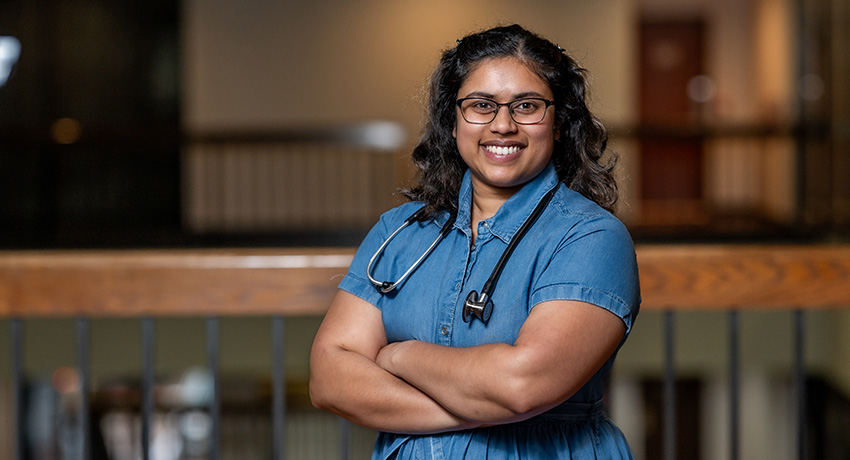
According to Dr. Radhini Bell, a primary care pediatrician with UTMB Health, viral illnesses are an expected part of childhood development. Rather than a sign of a weak immune system, catching frequent colds is actually how a child’s body builds immunity over time.
“If a child is in daycare or school, they’re getting viral illnesses or common colds around 16 times a year,” Bell said. “So if you think about how it takes about two weeks for them to start fully getting better — that cough is starting to go away — that’s about the time where they’re going to pick up the next one.”
Germ-fighting habits that make a difference
While you cannot avoid every bug, consistent hygiene habits make a significant impact. Handwashing is a tried-and-true method for reducing the spread of germs, especially among younger children who naturally touch their surroundings frequently.
Practical habits include:
Frequent handwashing: Teaching children to wash their hands before eating and after using the bathroom.
Using hand sanitizer: Giving kids a portable option when soap and water are not immediately available.
To make hand hygiene fun and encourage daily buy-in, Bell suggests letting children choose their own personal hand sanitizer. Giving kids ownership — like picking out a fun scent, a colorful clip-on case for their backpack, or selecting a new one each month — often makes them more excited to use it throughout the school day.
Preventive steps at home
“Kids hold a lot of germs in their hands, fingernails, and noses,” Bell said. Creating a simple after-school routine can help reduce the spread of germs at home. Bell suggests having kids take a quick “bird bath” to wash up and swap out of their school clothes before jumping into their evening routines or playtime.
Teaching healthy habits early
Reinforcing good hygiene at home helps children take ownership of their health and recognize healthy behaviors around others.
Teaching children to cover their mouths when coughing or sneezing is an essential early habit. Kids naturally mirror what they see at home, so modeling good habits yourself helps them build those behaviors organically.
Reinforcing these habits at home also builds situational awareness at school. According to Bell, when children learn proper etiquette early, they recognize unhealthy habits around them, making them more likely to naturally step back when a classmate coughs or sneezes without covering up.
Looking for a healthcare partner? Connect with a UTMB Health pediatrician today to help your child stay healthy, active, and ready for the year ahead.
When to keep your child home
Keeping a sick child home gives their body the rest it needs to recover and protects classmates and teachers from unnecessary exposure. While taking a day off isn’t always easy for working parents, keeping kids home during the most contagious phase of an illness is one of the most effective ways families can support healthy school environments.
Children with a fever, vomiting, diarrhea, or symptoms severe enough to interfere with classroom participation should stay home until they are feeling better.
When you are unsure if your child is ready to return, your pediatrician can help you make the right decision for your family.
Partnering with UTMB Health
Perfection is not possible when it comes to childhood germs, but establishing realistic expectations and simple daily habits can significantly lower risk.
Pediatricians at UTMB Health are trusted partners for parents in supporting children’s health, development, and preventive care throughout the school year.
Connect with a UTMB Health pediatrician today to help your child stay healthy, active, and ready for the year ahead.