
The University of Texas Medical Branch (UTMB) has migrated its electronic health record (EHR) system Epic from an on-premises environment to Microsoft’s cloud-based Azure platform. The move will enhance security, improve disaster recovery, increase system scalability, and accelerate innovation.
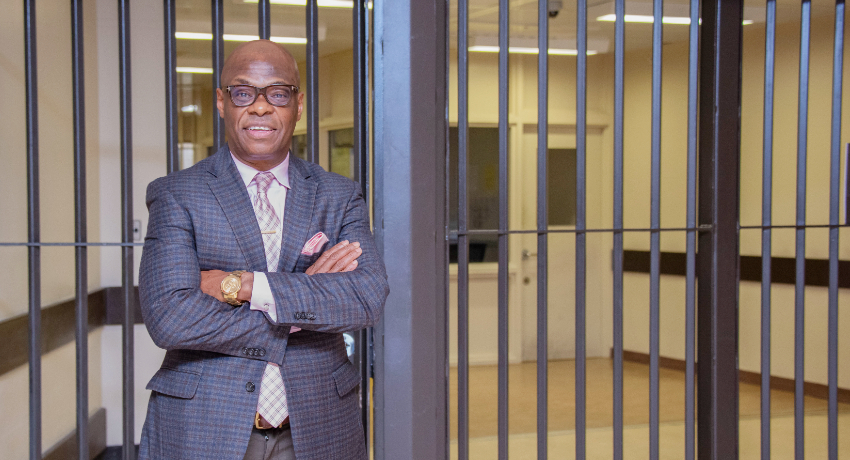
The Center for Correctional Healthcare Excellence at UTMB is advancing research, innovation, education, and clinical care for one of the nation’s most medically vulnerable populations.
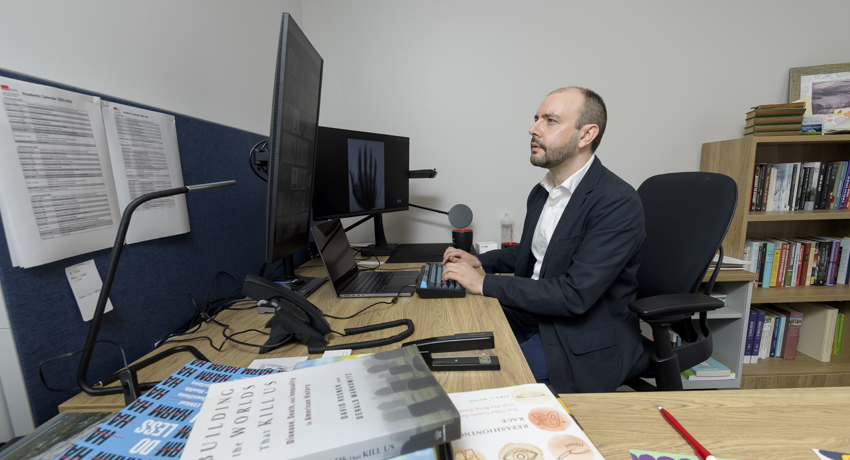
Artificial intelligence is transforming medical diagnosis, but bioethicists at UTMB say technology should support, not replace, physicians. Beyond speed and accuracy, they say diagnosis is about trust, patient care, ethics, and protecting privacy.
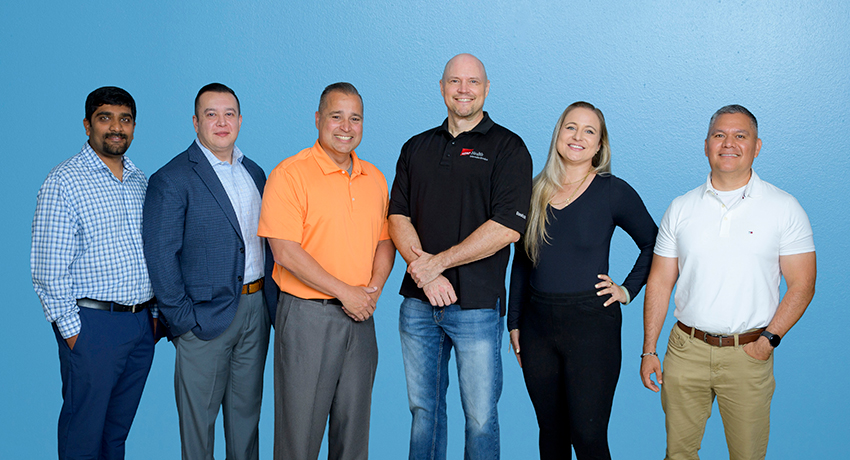
At UTMB Health, algorithms are used to advance patient care in high-demand specialties, including nephrology, endocrinology, infectious disease, and rheumatology, helping determine which patients should be prioritized. The UTMB ITS core innovation team codevelops and implements these projects.
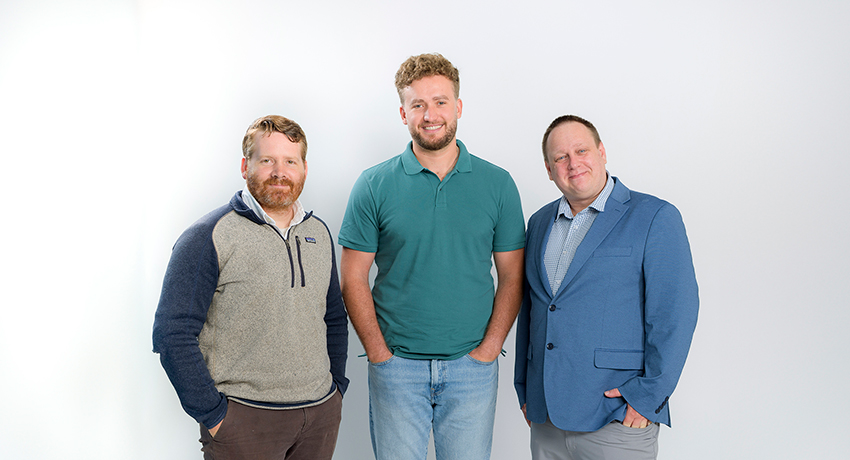
A small team of developers at The University of Texas Medical Branch (UTMB) was one of 50 winners out of 4,096 entries in the Google DeepMind Kaggle hackathon. VibeRad, a teaching prototype of a radiology viewer, was created through vibe coding.
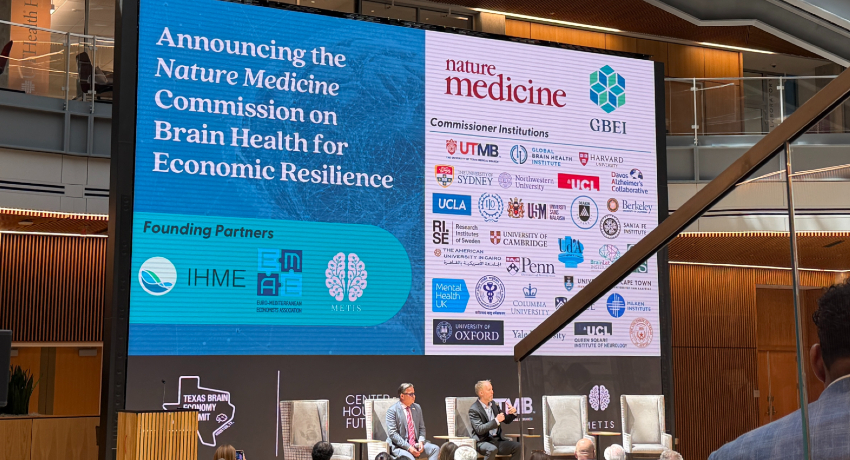
Global leaders in neuroscience, public policy, economics, and healthcare announced the launch of the Nature Medicine Commission on Brain Health for Economic Resilience on Wednesday during the second and closing day of the Texas Brain Economy Summit at TMC3 in the Texas Medical Center in Houston.
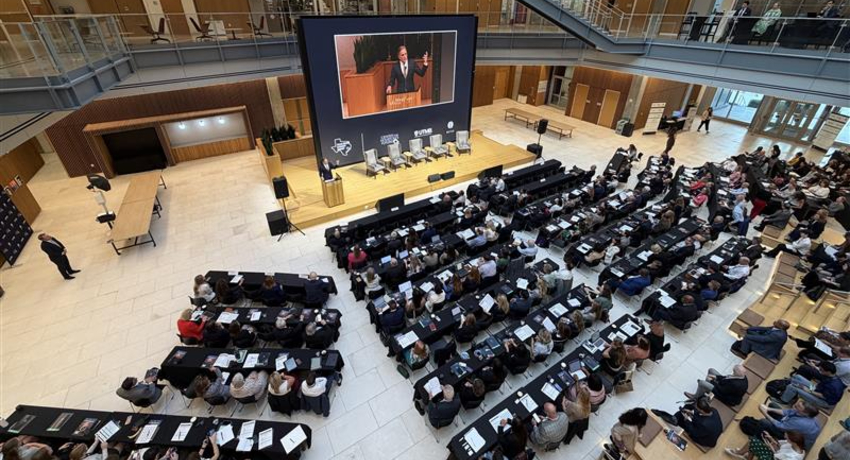
More than 500 leaders converged at the Texas Medical Center to explore a powerful idea: that investing in brain health can transform not only lives, but economies. From workforce resilience to healthy aging, the Texas Brain Economy Summit is sparking conversations that could redefine Texas’ future.

The high-impact summit will convene more than 600 senior executives, innovators, researchers, investors, entrepreneurs, and policymakers to explore one of the most significant opportunities of our time: building a thriving global brain economy.
.jpg?sfvrsn=8da4d154_1 "Max Wintermark, Chair of the Department of Radiology at the UTMB John Sealy School of Medicine (JSSOM)")
A collaborative team of researchers from The University of Texas Medical Branch (UTMB) and Stanford University has published an article in Nature Mental Health showing how MRI can guide treatment decisions for patients with depression. The precision medicine approach doubles the success rate of initial treatment.
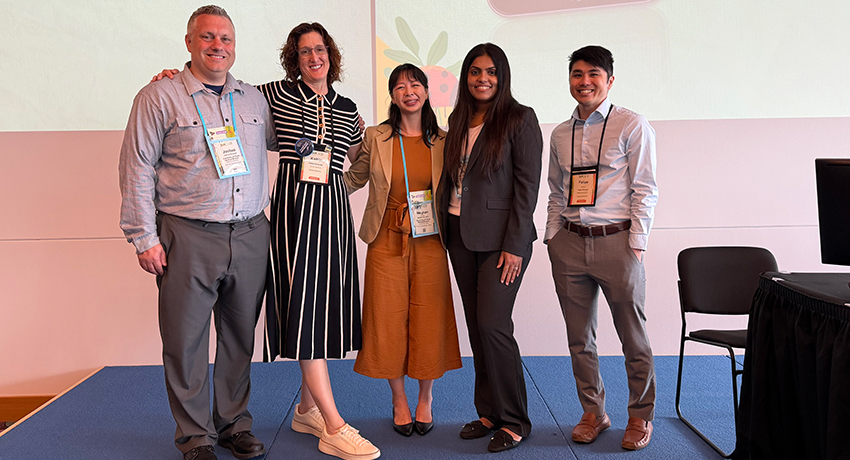
A multidisciplinary team from The University of Texas Medical Branch (UTMB) recently traveled to Verona, Wisconsin, to share their specialty pharmacy innovations with health systems from across the country at Epic’s Expert Group Meetings (XGM).

The University of Texas Medical Branch (UTMB) is accepting applications through April 10 for the Innovation in Life Sciences Summer Camp, a four-day immersive program designed to inspire the next generation of scientific and entrepreneurial leaders through hands-on learning and real-world problem solving.
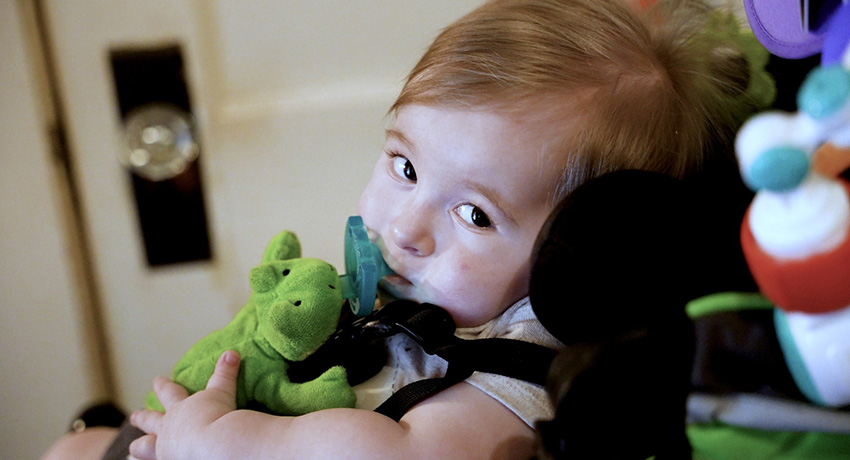
Spinal muscular atrophy (SMA) is a rare inherited neuromuscular condition that causes muscles throughout the body to weaken. It happens because a specific gene, called SMN1, is missing or is not working correctly.
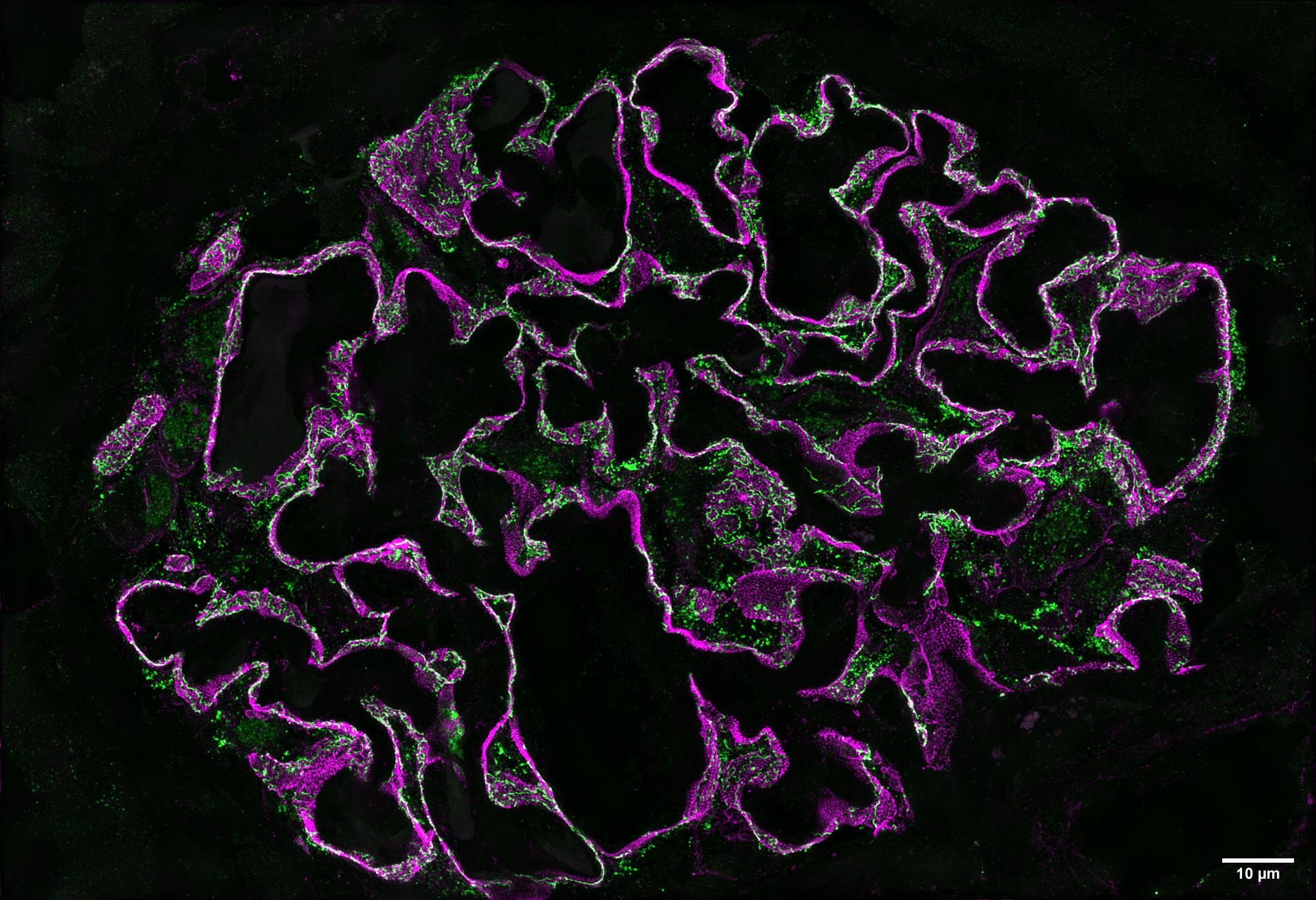
The University of Texas Medical Branch achieved a historic milestone in kidney diagnostics, becoming the first in the world to apply NIPOKA’s Podocyte Exact Morphology Measurement Procedure technology in a clinical setting.
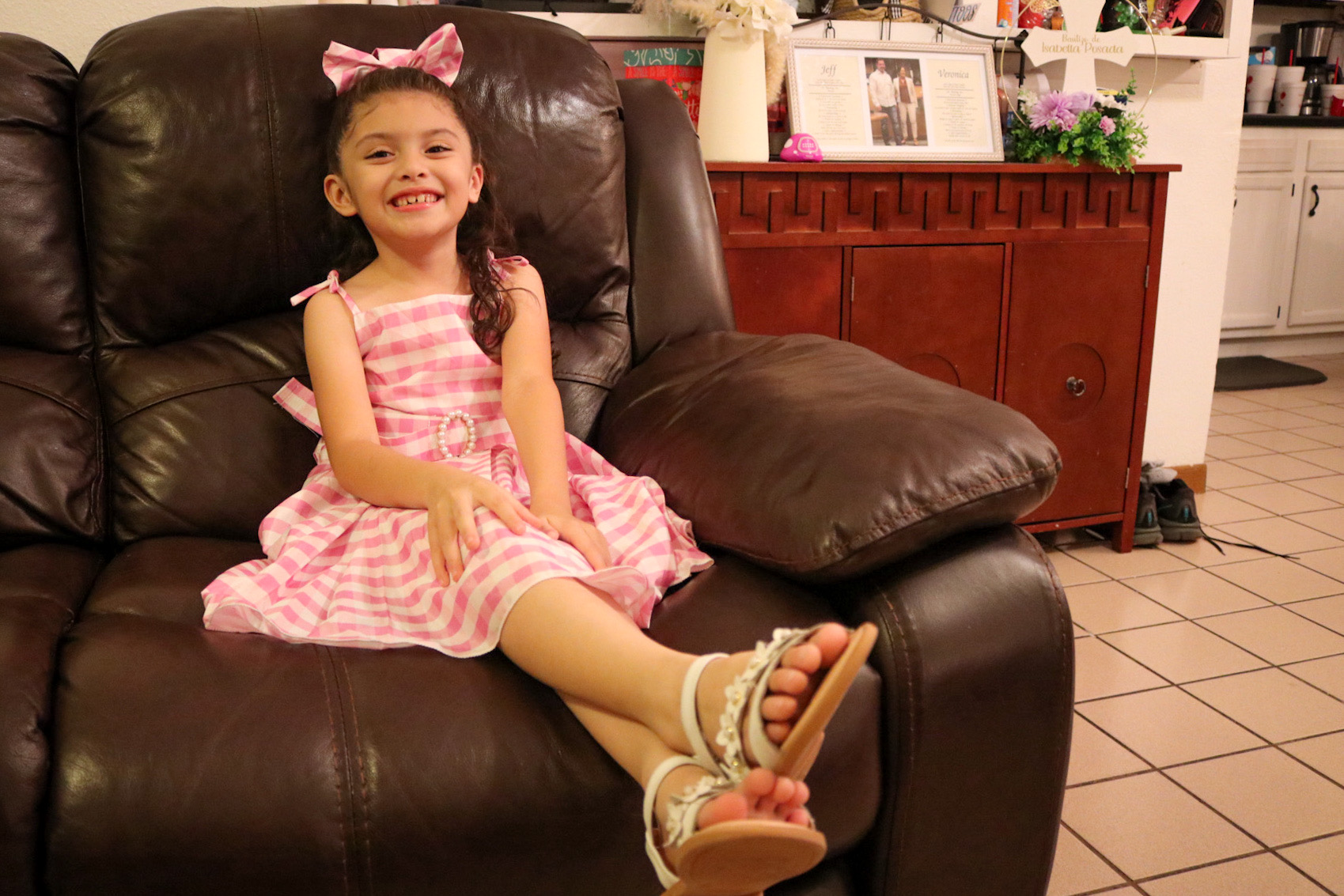
On Oct. 7, 6-year-old Aliah Martinez became the first patient at UTMB Health to receive the world’s newest Cochlear Nucleus Nexa—a “smart” cochlear implant featuring on-board memory and upgradeable firmware.
.jpg?sfvrsn=f9cb9355_1 "CTSA image(2)")
The University of Texas Medical Branch has been awarded a seven-year, $29 million Clinical and Translational Science Award (CTSA) from the National Institutes of Health’s National Center for Advancing Translational Sciences (NCATS) to establish and lead the new Greater Gulf Coast Translational Science Alliance (GGCTSA).

Dr. Jochen Reiser, president of The University of Texas Medical Branch and CEO of the UTMB Health System, is representing Texas and UTMB on the global stage this week at the United Nations General Assembly in New York.
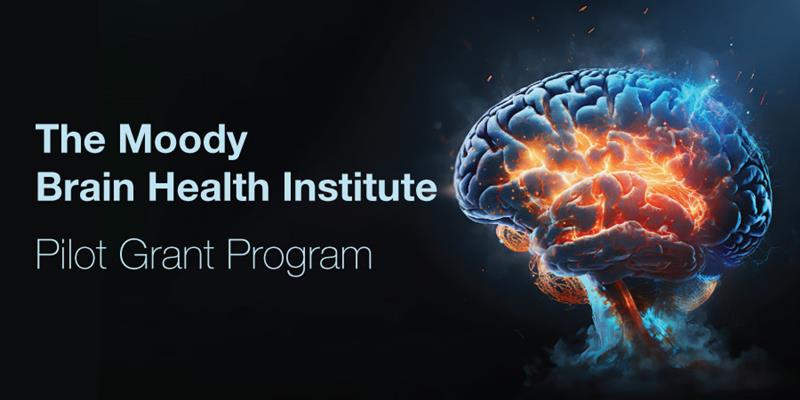
The Moody Brain Health Institute, a neuroscience hub dedicated to rapidly advancing discoveries in biomedical neuroscience into clinical applications, has announced the recipients of its 3rd Annual Collaborative Pilot Grant Program.
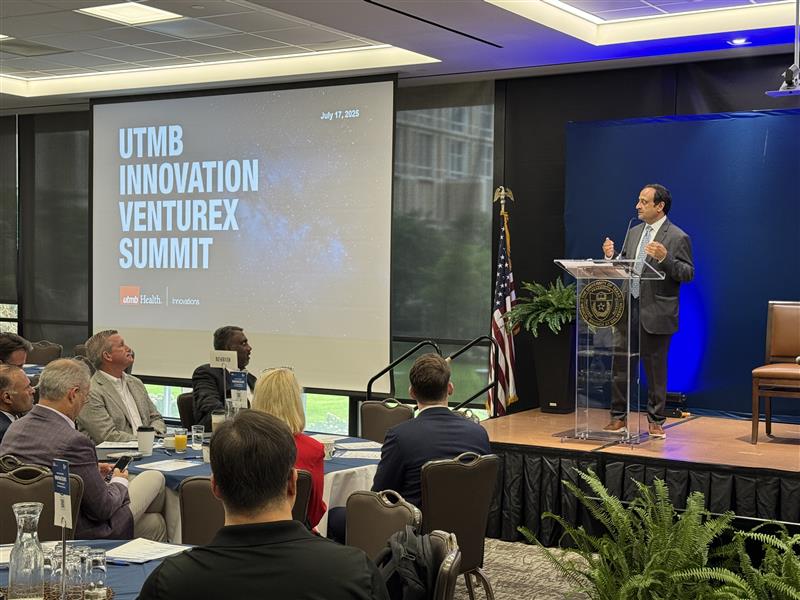
The University of Texas Medical Branch today hosted the inaugural VentureX Summit, a dynamic one-day event that brought together innovators, entrepreneurs, investors, and scientific leaders to explore the future of biotech, health innovation, and translational science.

The University of Texas Medical Branch and Blue Zones, the global leader in longevity research and community well-being transformation, have announced an initiative to launch Blue Zones Ignite in Galveston.
.jpg?sfvrsn=41d0e355_3 "UTMB leaders joined global experts at the Brain Capital summit in Houston, where President Dr. Jochen Reiser led a panel discussion on accelerating health care innovation and advancing brain health as a driver of economic growth.")
The University of Texas Medical Branch joined global business and policy leaders this week for a landmark “Brain Capital” summit focused on positioning brain health as a vital economic driver.