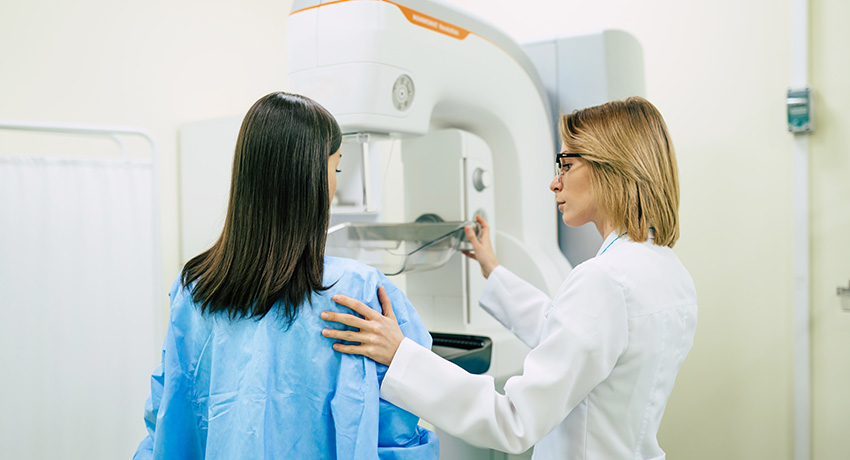
There is no one-size-fits-all approach to breast health. Understanding your risk, staying aware of changes, and discussing appropriate screening with your healthcare provider can help support early detection and better outcomes.
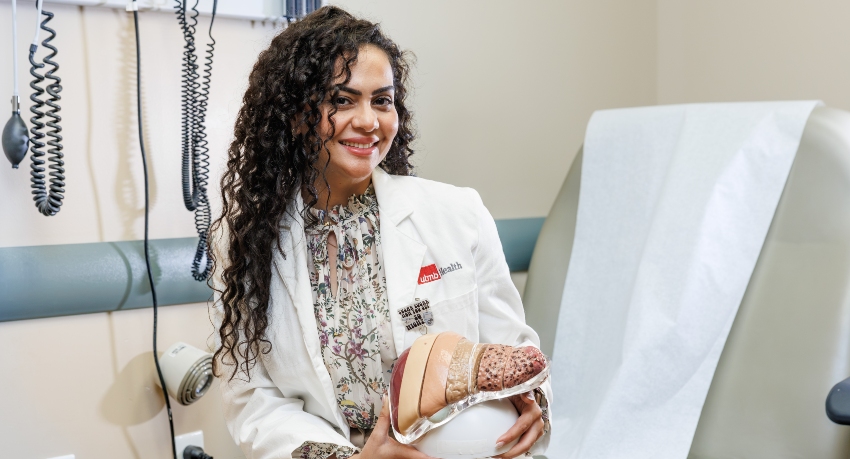
MASLD, formerly known as fatty liver disease, often causes no symptoms but can signal broader metabolic health problems and progress to liver scarring, cirrhosis, or liver cancer.
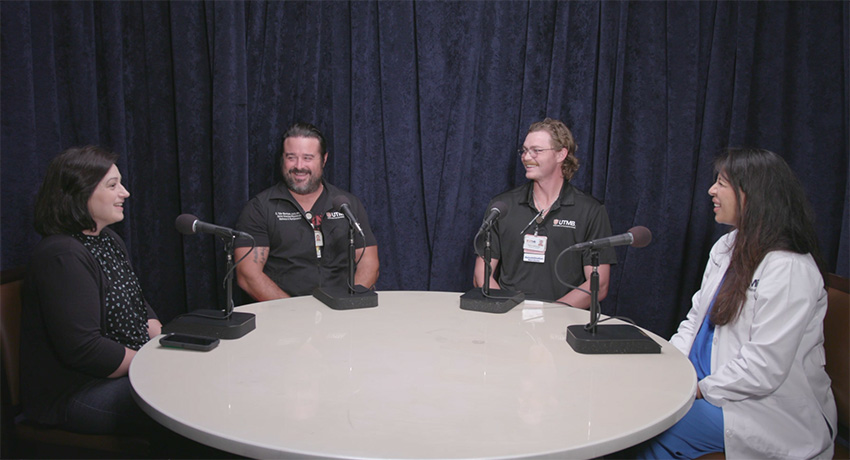
From muscle health to lasting habits, this podcast explores why movement is one of the most powerful tools for preventing disease and improving quality of life.
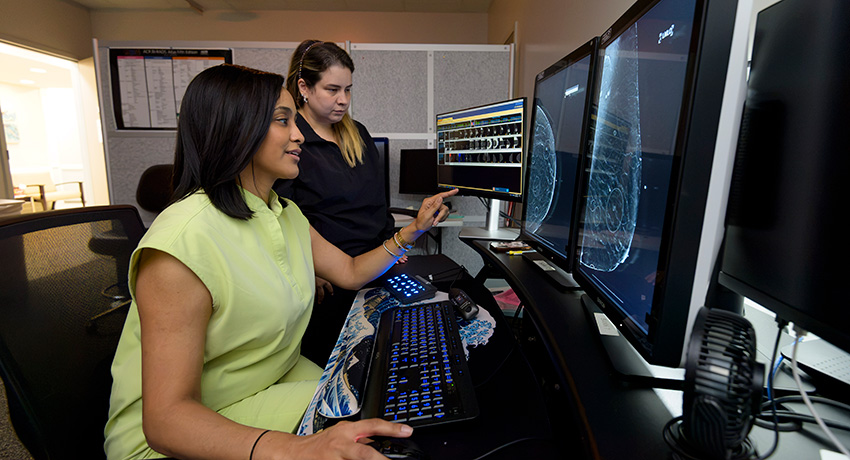
Is it time for your mammogram? This guide explains what women should know about breast cancer screening, including age-based recommendations, risk factors, and the importance of early detection.

Safe sleep can be simple: Babies should sleep on their backs, in their own crib or bassinet, on a firm, flat surface free of blankets, toys, and other soft items. During Safe Sleep Awareness Month, UTMB Health pediatric experts remind parents and caregivers that following these practices every time is best.
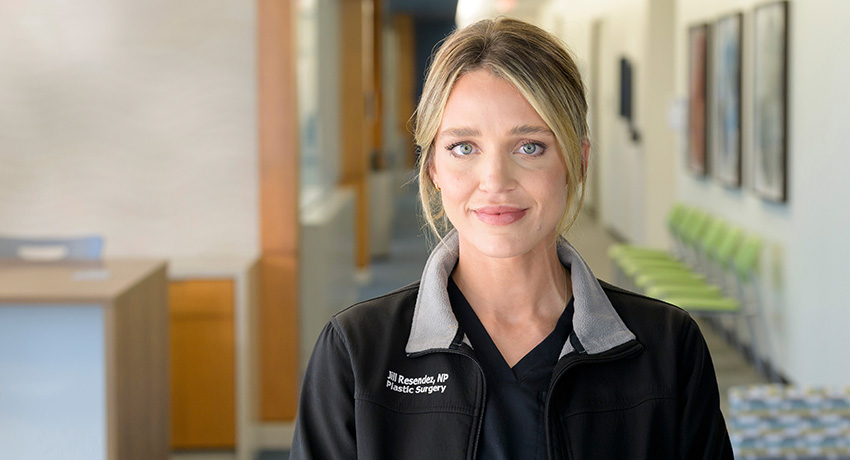
After a mastectomy, breast reconstruction can help restore form and confidence. Discover the reconstruction options available at UTMB Health and how patients are supported at every step of the journey.
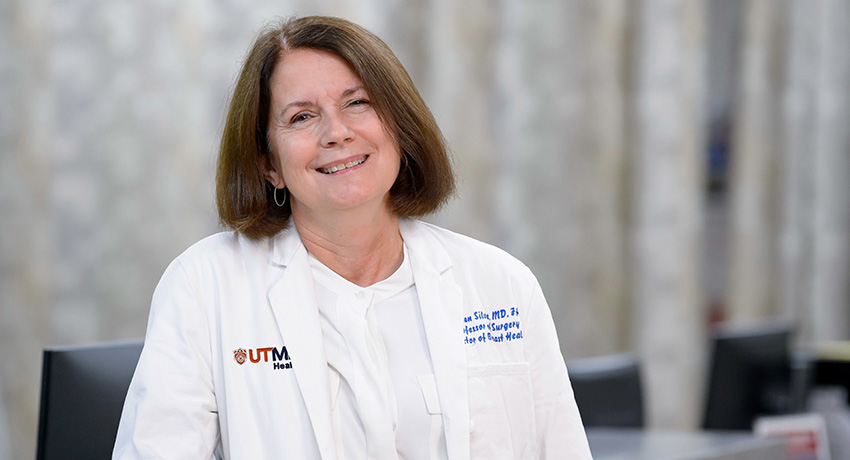
Learn what it means to be at high risk for breast cancer and how personalized screening and prevention strategies can help support early detection.
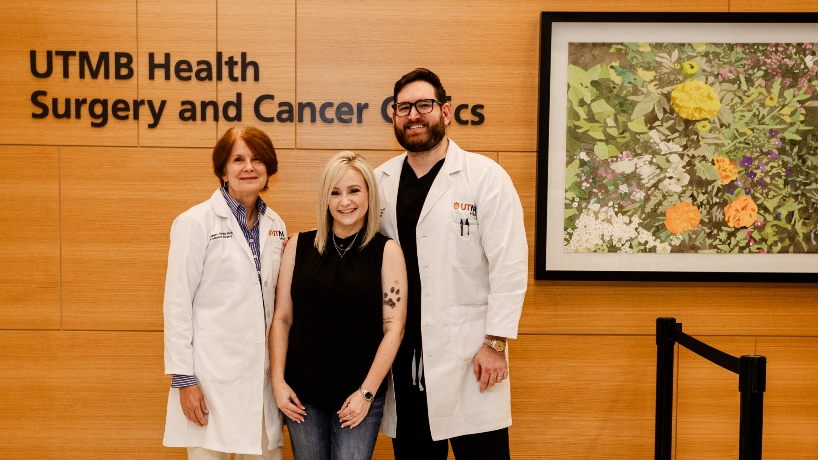
Rachel Compton was diagnosed with breast cancer at 41 despite regular screenings and close monitoring after her sister’s diagnosis. She shares how early detection, self-advocacy, and a trusted care team at UTMB helped her navigate treatment, reconstruction, and life after cancer.
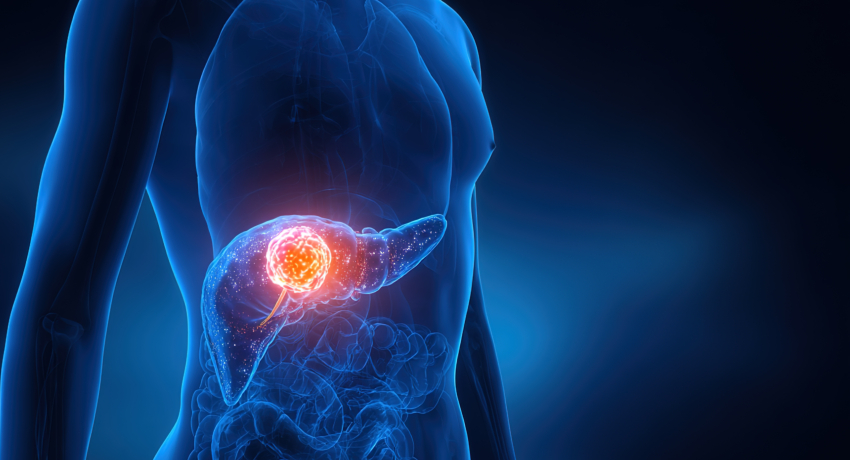
A newly approved targeted drug and promising mRNA vaccine research are creating new possibilities for pancreatic cancer treatment.
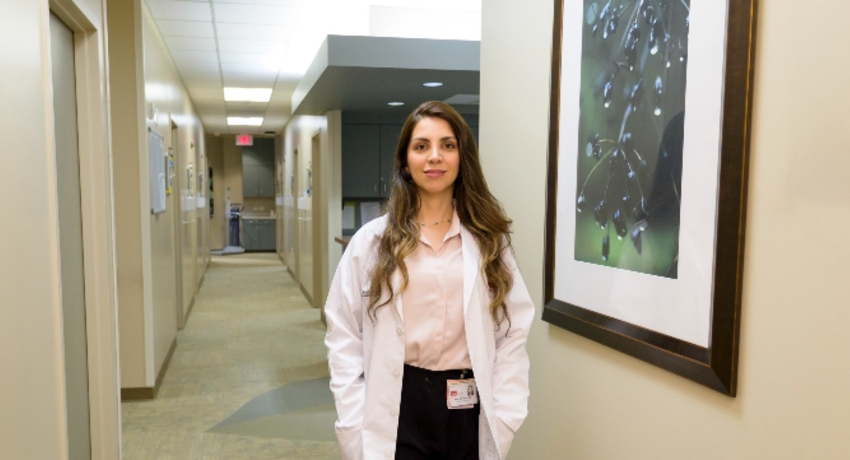
Chronic stress can disrupt immune system regulation and may contribute to symptom flare-ups in autoimmune diseases such as lupus and rheumatoid arthritis.
About The University of Texas Medical Branch
The first academic health center in Texas opened its doors in 1891 and today has four campuses, five health sciences schools, seven institutes for advanced study, a research enterprise that includes one of only two national laboratories dedicated to the safe study of infectious threats to human health, a Level 1 Trauma Center and a health system offering a full range of primary and specialized medical services throughout the Texas Gulf Coast region. UTMB is an institution in The University of Texas System and a member of the Texas Medical Center.