In 2020, Jochen Reiser underwent a routine medical scan that revealed something he hadn’t expected.
The coronary calcium scan showed a small amount of calcium buildup in his heart. It wasn’t enough to trigger alarm bells, and by all other measures, he was healthy.
But the results stayed with him. If left unaddressed, a calcium buildup can lead to hardened plaque inside your artery walls, thereby restricting blood flow and increasing the chance of a heart attack.
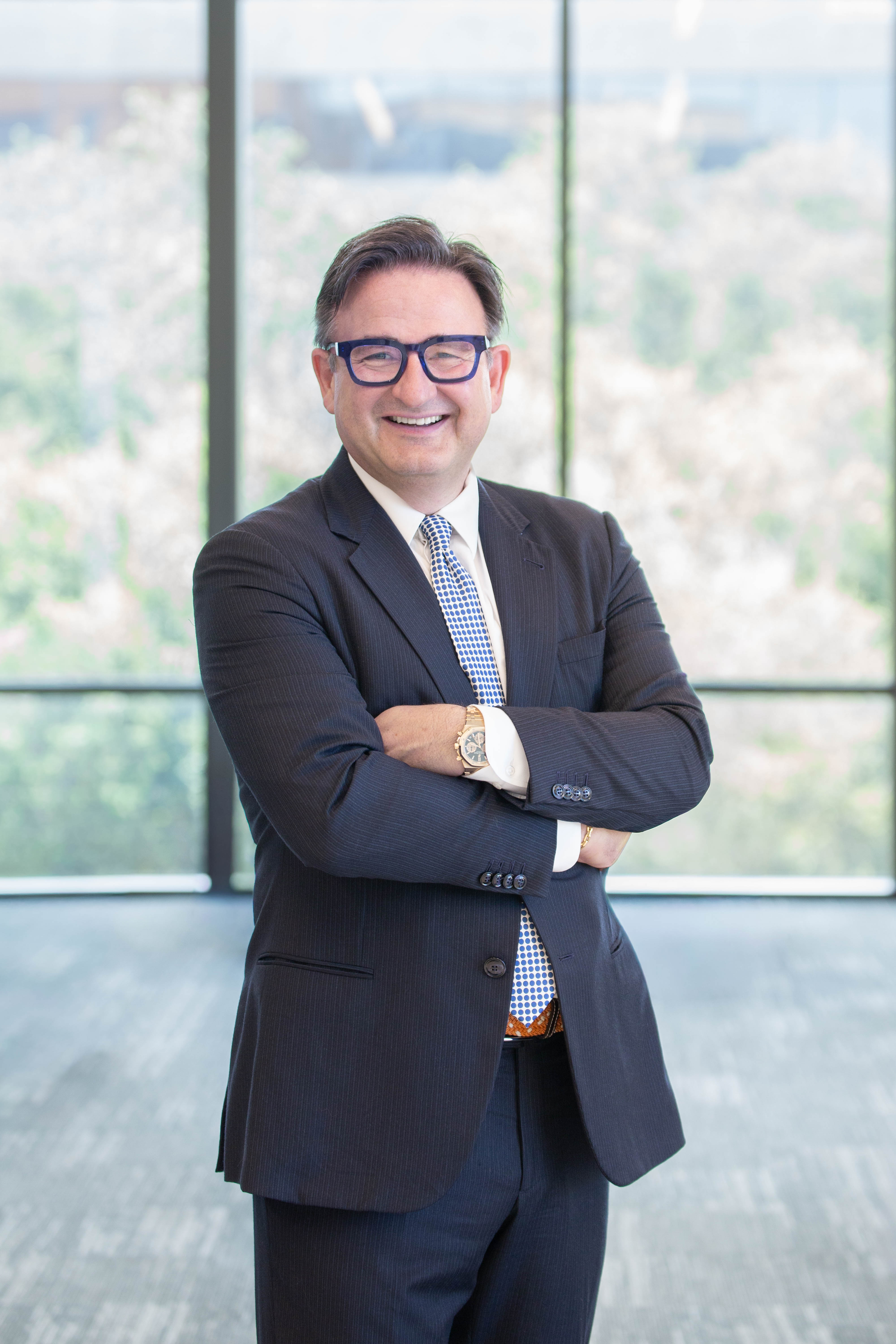
Reiser knew this firsthand—he’s a longtime physician, President of The University of Texas Medical Branch (UTMB), and CEO of the UTMB Health System. He also knew the scan had given him an opportunity to act before a serious problem emerged.
“It gave me a decade earlier to do something about it,” he says. “So it’s really empowering if you use it the right way.”
Reiser adjusted his diet, began taking medication that lowered his risk of heart attack, and made a conscious effort to focus on his heart health. The experience reinforced something he had already begun to believe as a physician and healthcare leader: some of the most important healthcare happens long before someone becomes a patient.
That philosophy is increasingly shaping the work of Reiser’s team at UTMB. While they deliver world-class care when patients face serious illnesses or injuries, the institution is also helping people stay healthy enough that they may never need a hospital stay in the first place.
“You can’t just deliver care the same way we used to, where you say, ‘Come to us when you feel bad,’” Reiser says. “It has to shift more toward prevention.”
For generations, healthcare has been a reactive industry—patients seek out care at hospitals or physicians’ offices, then return home after healing. But advances in science, technology, and medicine are creating new opportunities to identify risks sooner and help people make choices that support long-term health. In this new frontier, UTMB is a trailblazer. Through multiple innovative initiatives, UTMB is helping people live healthier lives far outside the confines of any hospital or doctor’s office.
“We want to understand the whole human,” Reiser says. In doing so, UTMB can “unleash and unlock the biological potential of everyone to live longer, happier.”
Put another way, Reiser says UTMB doesn’t want people to simply accumulate years; what matters is that those years are healthy and fulfilling.
This shift is influencing everything from the way UTMB studies aging to how it engages with residents across Galveston.
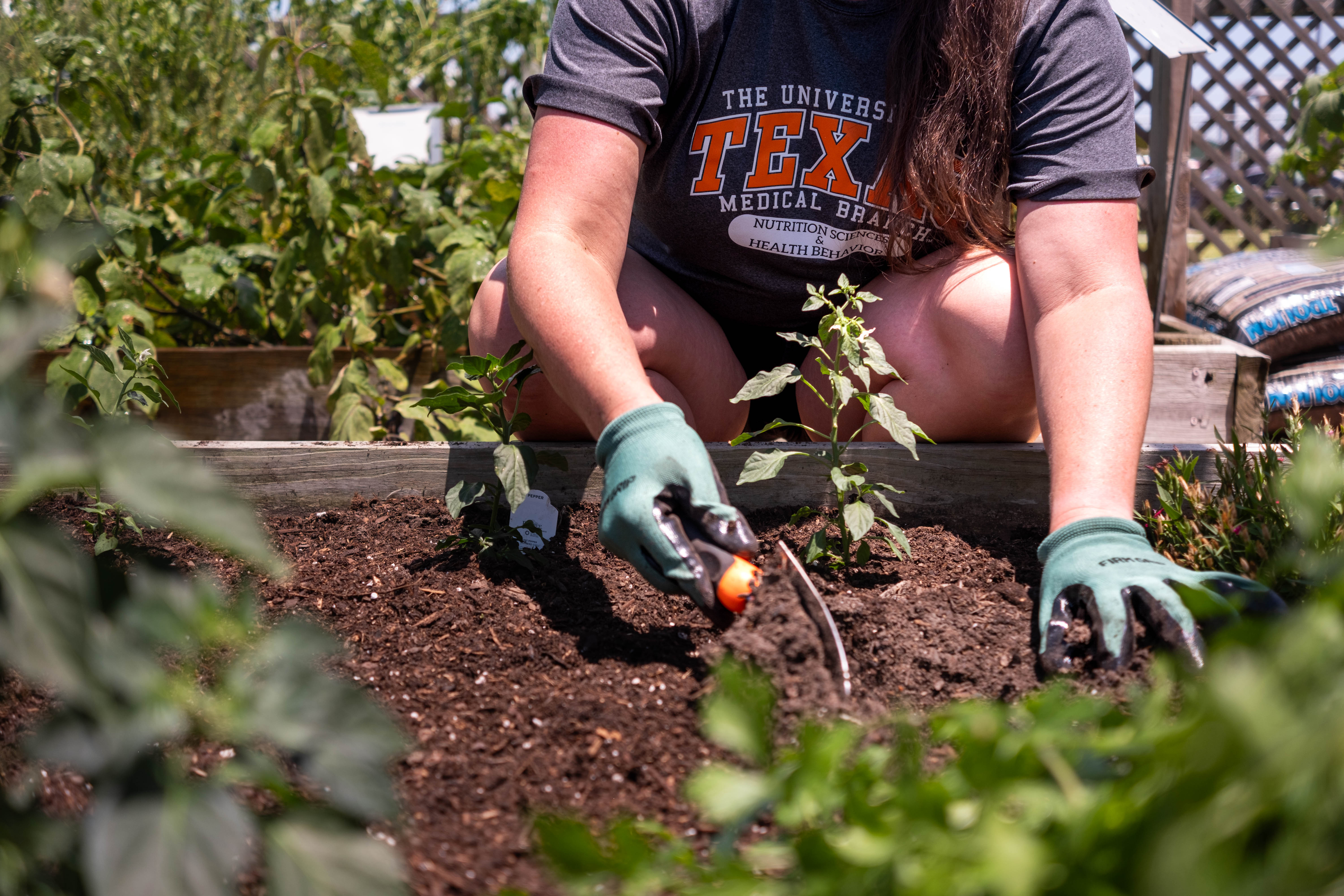
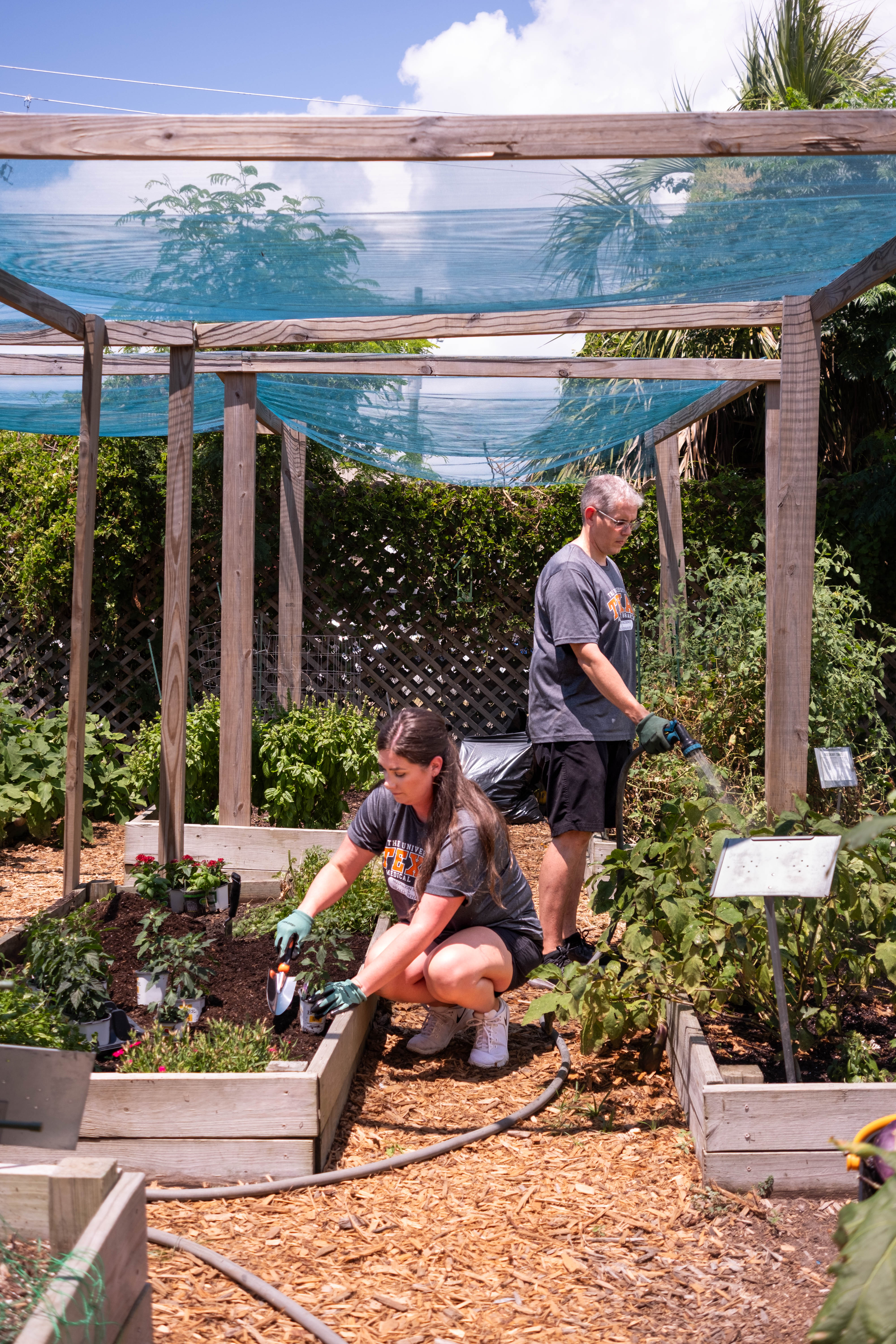
One example is the Blue Zones Project Galveston, a community-wide initiative based on lessons from places around the world where people routinely live longer, healthier lives. The regions, often referred to as “blue zones,” include Okinawa, Japan (home to some of the world’s longest lifespans) and Sardinia, Italy (where many centenarians can be found enjoying delicacies like red wine, savory flatbread, and pecorino cheese). Researchers studying these populations have identified common factors that support longevity, such as walkable environments, daily routines that reduce stress, and consistent access to nutritious, balanced foods.
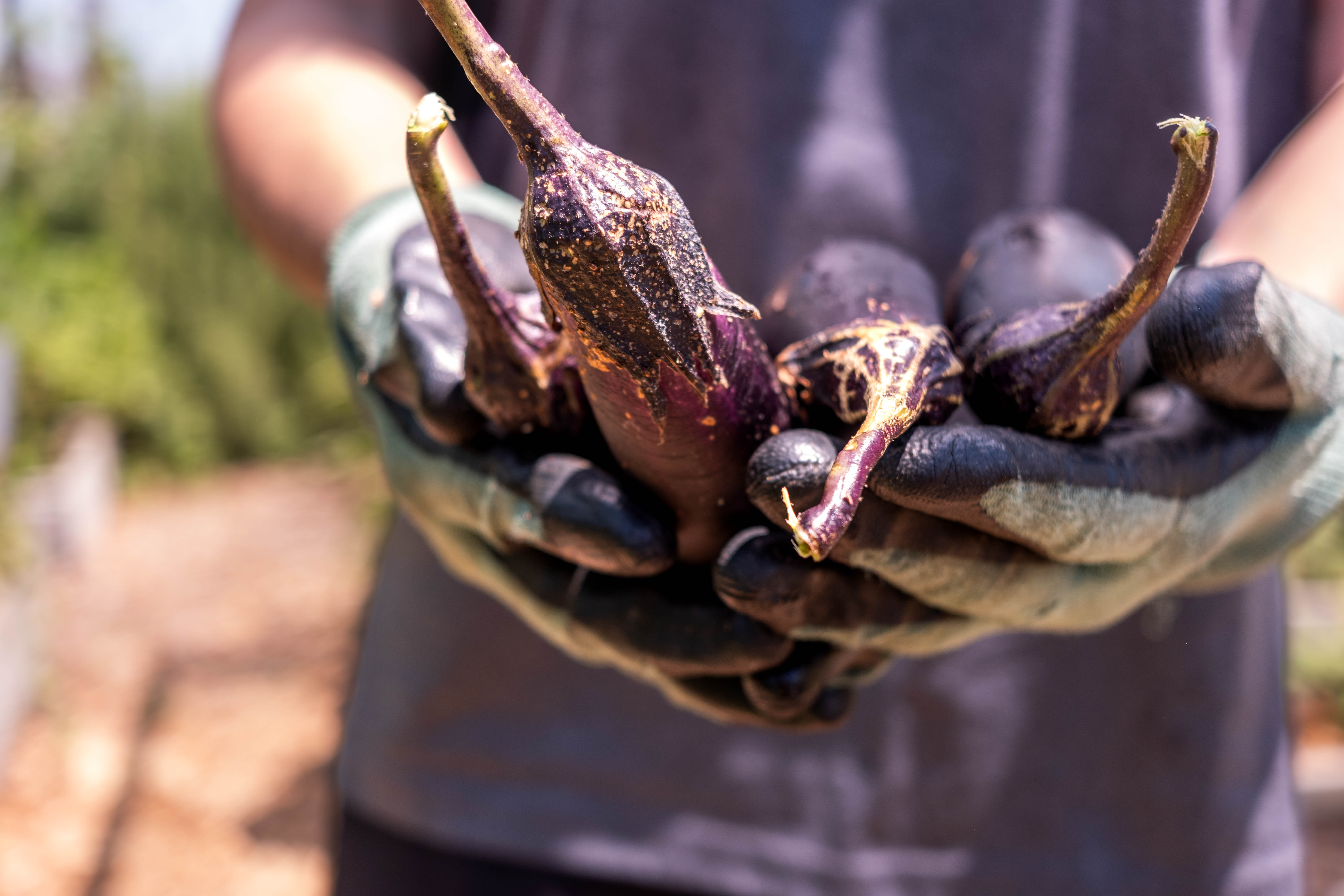
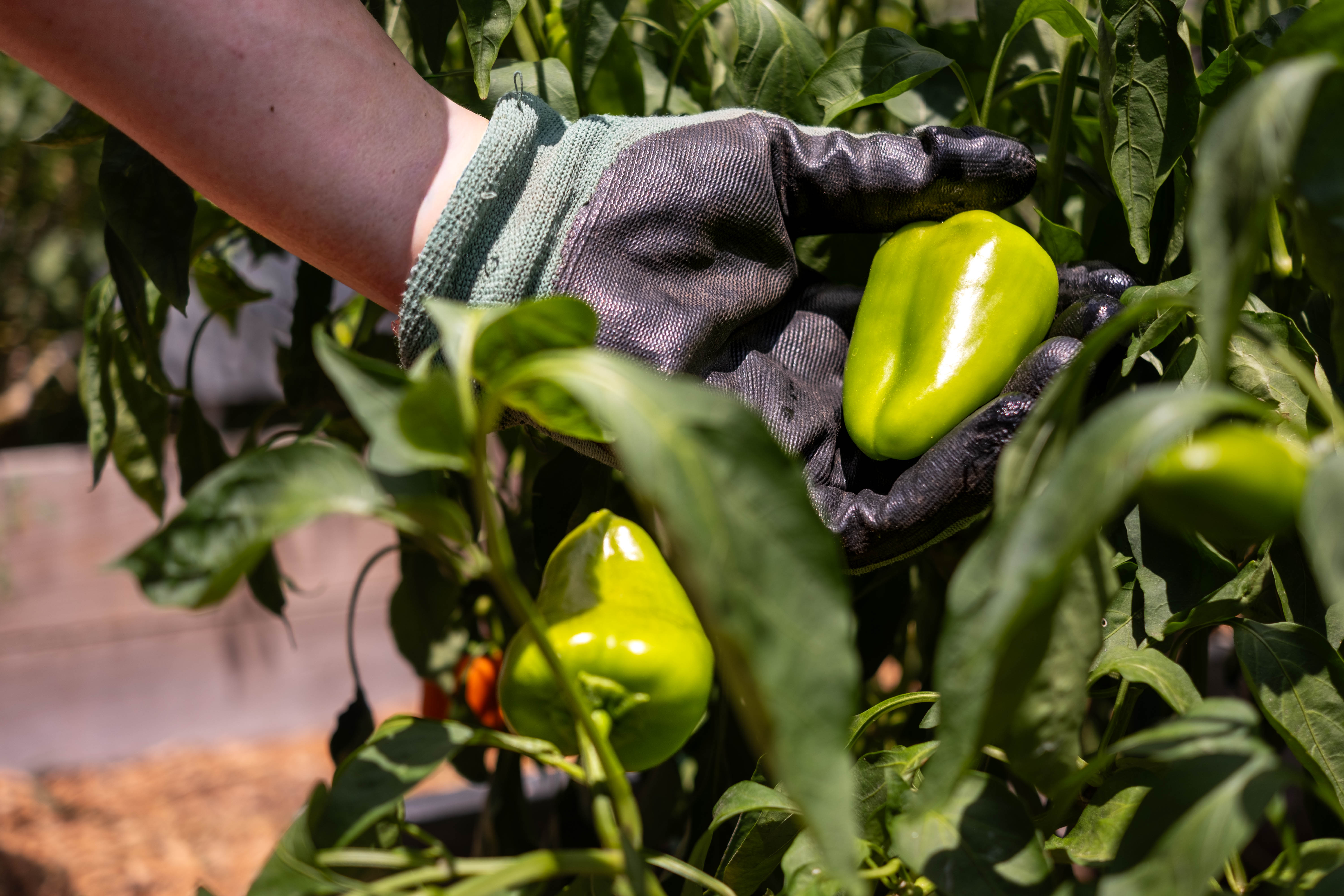
“Food as medicine is another component of increasing longevity,” Reiser says.

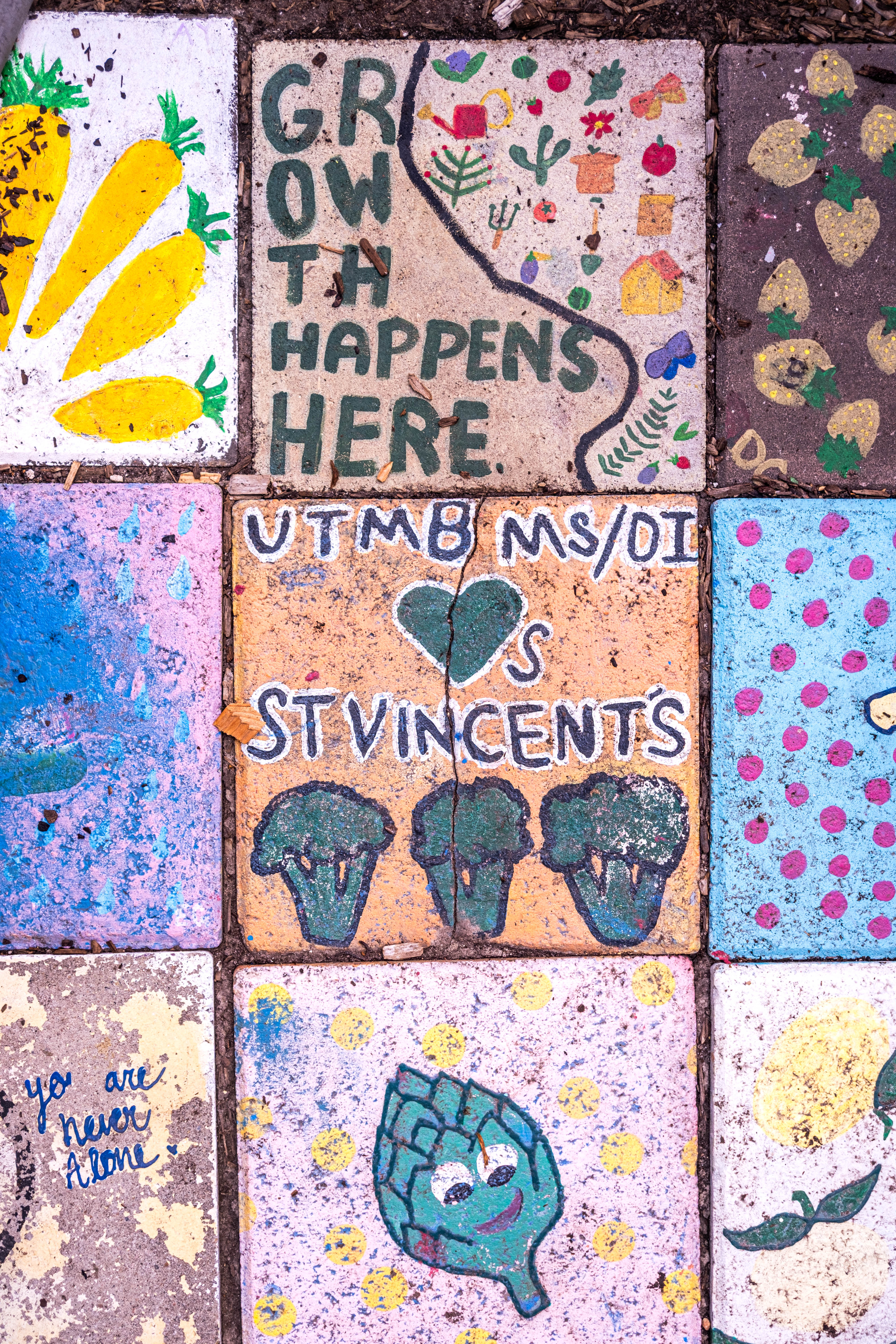
The Galveston initiative applies these principles locally, with UTMB collaborating with employers, restaurants, neighborhoods, and community partners to encourage healthier lifestyles. Efforts include expanding access to fresh foods, creating more opportunities for physical activity, and supporting environments that make healthy choices easier and more sustainable.
What’s more, UTMB is the first academic health science center to lead such an effort, allowing researchers to measure the initiative’s impact with the same rigor they would apply to a clinical study. Reiser thinks Galveston is the perfect setting for such a program—it’s an island that’s not too big in size, and it’s already home to a tight-knit community where people look after one another.

The initiative complements other major research at UTMB focused on healthy aging, disease prevention, and brain health.
The Moody Longevity Trial is one such example. The study is testing tirzepatide, an FDA-approved medication commonly used for weight management, to determine whether it can influence biological age and improve factors such as mobility, cognitive function, energy levels, and overall quality of life. More specifically, researchers are using advanced biomarkers known as DNA methylation clocks to measure whether participants’ biological age changes over time and whether those effects persist after treatment ends.
The success of studies like this one will not be measured only by how long people live, but by how well they live, and whether they can remain independent, connected, purposeful, and engaged throughout their lives. Brain health is just as important as the rest of a person’s health in this regard, and UTMB is committed to leading the charge here as well. Across research, clinical care, education, and community partnerships, UTMB is working to better understand how to protect and support cognitive health throughout life, identify risks earlier, and develop innovative approaches that help people maintain brain function and independence as they age. Brain health is deeply connected to cardiovascular health, metabolic health, mental health, physical activity, nutrition, sleep, and social engagement. When we improve brain health, we improve overall health.


The Galveston Heart Study is taking a broader look at the factors that shape that overall long-term health. Led by cardiologist Dr. Hani Jneid from the Sealy Heart and Vascular Institute, the initiative will follow thousands of Galveston County residents for years—and eventually decades—so doctors can better understand how cardiovascular health, brain health, and aging intersect.
“It’s a little bit like the Framingham database,” Reiser says, referring to the landmark 1948 study that transformed medicine’s understanding of heart disease by identifying many of the risk factors that physicians now routinely screen for, including smoking, high blood pressure, and high cholesterol.

Like its predecessor, the Galveston Heart Study will collect a wide range of health information, including blood biomarkers, imaging results, genetic data, and lifestyle factors. Researchers hope the findings will reveal why some people remain healthy as they age while others develop chronic disease, ultimately helping physicians identify risks earlier and intervene before serious health problems emerge. Further, to ensure no stone is left unturned, UTMB is also using artificial intelligence (AI) as a complement to its physicians’ work and the doctor-patient relationships they build.
For instance, large language models are used to sift through reams of radiological data and identify risk factors so that Texans like Reiser can implement a thorough game plan for improving their short- and long-term health.
Together, the studies represent an approach to medicine that’s rooted in proactive understanding and intervention.
“This is not a fragmented plan,” Reiser says. “It’s a comprehensive plan that has the top brain health and mental health and health span and all the other elements—whether it’s AI implementation, Blue Zones, or more preventive-oriented primary care—all of those are the tools to get us there.”




And for Reiser, the work is personal.
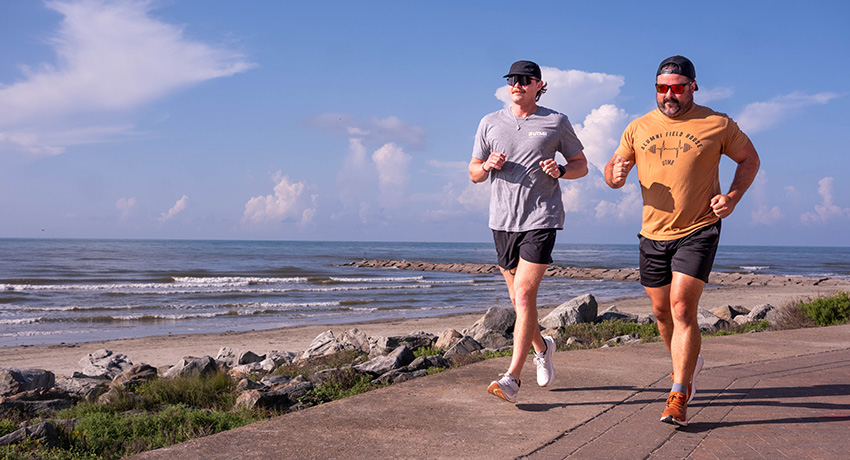
Like many people, he admits that learning about his own health risks initially created anxiety. After receiving the results of his calcium scan, he found himself paying close attention to every run and every workout.
“The first half year after I got the diagnosis, when I was going for my little three- or four-mile run, I was like, ‘Is the heart okay?’”
Over time, however, that concern transformed into something more productive. Instead of fearing the future, he began preparing for it.

Today, he sees that experience as a reminder of what prevention can accomplish. The goal isn’t to eliminate every risk or guarantee perfect health. Rather, UTMB’s elite team wants to identify opportunities early enough that people can make meaningful changes while they still have time.
In other words, Reiser doesn’t want to merely increase someone’s lifespan; he wants to increase your health span: “the years that one has without disease.”
It’s a powerful and natural next step for a healthcare institution that’s long invested in helping Texans during some of the most difficult moments of their lives.
After all, the best hospital visit may be the one that never happens.
The above story was produced by Tyler Hicks with Texas Monthly as part of a sponsored content series about The University of Texas Medical Branch (UTMB).
Photography by Jenn Duncan