The University of Texas Medical Branch in Galveston and Texas A&M University recently received a $7.6 million grant from the National Center for Advancing Translational Sciences to establish a center dedicated to promoting women's and pregnancy health research.
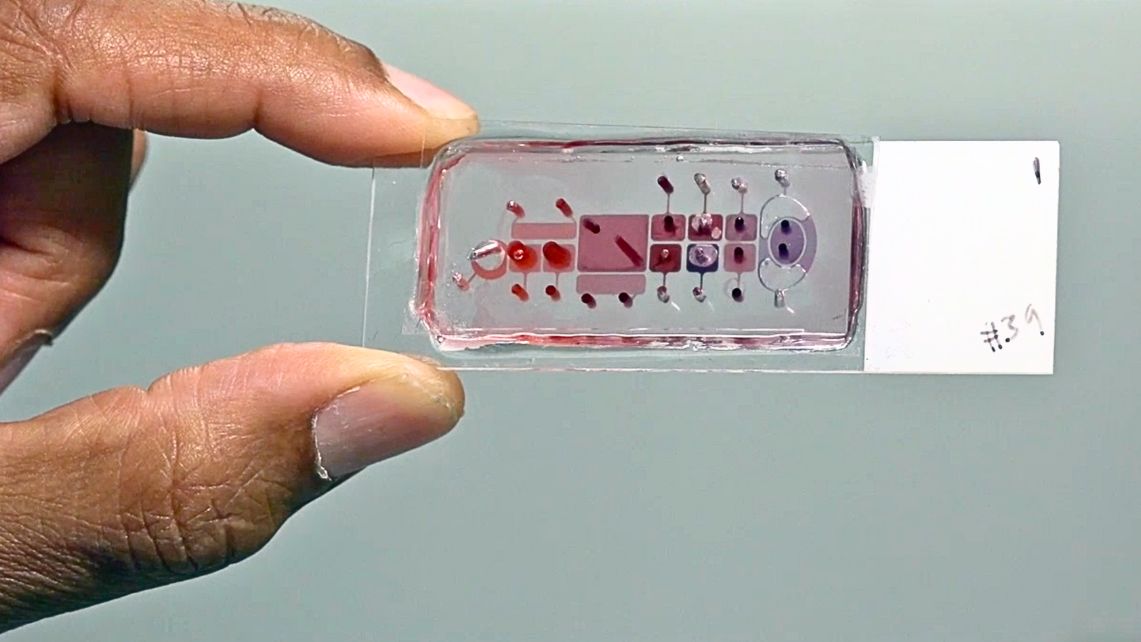
This major initiative aims to advance already developed cutting-edge Microphysiological Systems (MPS), also called organ-on-a-chip, to replicate all aspects of the human female reproductive organs involved in pregnancy, into drug development tools.
Dr. Ramkumar Menon, professor in the Department of Obstetrics and Gynecology, and Director of the Basic and Translational Research Division at UTMB, explains how he and his team have researched the mechanisms and pathways leading to adverse pregnancy outcomes, specifically spontaneous preterm birth, for over 30 years. As he explains in the following video, Menon and his team developed the technology to study gestational disease using miniature organ models using human cells embedded in silicon surfaces.