Geri-Fit, a community-based, progressive-resistance strength-training program led by the Patient Education Program (PEP) at The University of Texas Medical Branch (UTMB Health), is helping older adults build more than muscle.
According to a new study published in the journal Healthcare, participants saw improvements in cholesterol, blood sugar, mobility, balance, and overall well-being after just 12 weeks.
The findings suggest that structured resistance training delivered in community settings may help older adults stay healthier, more active, and more independent as they age.
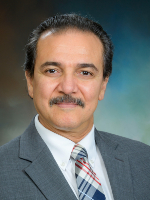 “Maintaining strength and mobility is one of the most effective ways older adults can preserve their independence and quality of life,” said Dr. Hani Serag, associate professor in the Department of Population Health and Health Disparities at UTMB and the study’s corresponding author. “Our findings show that community-based strength training can produce meaningful improvements in both physical health and how people feel in their daily lives.”
Geri-Fit is an evidence-based, progressive-resistance exercise program recognized by the National Council on Aging. At UTMB Health, it is offered through partnerships with senior centers, libraries, churches, and other community organizations across Galveston and Harris counties.
For the study, researchers enrolled 227 adults ages 60 and older who attended 45-minute Geri-Fit classes twice a week for 12 weeks. Participants completed strength-training exercises using light dumbbells, resistance bands, and chairs, along with stretching, balance, and flexibility exercises.
Measurable differences
Researchers measured weight, waist circumference, cholesterol, and blood sugar levels before and after the program. They also surveyed participants about their physical function and overall health.
Among participants who completed follow-up testing:
- Total cholesterol dropped by an average of about 7%, a statistically significant improvement.
- Nearly half improved their blood sugar control as measured by hemoglobin A1c.
- Forty-four percent lost weight.
- Nearly half reduced their waist circumference.
Nearly every participant said they maintained or improved their mobility, strength, balance, walking ability, physical activity, and general well-being. Many also reported greater confidence, more energy, and less fear of falling, an important factor in helping older adults remain independent.
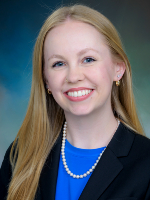 “Exercise isn't only about preventing disease — it’s about helping people continue doing the things that matter most to them,” said Allyson Mark, MPH, research coordinator for PEP at UTMB, lead author of the study, and researcher in the Department of Population Health and Health Disparities. “Participants consistently described feeling stronger, more confident, and more connected to their communities through the program.”
Participants shared examples of improvements that extended beyond laboratory measurements. Some said they could step onto curbs without holding a railing and reach overhead more easily, walk longer distances, and complete everyday tasks with greater confidence. Others highlighted the friendships and encouragement they found by exercising together.
Researchers say the program demonstrates how academic medical centers can partner with local organizations to bring evidence-based wellness programs directly into the community.
Helping older adult stay fit
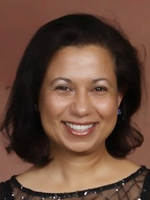 “As our population ages, helping older adults remain active and independent will become increasingly important,” said Dr. Hanaa Sallam, co-principal investigator for PEP. “Programs like Geri-Fit create opportunities for people to improve their health before they need more intensive medical care.”
The authors note that additional research involving larger, more diverse groups and comparison populations will help further validate the program's benefits. However, the results support Geri-Fit as a practical, community-based strategy for promoting healthy aging and reducing the risk of chronic disease.
Additional UTMB researchers involved in this study: Wei-Chen Lee, PhD; Carlos Clark, DO, CMIO; Namita Bhardwaj, MD, MS, MPH; and Michael Goodman, MDiv, MPH, DrPH.