
Every three months, one inpatient and one ambulatory unit will be recognized for exemplifying our commitment to compassion and excellence.
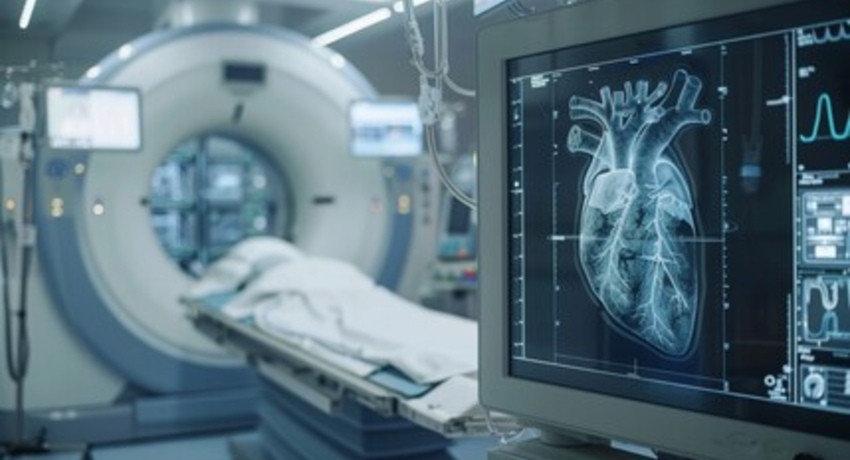
UTMB specialists introduced a new system that tailors CT heart scans to the individual patient and minimizes radiation exposure.
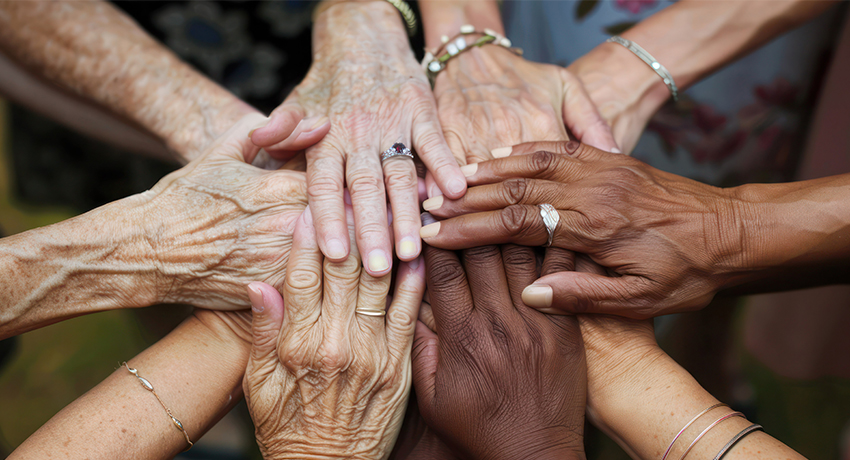
UTMB is partnering with research leaders across the country to investigate a newly identified driver of aging—and to explore whether a targeted antiviral therapy could help extend health and independence later in life.

Dr. Tina Wang, professor at The University of Texas Medical Branch (UTMB), has been elected to the American Academy of Microbiology’s 2026 class of Fellows.
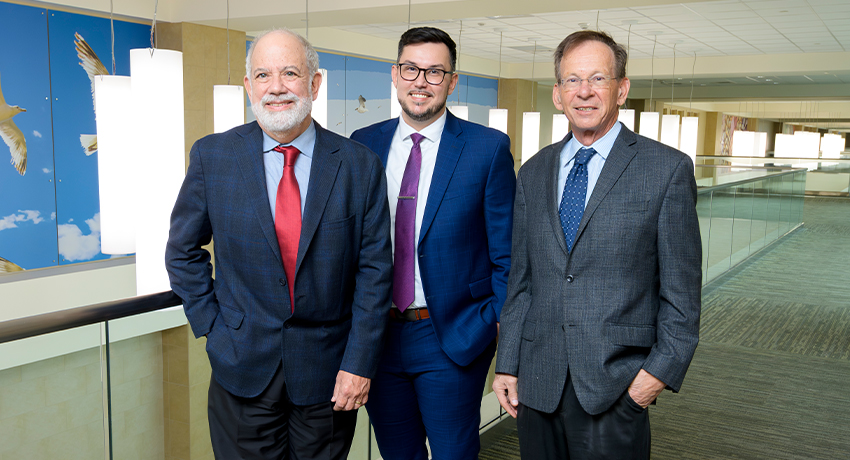
Researchers at The University of Texas Medical Branch have launched a study exploring whether an existing medication can actually slow the pace of biological aging. Early insights could help redefine what healthy aging looks like.
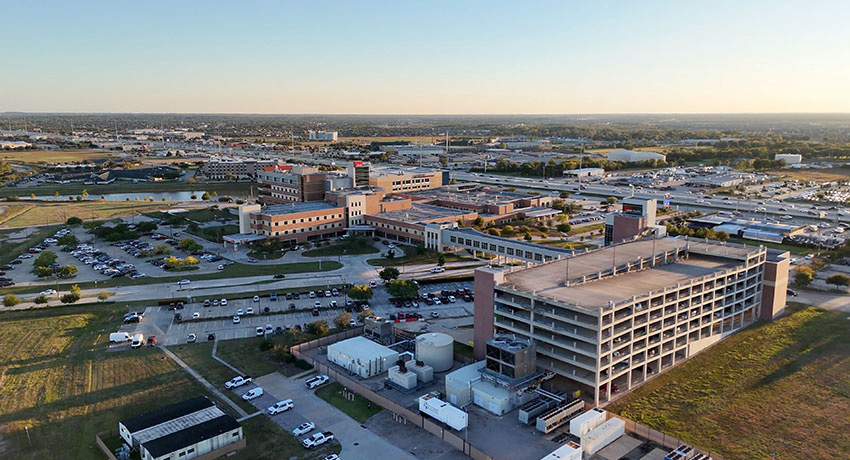
The UT System Board of Regents approved a $300 million expansion project at the UTMB Health League City Hospital Campus. It will bring new advanced diagnostic imaging capabilities for both inpatient and emergency settings, including MRI, CT, ultrasound, and fluoroscopy.
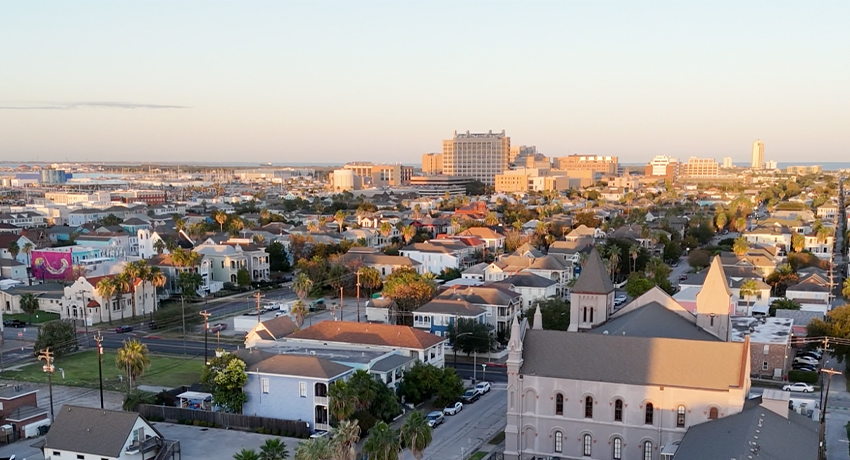
A healthier future for Galveston begins this March as UTMB takes the lead on the Blue Zones Project, a multi-year initiative focused on reshaping the environments where people live, work, and gather. Discover what comes next for the community.
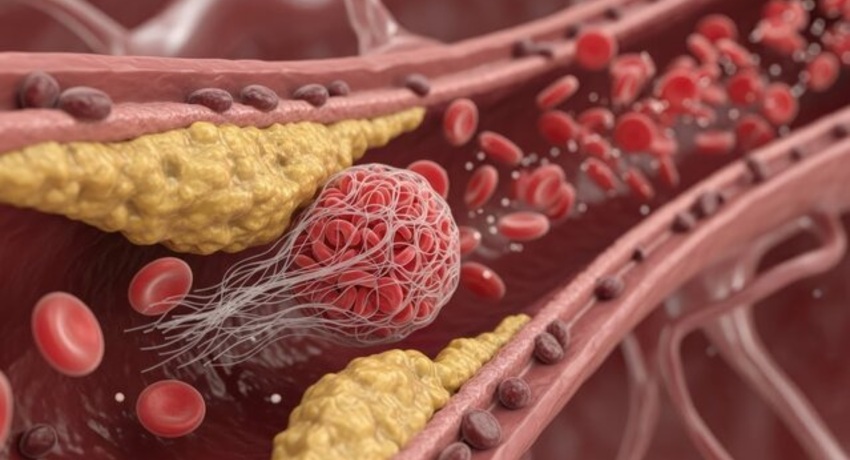
Cerebral embolic protection devices can catch debris during TAVI, but that doesn’t result in fewer strokes or improved survival for the average patient.
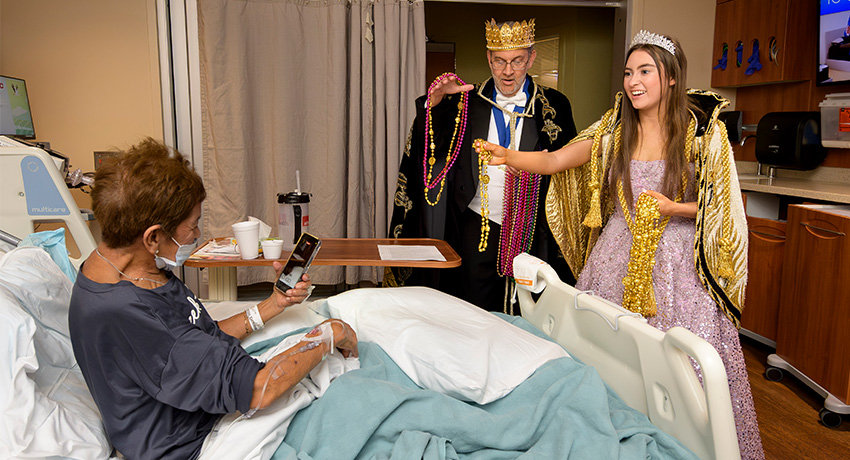
Mardi Gras tradition came to life inside Jennie Sealy Hospital as the Knights of Momus joined UTMB leaders, patients, and families for a celebration rich in history and heartfelt connections.

A nine-year study found that people who smoke when they begin rehab benefit significantly less from these programs than those who do not.