.jpg?sfvrsn=715ad757_1 "heart attack(1)")
A newly published study by researchers at the University of Texas Medical Branch offers fresh insights into a critical public health concern: why Americans live shorter lives compared to people in other wealthy nations.

The University of Texas Medical Branch Antimicrobial Stewardship Program has been designated as a Center of Excellence by the Infectious Diseases Society of America.
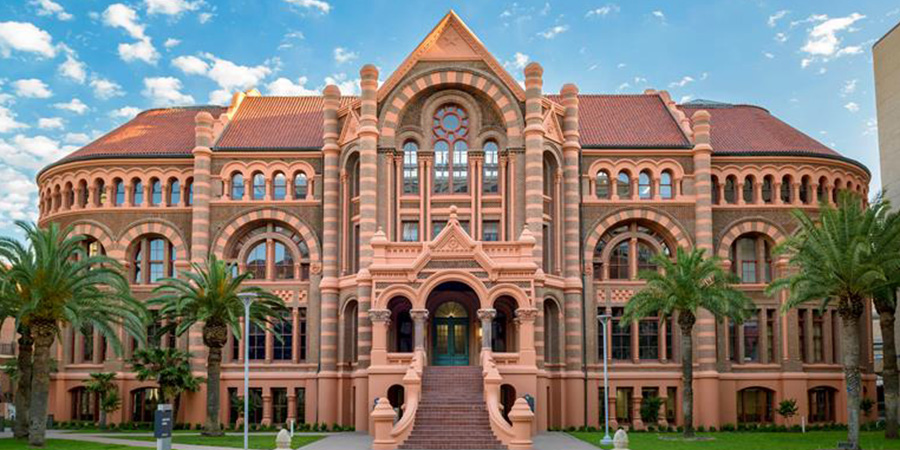
Four of The University of Texas Medical Branch graduate programs have earned “Best Graduate School” honors from U.S. News & World Report.
Patients at The University of Texas Medical Branch Angleton Danbury Campus Hospital can now find efficient, cost-effective and leading-edge minimally invasive care close to home thanks to the introduction of Vascular and Interventional Radiology.
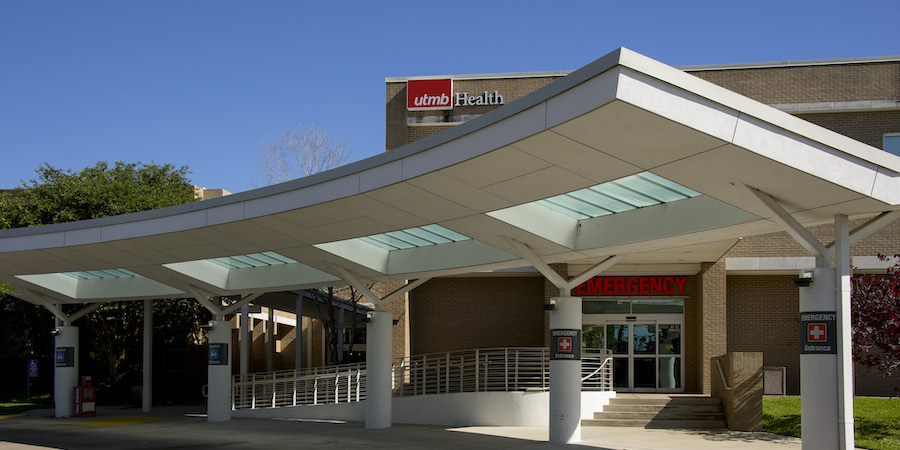
The University of Texas Medical Branch Angleton Danbury Campus has been redesignated as a Level IV Trauma Center.
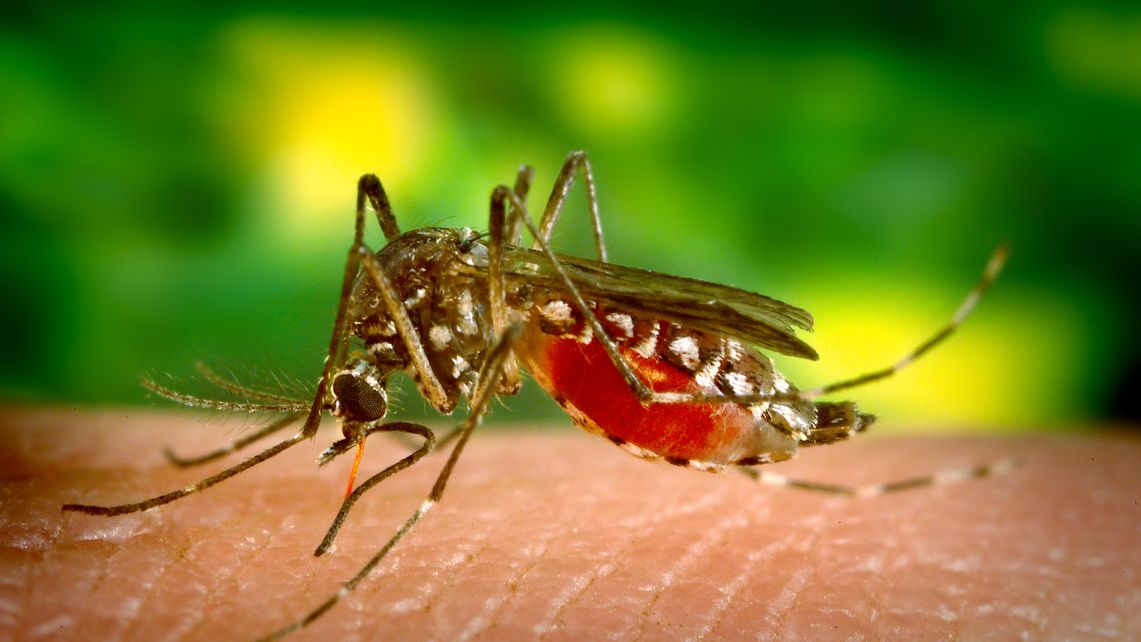
New research out of The University of Texas Medical Branch reveals findings that drug candidate NITD-688 utilized a unique way to stop dengue, a potentially life-threatening infection spread by mosquitos.
As part of its dedication to enhanced professionalism and law enforcement excellence in public safety and community relations, The University of Texas Medical Branch Police Department voluntarily became a Nationally Accredited Law Enforcement Agency through the Commission on Accreditation for Law Enforcement Agencies (CALEA) in 2012.

Even low levels of daily physical activity can lead to significant improvements in fitness level, social responsiveness, cognitive flexibility, and planning and organizing abilities in autistic adolescents according to a recent study by Dr. Claudia Hilton.
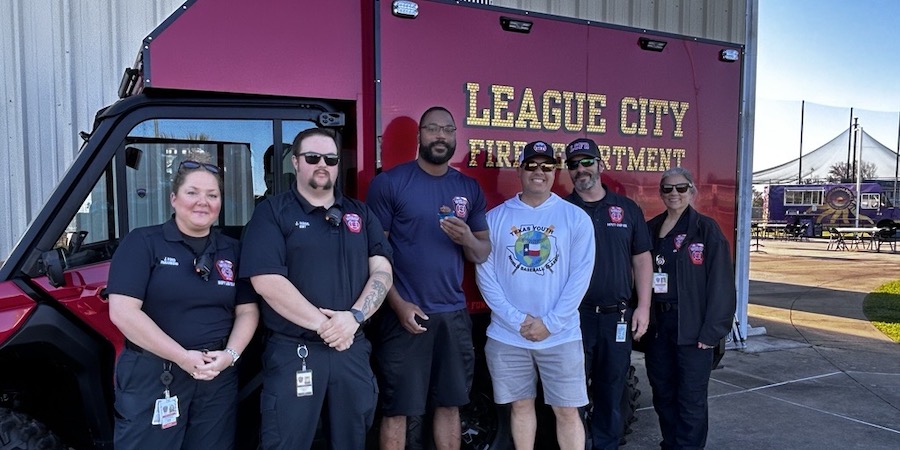
League City police officers, firefighters and emergency medical personnel worked alongside UTMB employees from the Clear Lake, League City and Galveston campuses to support the event that featured 8 to 14 year old children from over 15 countries.
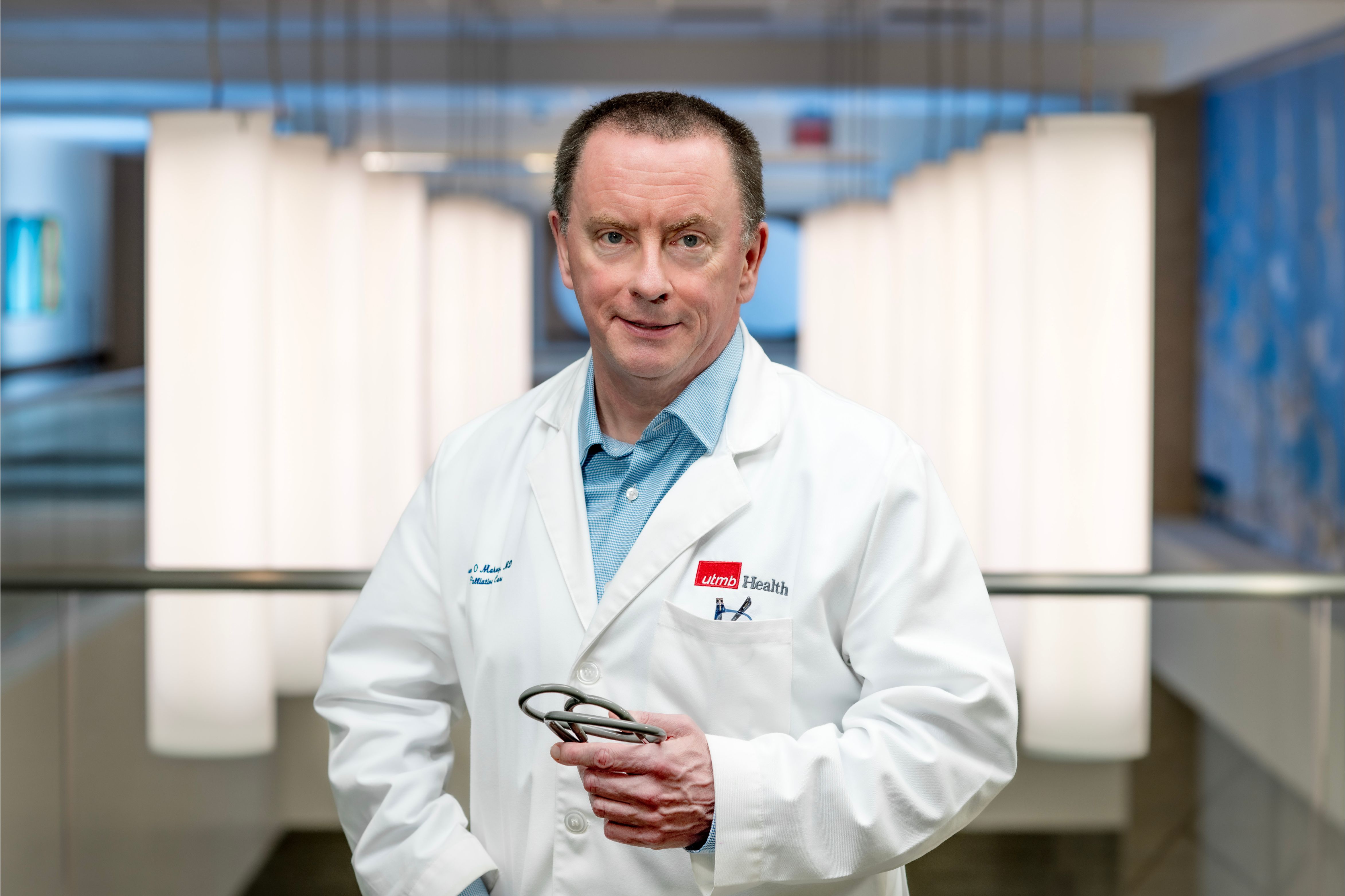
Dr. Sean O’Mahony, director of the Palliative Medicine division, came to UTMB in June, having served as professor and Director of Supportive Oncology and Section Chief at Rush University Medical Center in Chicago, and in key roles at Albert Einstein College of Medicine and Memorial Sloan-Kettering Cancer Center.