
A value-based care initiative at The University of Texas Medical Branch made significant progress toward goals in blood management, antimicrobial treatment, laboratory services, imaging services and opioid stewardship, according to a study published in the Journal of Healthcare Management.

Through the Texas Child Health Access Through Telemedicine (TCHATT) program, members of the University of Texas Medical Branch Psychiatry and Behavioral Sciences Department provide free mental health services to students in school districts across the region.

A mRNA vaccine protects against Andes virus in an animal model, according to a new study by UTMB scientists. Andes virus is a prominent rodent-borne virus in South America and has human fatality rates up to 30 percent.
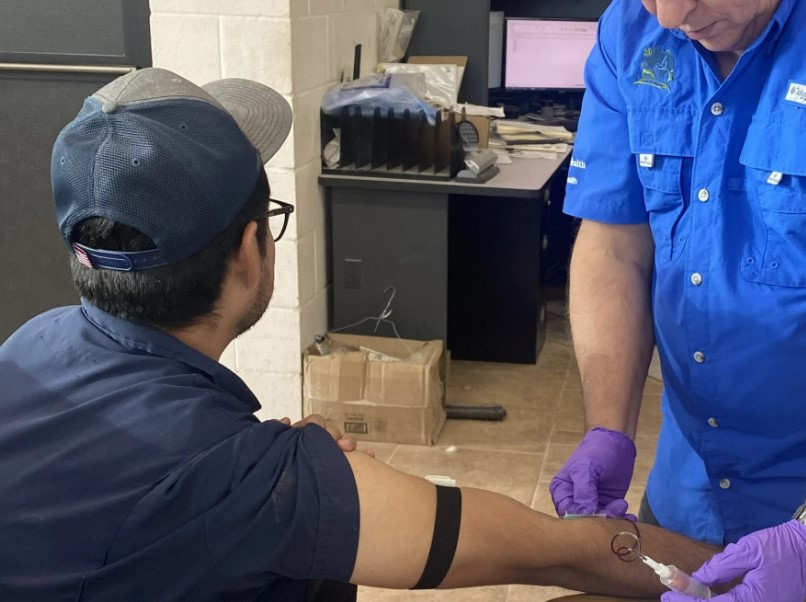
A study led by Dr. Gregory Gray, professor of Infectious Disease Epidemiology in the Departments of Internal Medicine, Microbiology and Immunology, and Global Health at UTMB, found that farmworkers could be at a higher risk of contracting the virus than previously thought, emphasizing the need for enhanced surveillance and preventive measures in these high-risk environments.
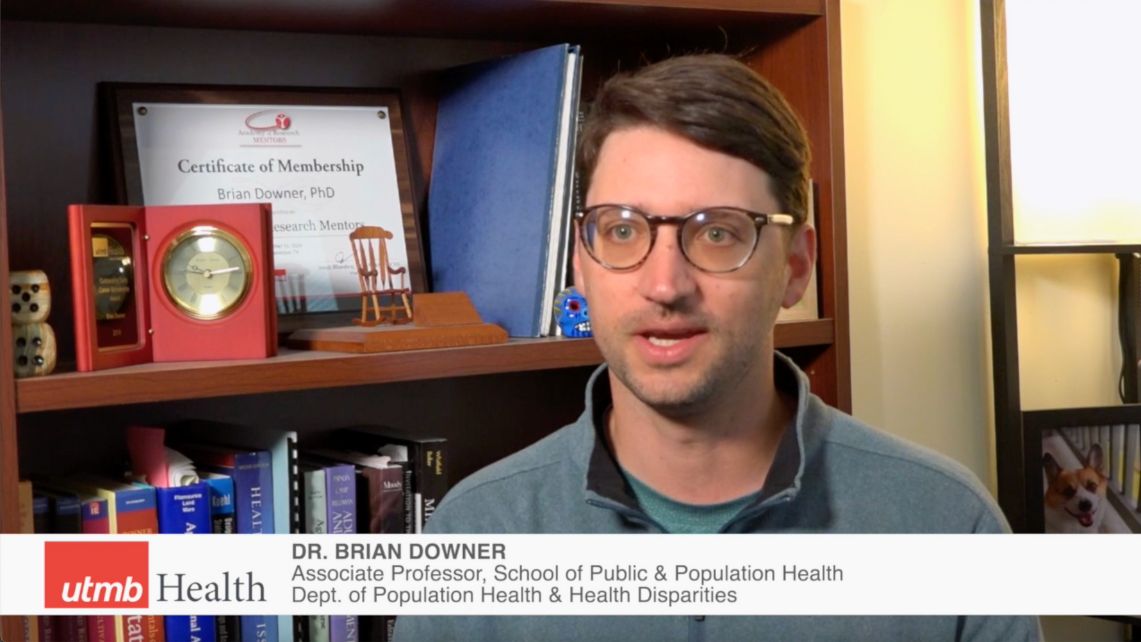
Dr. Brian Downer speaks about a study which demonstrates that Mexican American adults aged 65 and older who use both English and Spanish more equally exhibit better cognitive function compared to those who predominantly use one language.
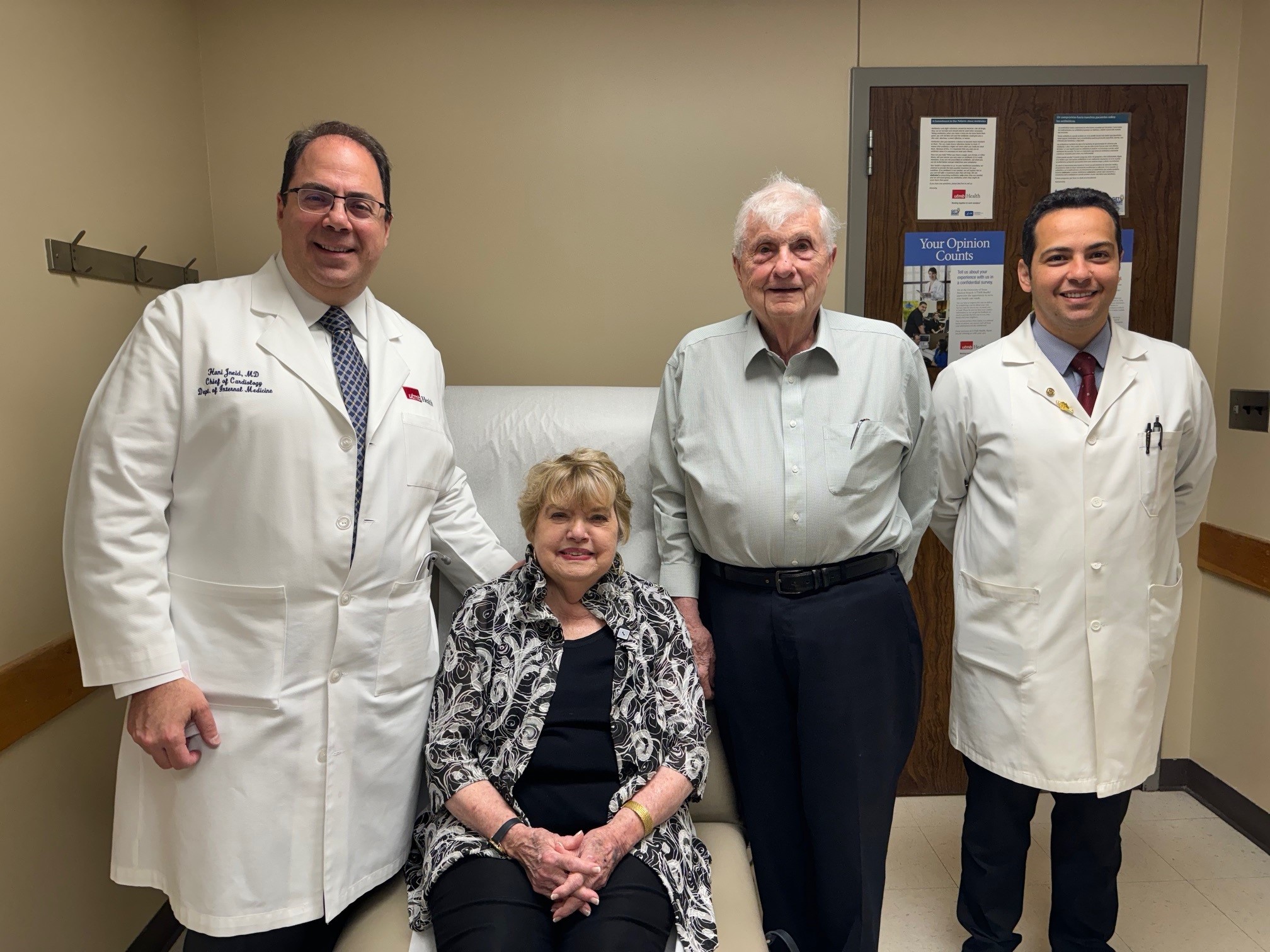
“We went to see Dr. Hani Jneid at UTMB and it was the best thing we could have possibly done,” said 88-year-old Wanda Stovall who went from an active life to not being able to get off the couch after she started having an abnormal heart rhythm. Jneid and the team at UTMB were able to get her back on her feet.
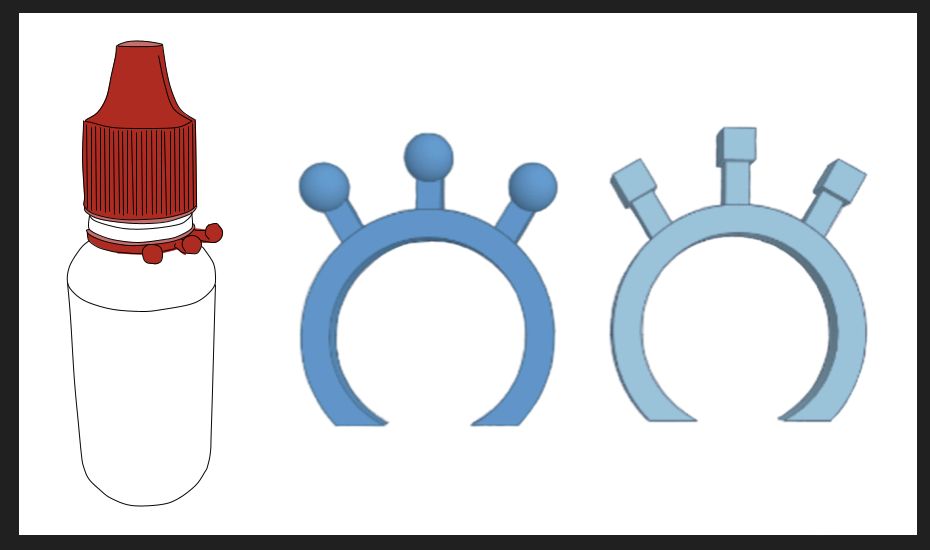
A team of The University of Texas Medical Branch (UTMB) investigators has developed, produced and tested a three-dimensional prototype tactile ring to help low-vision patients use eye drops. The rings feature one, two or three protrusions with cube-or-sphere-shaped endings that can be attached to the medication bottlenecks.

Members of The University of Texas Medical Branch (UTMB) Aerospace Medicine program were honored by the Aerospace Medicine Association at its 94th annual Scientific Meeting, which took place recently in Chicago.
.jpg?sfvrsn=408eec56_3 "Dr. Jeff Susman, senior associate dean and professor of family medicine at The University of Texas Medical Branch, was selected by the National Board of Medical Examiners for the 2024 Edithe J. Levit Distinguished Service Award.")
Dr. Jeff Susman, senior associate dean and professor of family medicine at The University of Texas Medical Branch, is one of seven recipients selected by the National Board of Medical Examiners for the 2024 Edithe J. Levit Distinguished Service Award.
.jpeg?sfvrsn=816b1756_1 "Designer (1)")
Researchers at the University of Texas Medical Branch recently discovered a significant advancement in the fight against neurodegenerative diseases such as Alzheimer’s disease and dementia. The study, published today in Science Translational Medicine, introduces an innovative nasal spray treatment that has shown promising results in clearing harmful tau protein build-up and improving cognitive functions in aged mice models with neurodegenerative diseases.
About The University of Texas Medical Branch
The first academic health center in Texas opened its doors in 1891 and today has four campuses, five health sciences schools, seven institutes for advanced study, a research enterprise that includes one of only two national laboratories dedicated to the safe study of infectious threats to human health, a Level 1 Trauma Center and a health system offering a full range of primary and specialized medical services throughout the Texas Gulf Coast region. UTMB is an institution in The University of Texas System and a member of the Texas Medical Center.