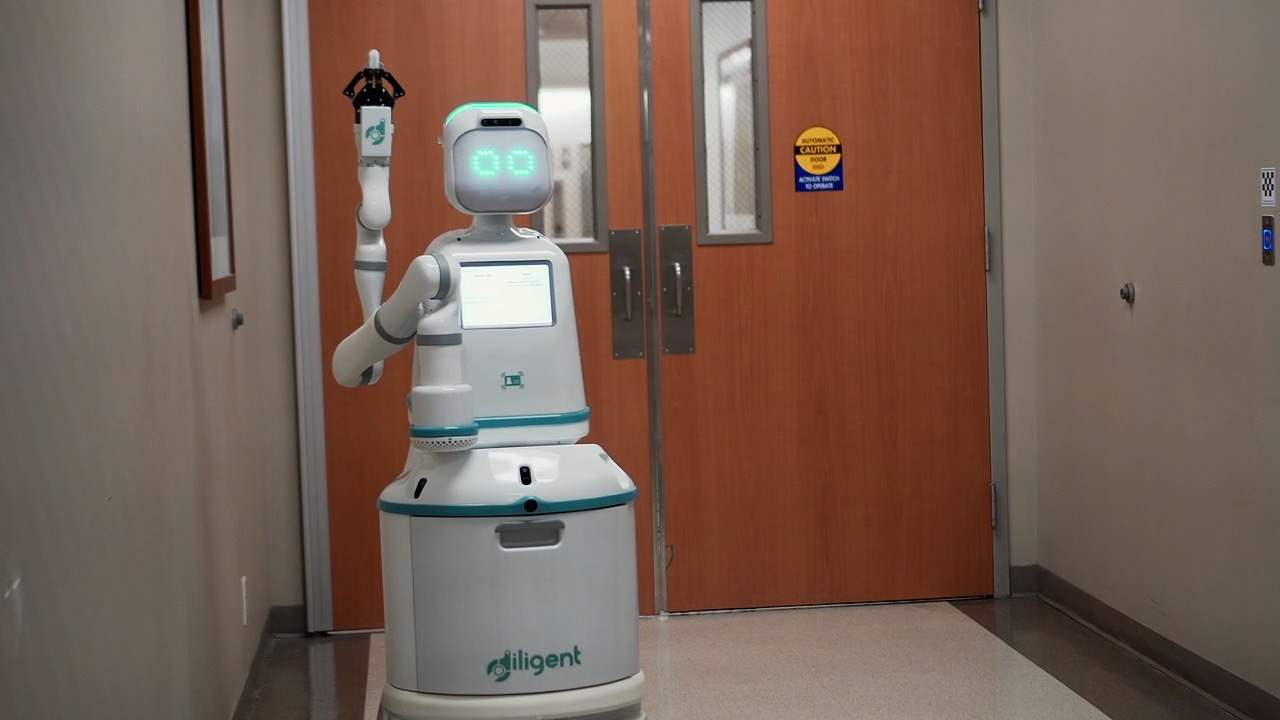
The University of Texas Medical Branch welcomed some new staff members at the Angleton Danbury campus this week: two nearly life-sized robots programmed to support the human staff and free up nurses from certain tasks to allow them more time to spend with patients.

With firearm injury now the leading cause of death in children and adolescents in the U.S., researchers at the University of Texas Medical Branch are working to fully define the spectrum of fatal and nonfatal firearm injuries to guide efforts to address this public health crisis.
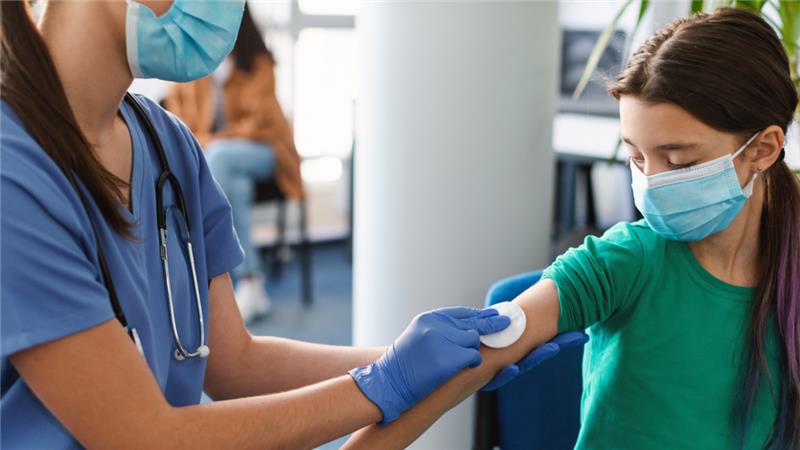
In February, the Cancer Prevention and Research Institute of Texas awarded Dr. Ana M. Rodriguez and her research team a $2.26 million grant to help fight human papillomavirus related cancers. Texas has one of the lowest HPV vaccination rates in the country, and in the Rio Grande Valley, young people are at a higher risk of developing HPV-related cancers.
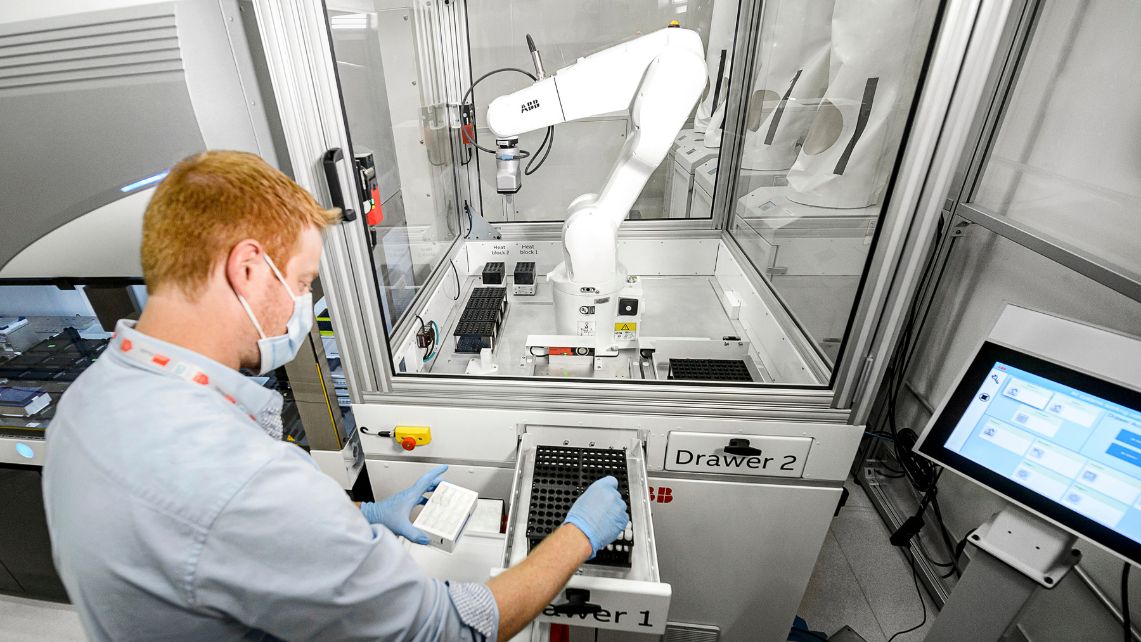
Imagine if one test could tell you if you were protected from the latest COVID-19 variant. A partnership between state-of-the-art robotics and cutting-edge medical research will allow doctors at The University of Texas Medical Branch (UTMB) to give their patients more personalized and useful information.

Volunteers are needed across all UTMB campuses in a number of clinical service areas.
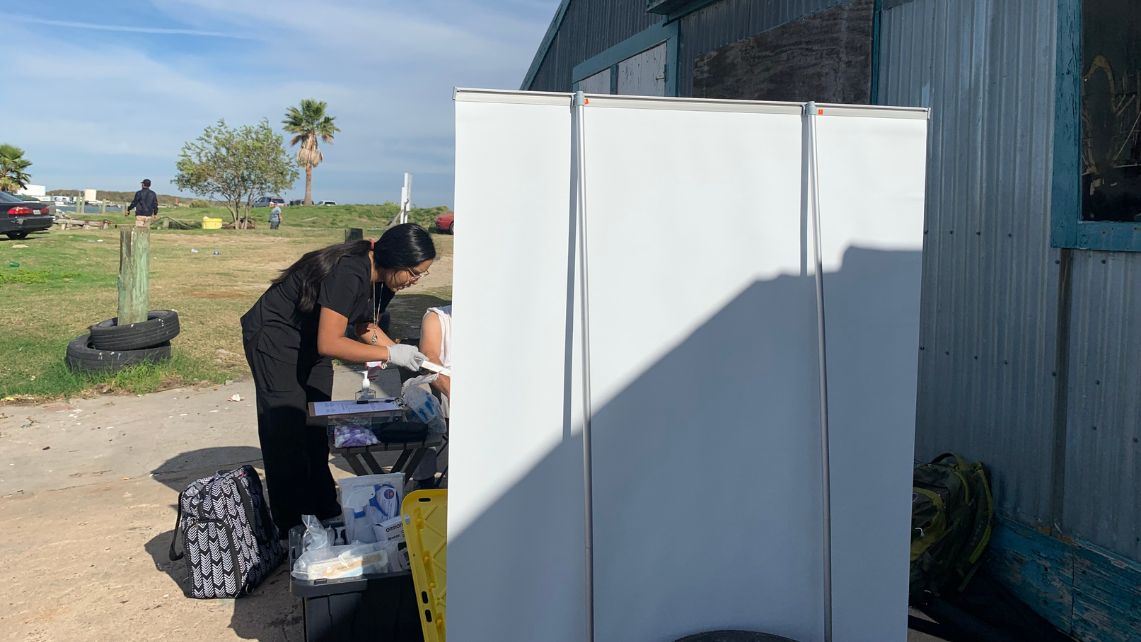
University of Texas Medical Branch researcher Dr. Shannon Guillot-Wright was awarded a $660,000 grant from the Centers for Disease Control and Prevention to fund a five-year research project to address health disparities for commercial fishermen.
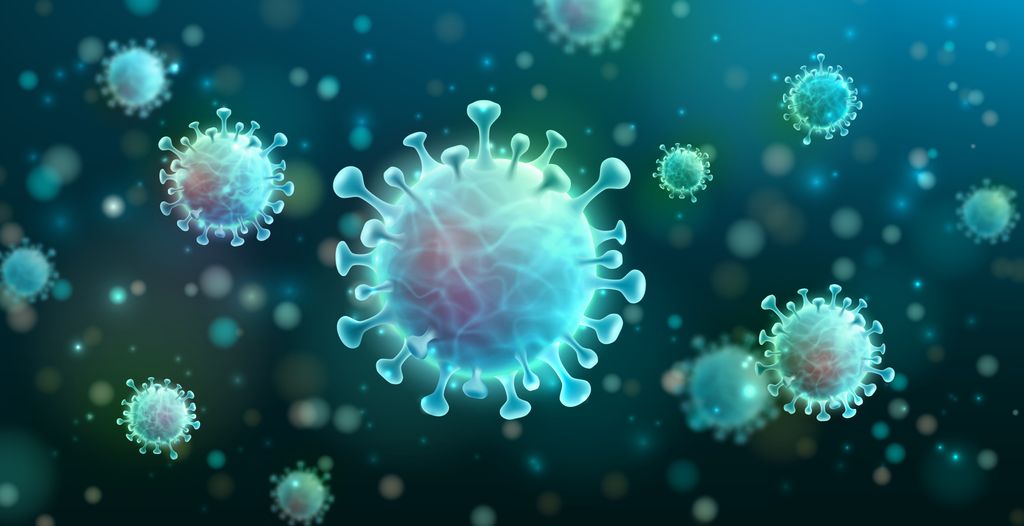
UTMB has been awarded an agreement up to nearly $25 million from the U.S. Department of Defense’s (DoD) Joint Program Executive Office for Chemical, Biological, Radiological and Nuclear Defense (JPEO-CBRND) and the U.S. Department of Health and Human Services’ (HHS) Biomedical Advanced Research and Development Authority (BARDA) (within the Administration for Strategic Preparedness and Response (ASPR)), for their efforts in the collaborative development of vaccines to protect against infection by Ebola (EBOV), Sudan (SUDV), Marburg (MARV), and Lassa (LASV) viruses. This project award was executed via Other Transaction Authority (OTA) to UTMB through the Medical CBRN Defense Consortium (MCDC).
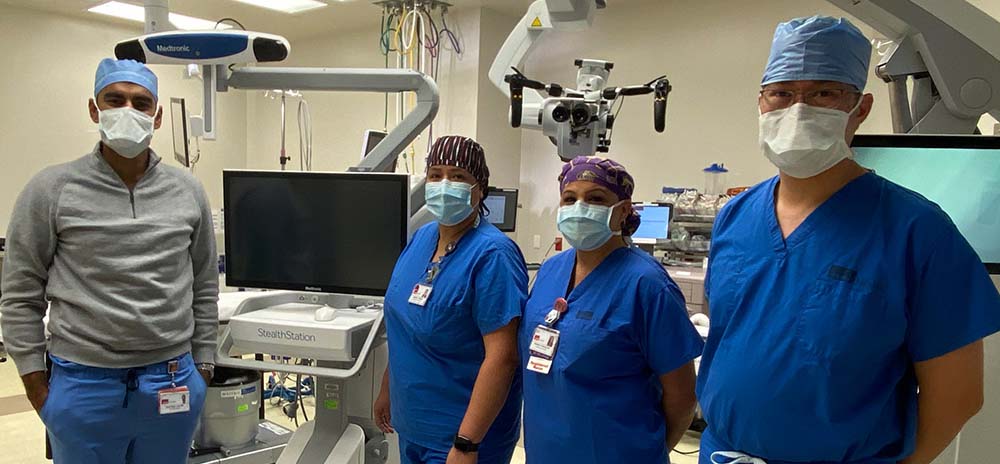
Surgeons at UTMB Health’s Clear Lake Campus recently performed the hospital’s first craniotomy for brain tumor removal and the first intracranial aneurysm clipping, which represent an expansion of services offered at the campus as the hospital continues to find new and innovative ways to provide world-class treatments to the growing communities it serves.
About The University of Texas Medical Branch
The first academic health center in Texas opened its doors in 1891 and today has four campuses, five health sciences schools, seven institutes for advanced study, a research enterprise that includes one of only two national laboratories dedicated to the safe study of infectious threats to human health, a Level 1 Trauma Center and a health system offering a full range of primary and specialized medical services throughout the Texas Gulf Coast region. UTMB is an institution in The University of Texas System and a member of the Texas Medical Center.