
The University of Texas Medical Branch (UTMB) has migrated its electronic health record (EHR) system Epic from an on-premises environment to Microsoft’s cloud-based Azure platform. The move will enhance security, improve disaster recovery, increase system scalability, and accelerate innovation.
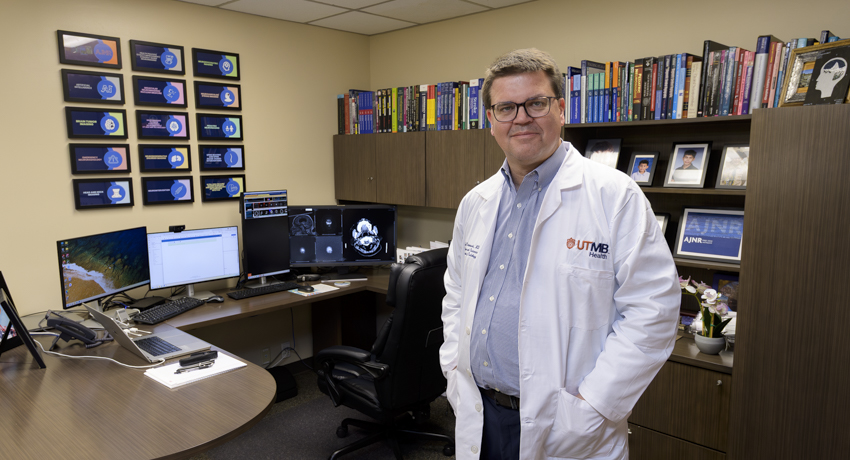
Max Wintermark, MD, a globally recognized physician-scientist and neuroimaging leader, has joined UTMB as chair of radiology. He aims to advance imaging innovation and strengthen radiology’s role in modern patient care.
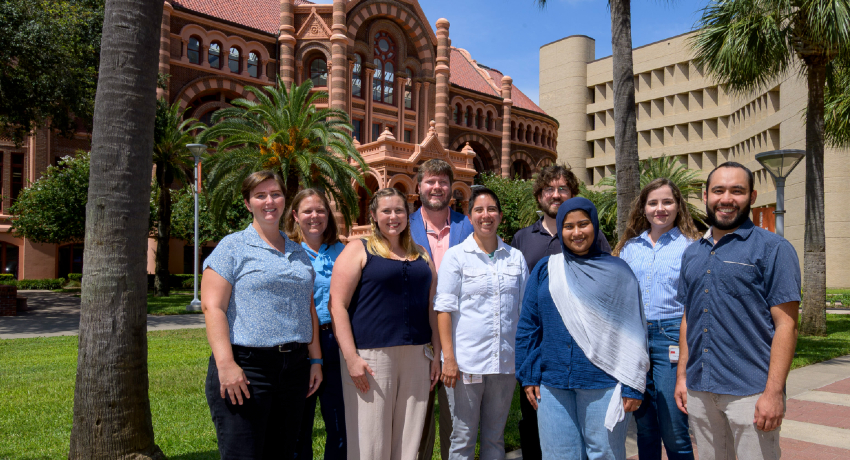
New studies identify a vaccine design strategy that strengthens immune memory and could improve protection against HIV, influenza, and other difficult-to-prevent diseases.

Cyclospora is a foodborne parasite that can cause weeks of severe diarrhea, fatigue, and stomach cramps after consuming contaminated produce or water. UTMB Health experts urge early testing, treatment, hydration, and safe food handling to prevent complications.
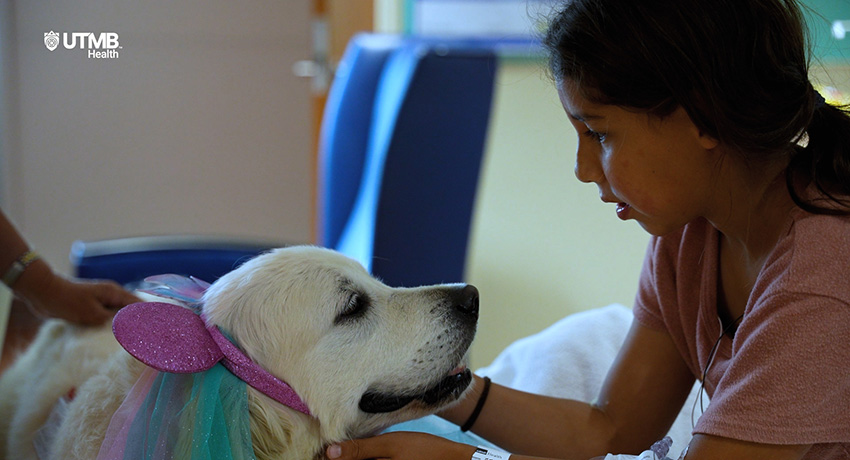
For children in the hospital, healing can come in many forms. Sometimes, it looks like medicine, physical therapy or another step in a care plan. Other times, it arrives on four paws.
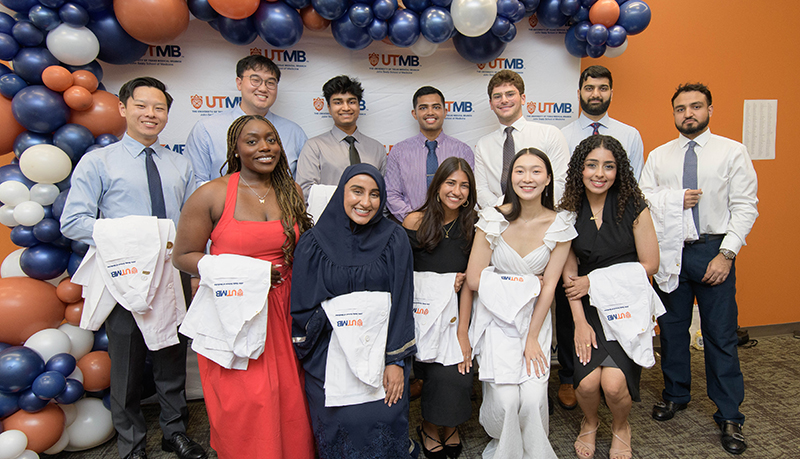
The John Sealy School of Medicine Class of 2030 received their first white coats during the UTMB annual White Coat Ceremony, marking the start of their medical education and a public commitment to compassionate, ethical, patient-centered care.
“I want to make sure that people don’t panic, especially living in Northern Virginia,” said Scott Weaver, PhD, a professor of microbiology and immunology at The University of Texas Medical Branch (UTMB). “I don’t think there’s going to be a huge dengue outbreak there. That’s very unlikely, but people should always be aware that these mosquito-borne diseases can be present and nobody knows it.”
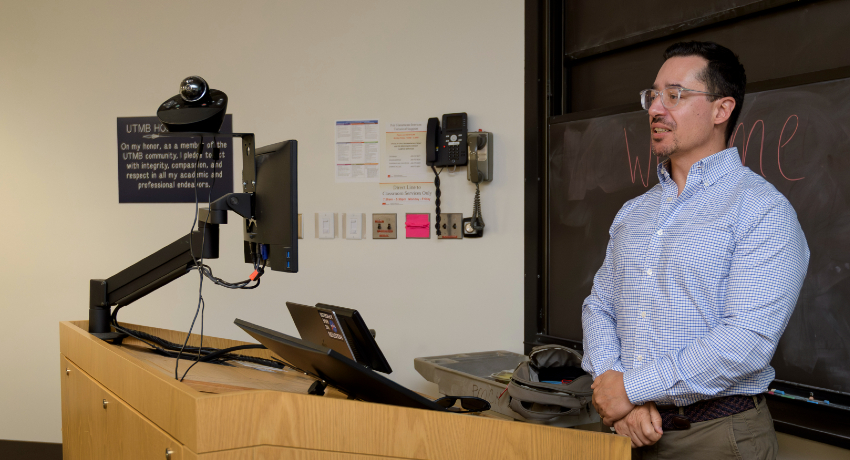
Scientists at UTMB are exploring whether slowing the biology of aging could help prevent chronic disease and extend healthspan. Their research also examines the ethical questions surrounding longevity, access to future therapies, and healthy aging for all.
University of Texas Medical Branch President and CEO Dr. Jochen Reiser has ambitious plans for the university’s heart health program, hoping to turn it into an international model for cardiovascular care by bringing patient care, research, education, and artificial intelligence under one roof.
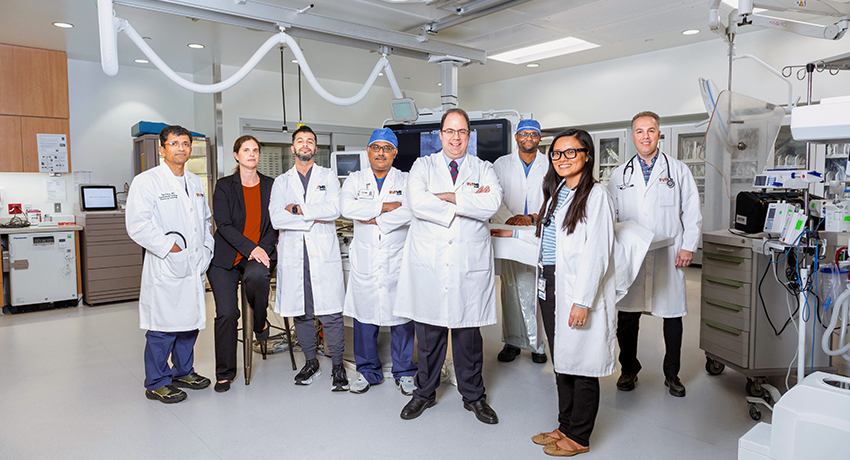
The Sealy & Smith Foundation’s record-setting philanthropic investment, including a new $130 million commitment, will fund expansion for the Sealy Heart and Vascular Institute at UTMB.

The Center for Correctional Healthcare Excellence at UTMB is advancing research, innovation, education, and clinical care for one of the nation’s most medically vulnerable populations.

Community-based Geri-Fit classes were linked to healthier cholesterol levels, better mobility, and greater independence among older adults.
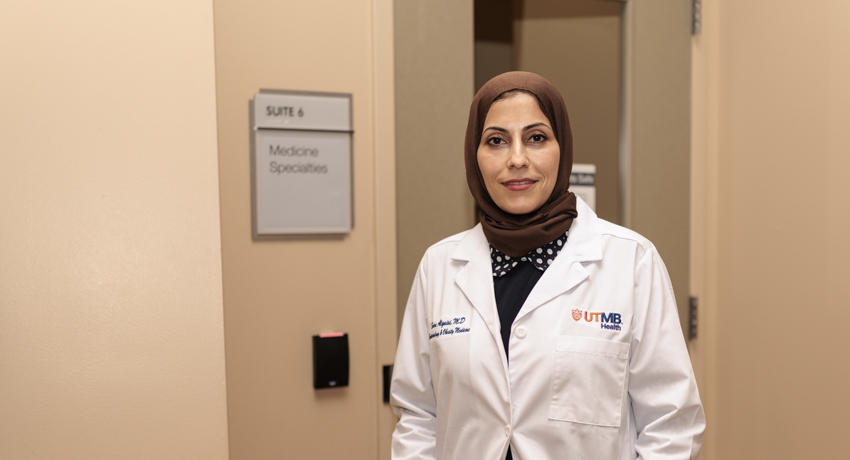
Midlife weight gain isn't simply about how much you eat. UTMB Health endocrinologist Dr. Sura Alqaisi explains how hormonal changes, metabolism, sleep, and body composition affect weight during menopause and what women can do to stay healthy.
.jpg?sfvrsn=1e96a53_1 "Dr. Samreen and Dr. Stark sitting down for a podcast.")
Dr. Sarah Samreen and Dr. Andrea Stark discuss the Medicare GLP-1 Bridge program, a new federal program that may expand access to certain GLP-1 medications for eligible Medicare Part D patients being treated for obesity.
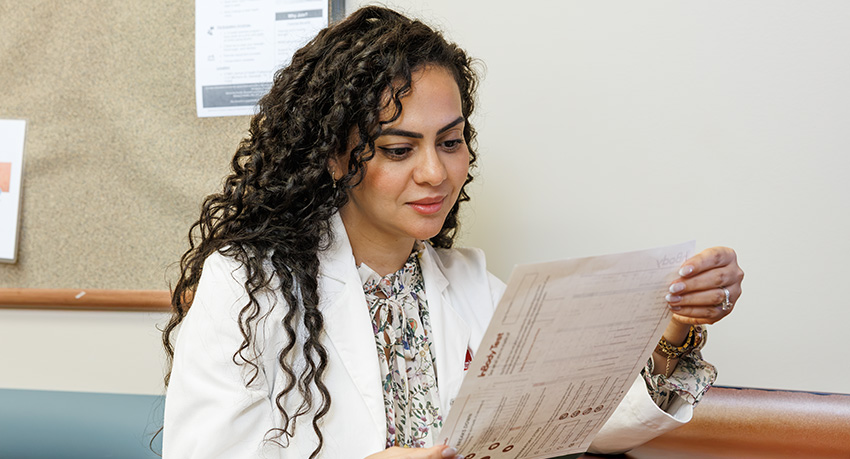
Obesity is about more than excess weight. A UTMB Health obesity medicine specialist explains how chronic inflammation can damage organs quietly, raise the risk of serious diseases, and why even modest weight loss can improve long-term health.
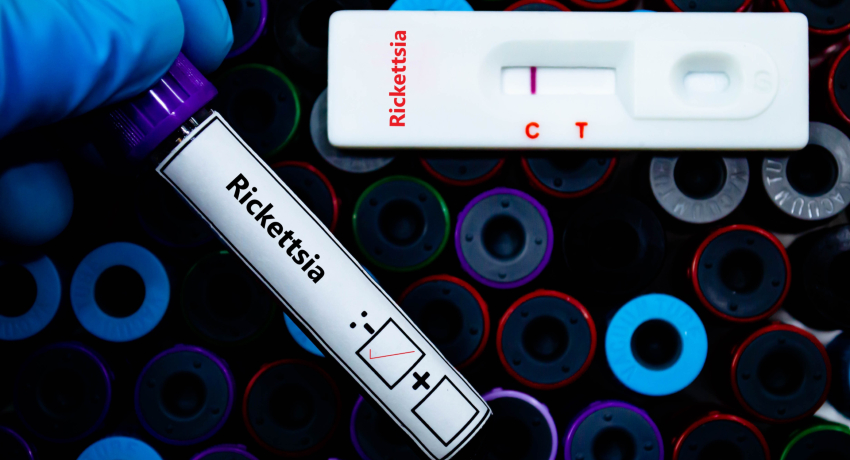
Researchers urge early recognition and treatment as murine typhus continues to reemerge along the Texas Gulf Coast.
"You don’t have to overhaul your entire routine at once — pick one habit, stick with it, and build from there. Your brain will thank you for it, tonight and years from now." — Jack Tiller, MD-PhD student at UTMB
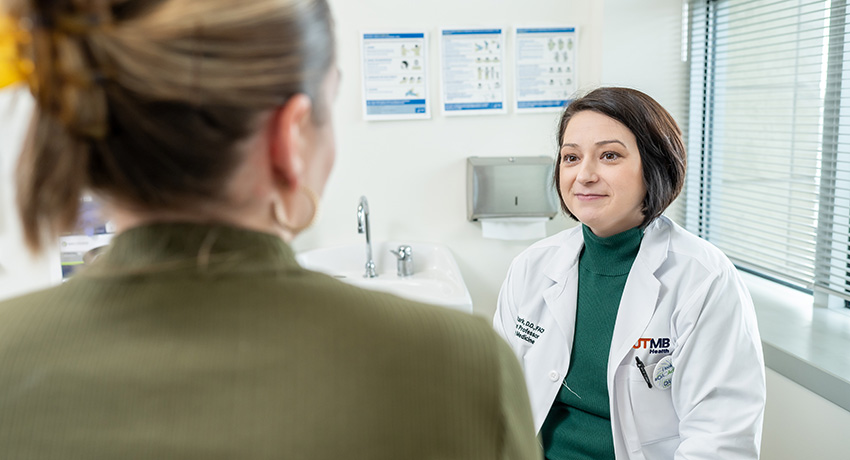
Medicare beneficiaries may now be eligible for GLP-1 weight management medications at a capped cost of just $50 per month. Learn who qualifies for the Medicare GLP-1 Bridge program and how UTMB can help you navigate the process.
“Our findings show these vaccines generate a remarkably broad immune response. Even without interferon-gamma, which has long been considered one of the immune system’s most important antibacterial defenses, vaccinated animals remained protected from lethal pneumonic plague." — Ashok Chopra, CSc, PhD
"Digital content, even when presented as satirical or humorous, assumes that the user can critically identify satire and humor in the first place." — Jarrel De Matas, PhD, assistant professor in the Department of Bioethics & Health Humanities at The University of Texas Medical Branch.