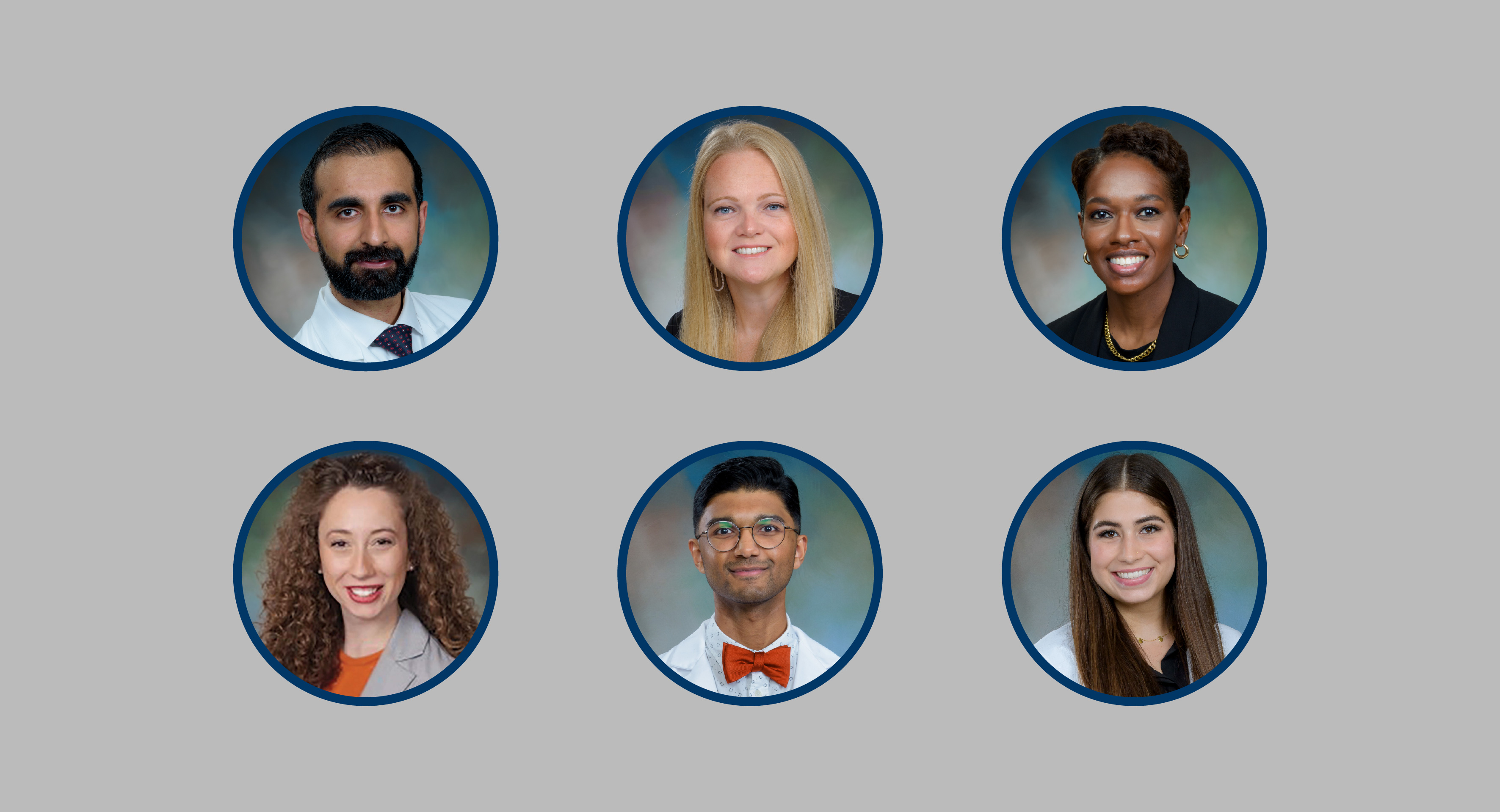
Honorees are chosen based on professional accomplishments, professional growth, and community service.
A UTMB-led study found that people with Type 2 diabetes may remain at increased risk for heart attack, stroke, and death despite treatment. Elevated suPAR levels identified patients with persistent inflammation and higher cardiovascular risk.

The University of Texas Medical Branch (UTMB) has migrated its electronic health record (EHR) system Epic from an on-premises environment to Microsoft’s cloud-based Azure platform. The move will enhance security, improve disaster recovery, increase system scalability, and accelerate innovation.
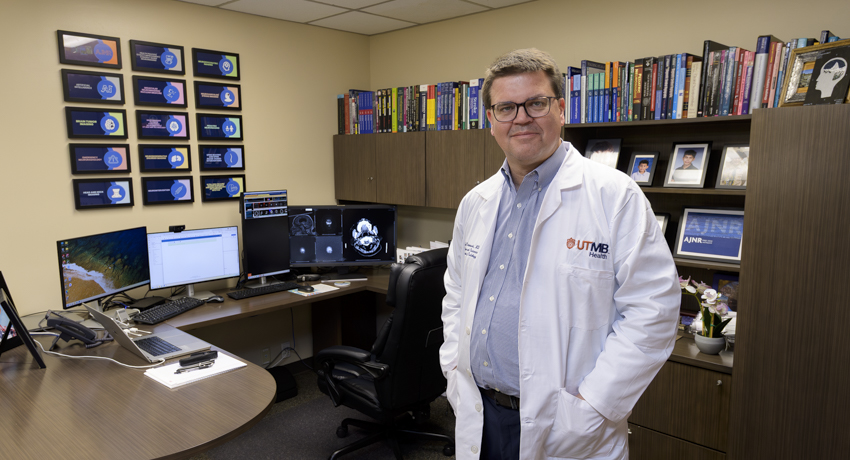
Max Wintermark, MD, a globally recognized physician-scientist and neuroimaging leader, has joined UTMB as chair of radiology. He aims to advance imaging innovation and strengthen radiology’s role in modern patient care.
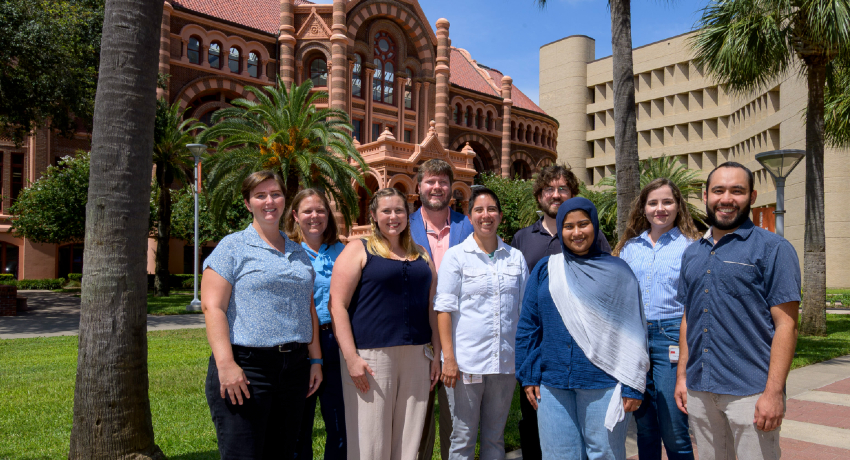
New studies identify a vaccine design strategy that strengthens immune memory and could improve protection against HIV, influenza, and other difficult-to-prevent diseases.

Cyclospora is a foodborne parasite that can cause weeks of severe diarrhea, fatigue, and stomach cramps after consuming contaminated produce or water. UTMB Health experts urge early testing, treatment, hydration, and safe food handling to prevent complications.
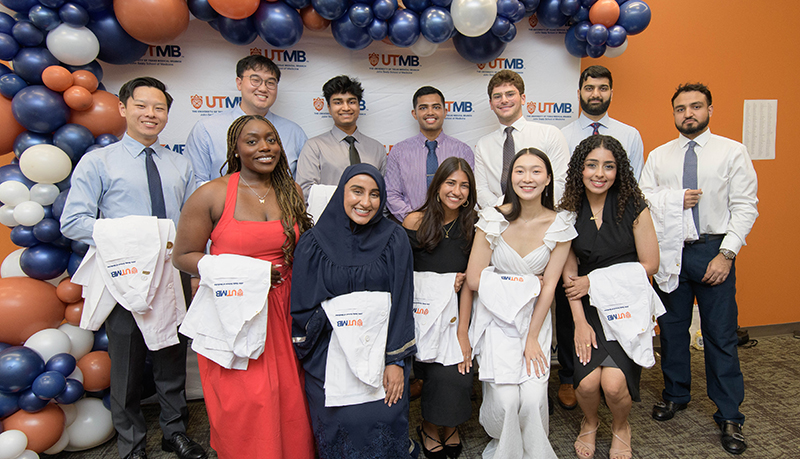
The John Sealy School of Medicine Class of 2030 received their first white coats during the UTMB annual White Coat Ceremony, marking the start of their medical education and a public commitment to compassionate, ethical, patient-centered care.
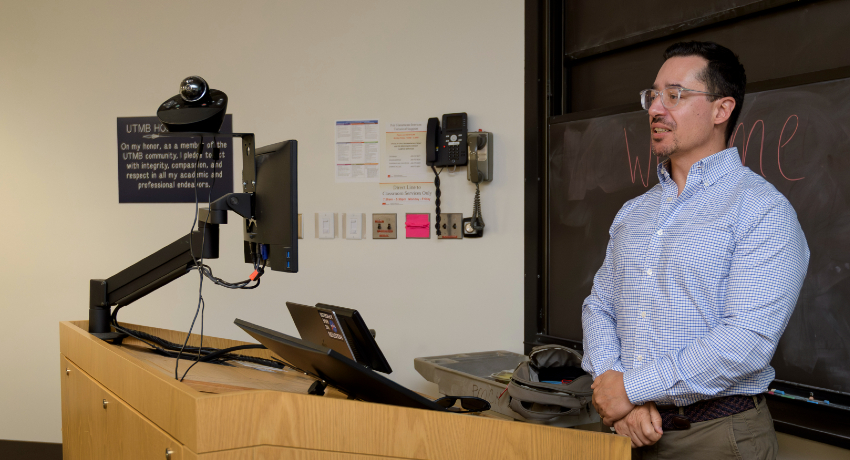
Scientists at UTMB are exploring whether slowing the biology of aging could help prevent chronic disease and extend healthspan. Their research also examines the ethical questions surrounding longevity, access to future therapies, and healthy aging for all.
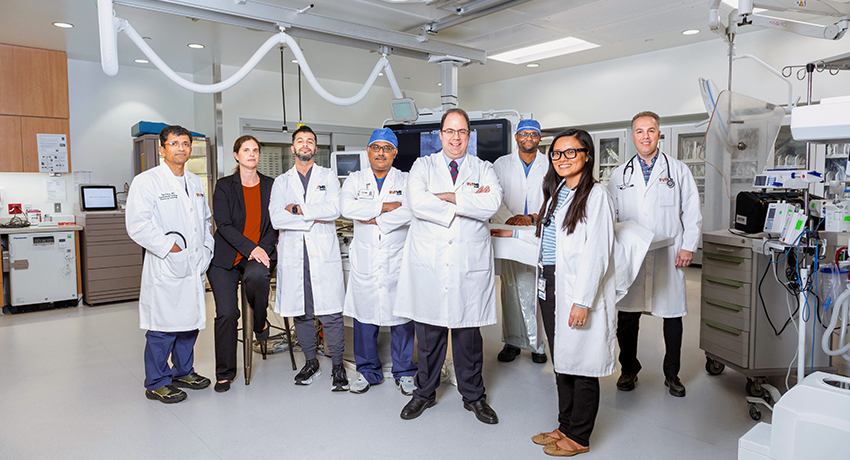
The Sealy & Smith Foundation’s record-setting philanthropic investment, including a new $130 million commitment, will fund expansion for the Sealy Heart and Vascular Institute at UTMB.
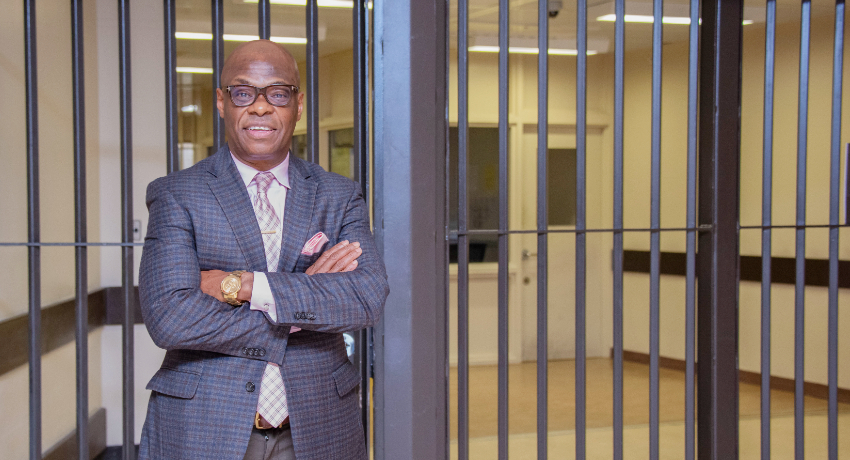
The Center for Correctional Healthcare Excellence at UTMB is advancing research, innovation, education, and clinical care for one of the nation’s most medically vulnerable populations.
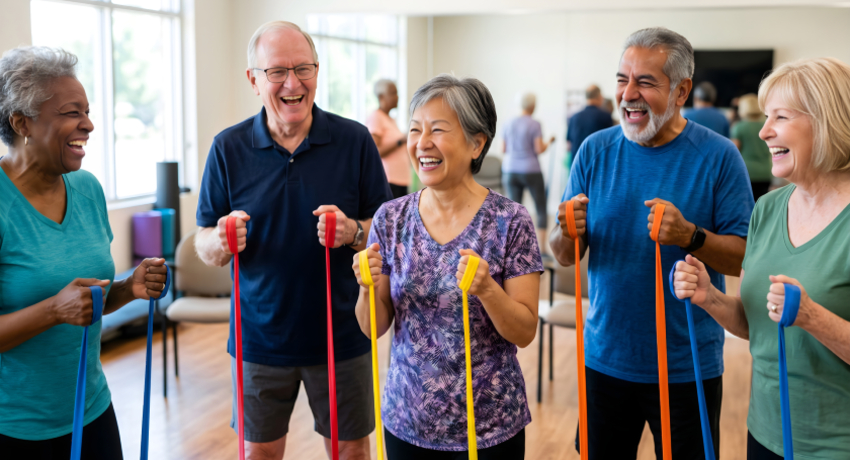
Community-based Geri-Fit classes were linked to healthier cholesterol levels, better mobility, and greater independence among older adults.
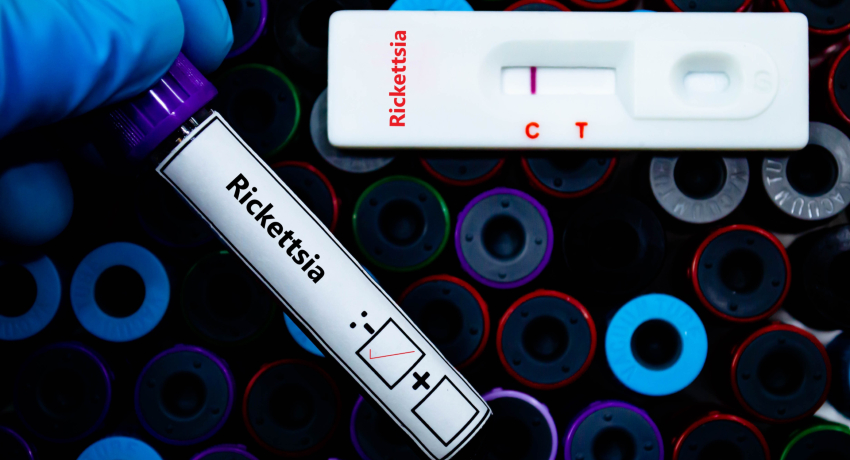
Researchers urge early recognition and treatment as murine typhus continues to reemerge along the Texas Gulf Coast.
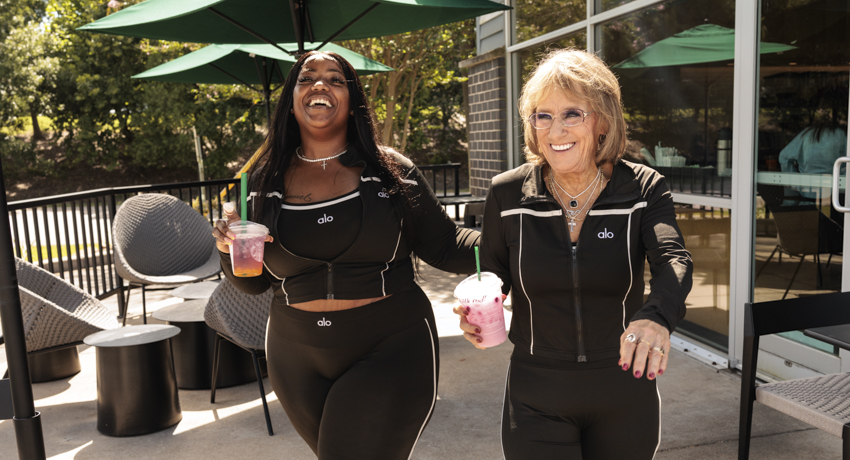
After years of losing and regaining weight, Lynda Patrick turned to UTMB Health for help. Working with the weight management team, she underwent gastric bypass surgery in 2024 and has since lost more than 130 pounds, dramatically improving her health.
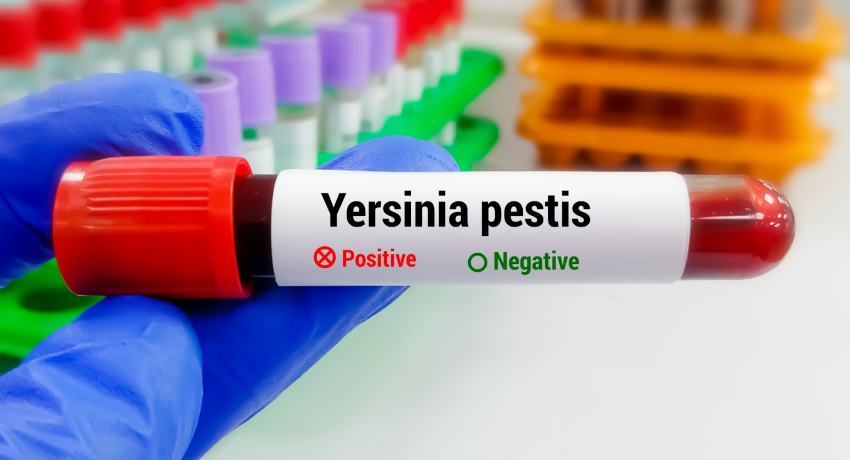
The findings suggest the vaccines trigger multiple layers of immune protection and could help advance the development of more effective plague vaccines.
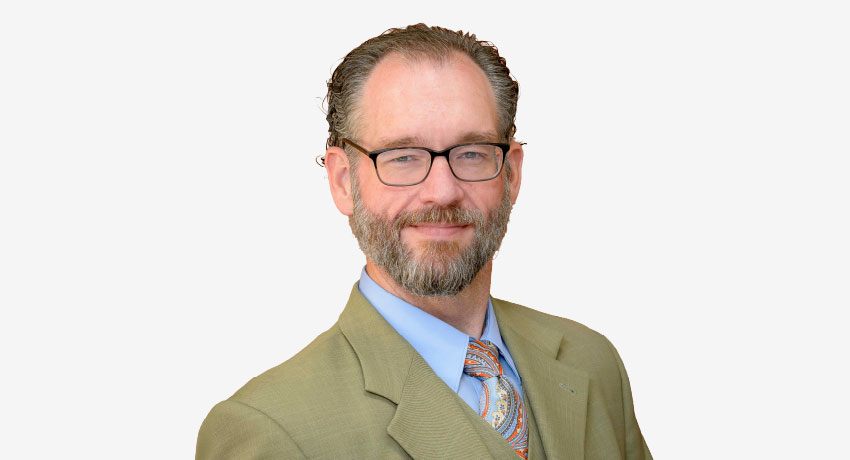
After serving on the UT System Employee Advisory Council’s Resources and Support Committee and as vice chair of the executive board, Will McWhorter now leads the systemwide employee advisory group.
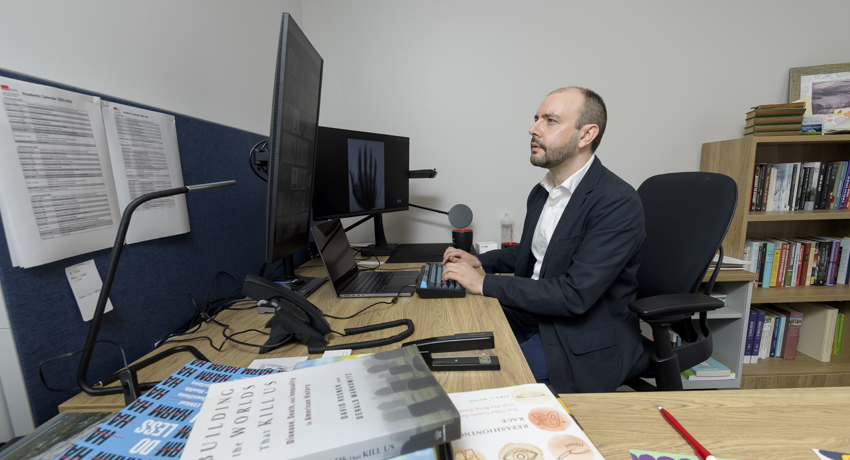
Artificial intelligence is transforming medical diagnosis, but bioethicists at UTMB say technology should support, not replace, physicians. Beyond speed and accuracy, they say diagnosis is about trust, patient care, ethics, and protecting privacy.
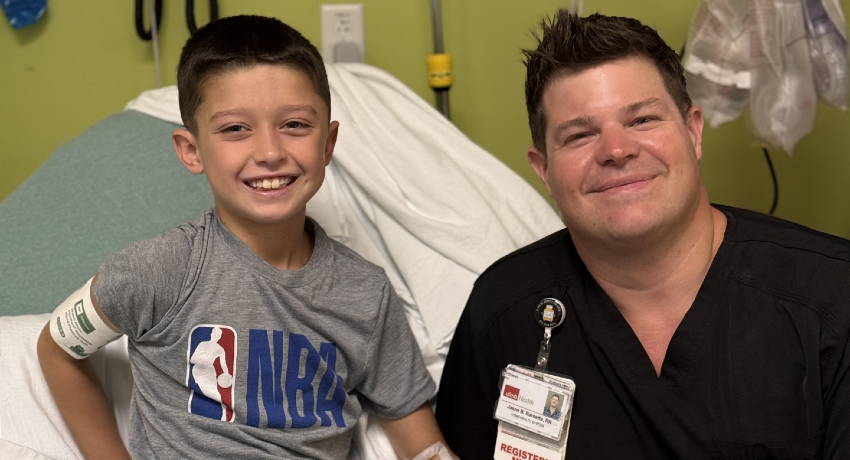
When an ordinary basketball play left 9-year-old Jonah with a hidden brain bleed, UTMB Health pediatric experts guided him from a frightening diagnosis to a full return to the sport he loves.
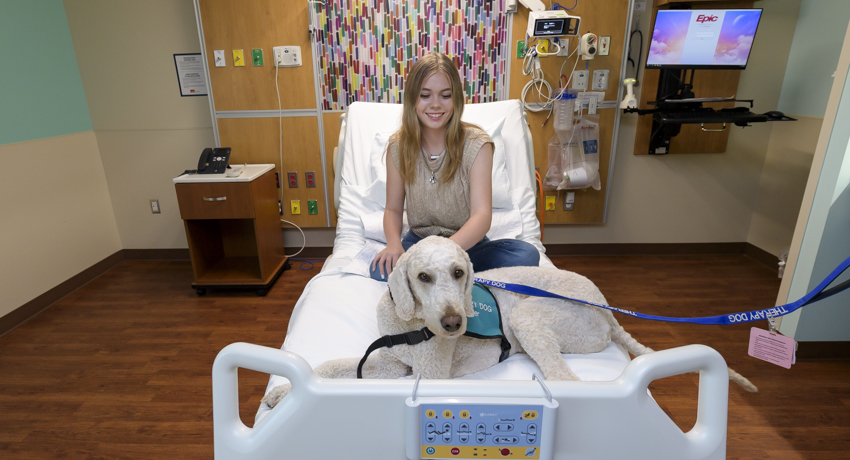
Following two major spinal fusion revision surgeries, 16-year-old Lilly Tucker spent six weeks at UTMB Health recovering from temporary partial paralysis. During her rehabilitation, visits from dogs in the pet therapy program provided comfort, eased anxiety, and motivated her to walk farther and faster during physical therapy.
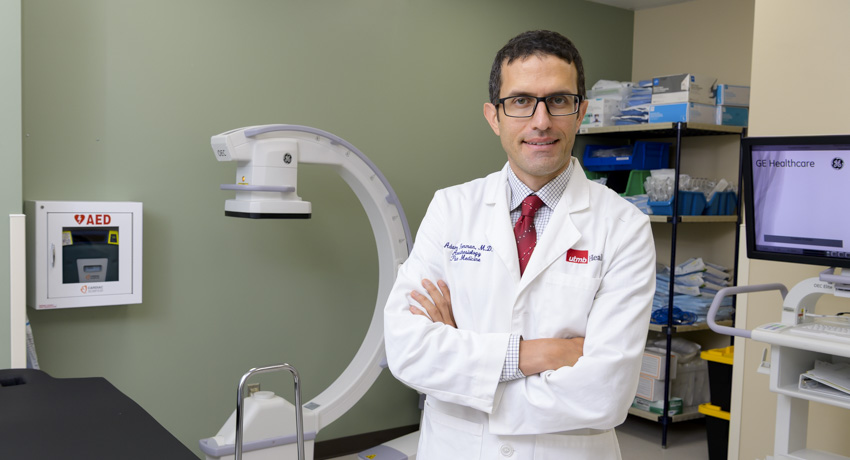
Patients seeking pain treatment are increasingly asking about alternatives to opioids. Physicians at UTMB Health emphasize personalized care that targets the source of pain through procedures, physical therapy, lifestyle changes, and psychological support.
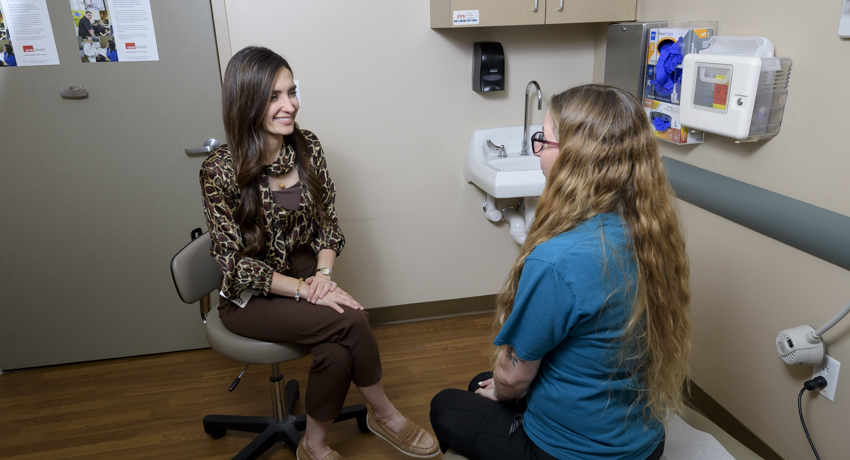
Weight loss and weight maintenance are two different biological processes, according to UTMB endocrinologist Israa Ali, MD. While losing weight requires creating a calorie deficit, maintaining that loss requires overcoming the body’s natural responses, including a slower metabolism and increased hunger signals designed to restore lost weight.