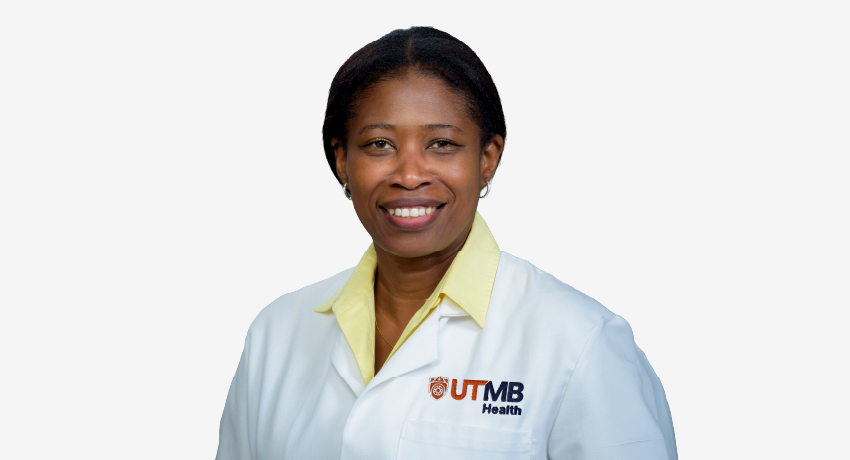
An accomplished advanced cardiac imaging cardiologist, Odigie-Okon is the medical director of Cardiac MRI and co-director of Cardiac CT at UTMB.

The Patient Experience team at UTMB Health is honoring two teams with the Compassion in Practice Award, which celebrates one inpatient team and one ambulatory team whose efforts help shape positive experiences for patients and families across the health system.

Cora Rabe, DNP, nurse anesthesia program director and associate professor at The University of Texas Medical Branch (UTMB) School of Nursing (SON), has been selected as a 2026 Fellow of the American Association of Nurse Anesthesiology (AANA) — one of the highest professional honors in nurse anesthesiology. Through leadership in nurse anesthesia education at UTMB, Rabe has played a key role in preparing the next generation of certified registered nurse anesthetists (CRNAs).
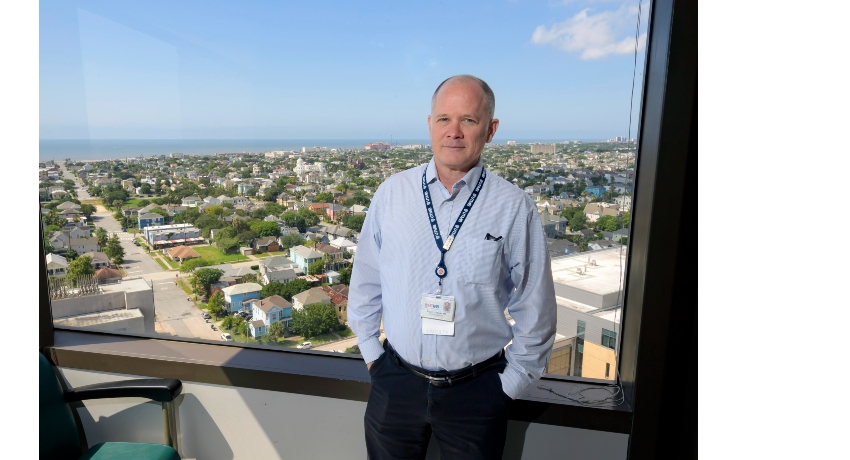
Dr. Miguel Cabada recommends cruise travelers plan ahead with vaccines, insurance, medications, handwashing, and an awareness of health risks at each destination.
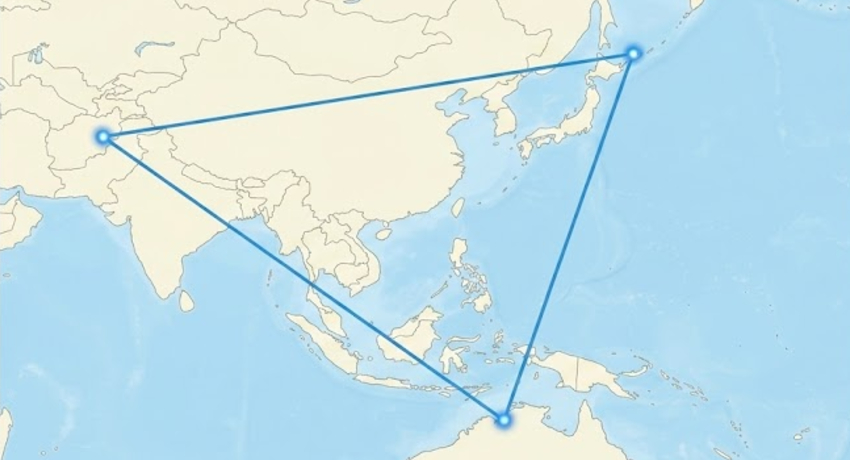
A common tropical disease may hold a surprising secret: why recovery doesn’t always mean protection. New research from The University of Texas Medical Branch (UTMB) uncovers how different strains of scrub typhus can disrupt the immune system, shedding light on why reinfection may be more likely than once believed.
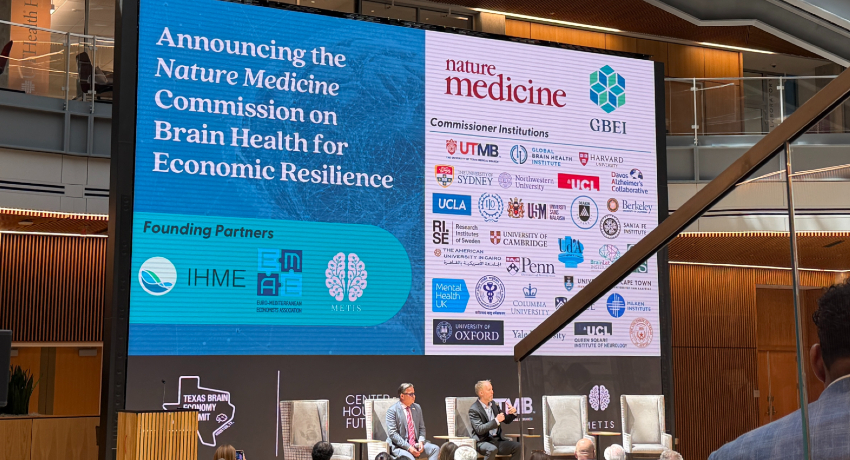
Global leaders in neuroscience, public policy, economics, and healthcare announced the launch of the Nature Medicine Commission on Brain Health for Economic Resilience on Wednesday during the second and closing day of the Texas Brain Economy Summit at TMC3 in the Texas Medical Center in Houston.
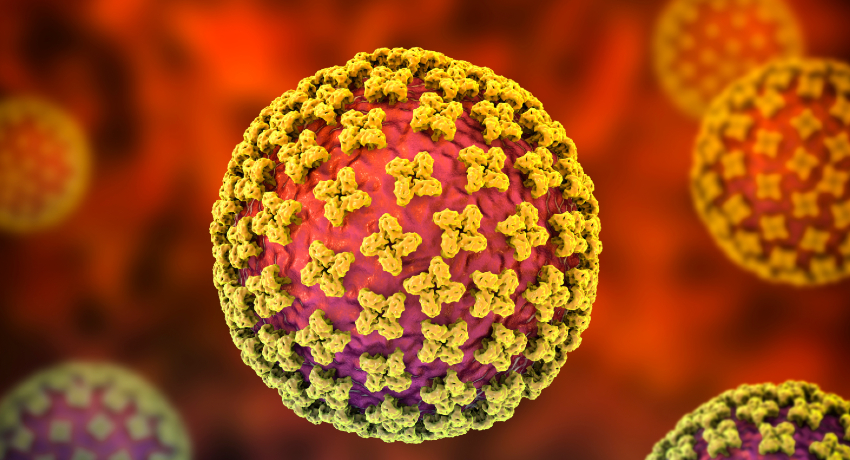
As the Andes hantavirus draws international attention, a breakthrough from The University of Texas Medical Branch offers new hope. Single-dose mRNA vaccines are showing remarkable protection in preclinical studies.
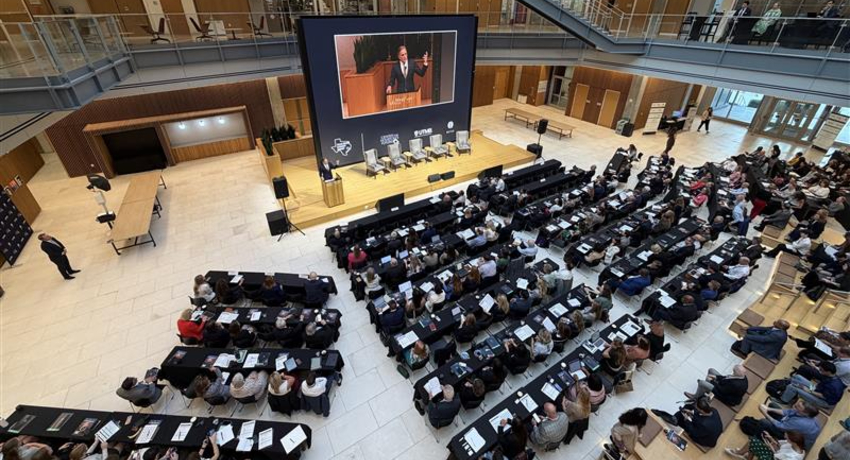
More than 500 leaders converged at the Texas Medical Center to explore a powerful idea: that investing in brain health can transform not only lives, but economies. From workforce resilience to healthy aging, the Texas Brain Economy Summit is sparking conversations that could redefine Texas’ future.
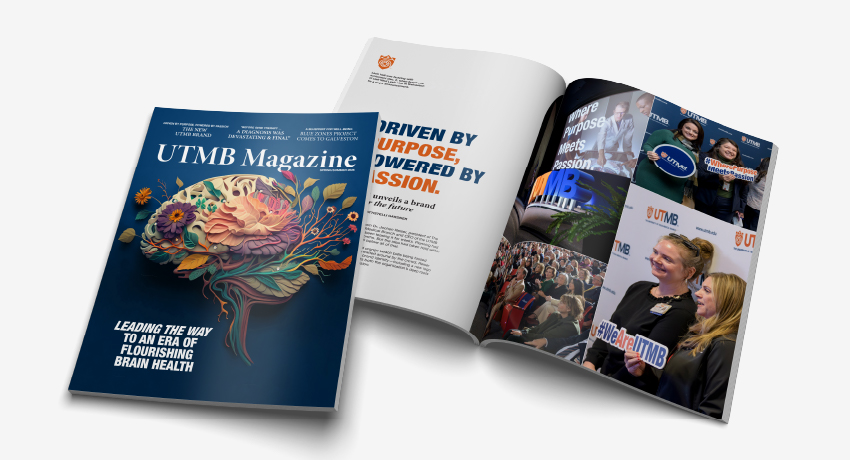
The inaugural issue of UTMB Magazine, a new flagship publication that launched on June 9, looks beyond the headlines, offering readers an in-depth view of the work and lives that define UTMB.
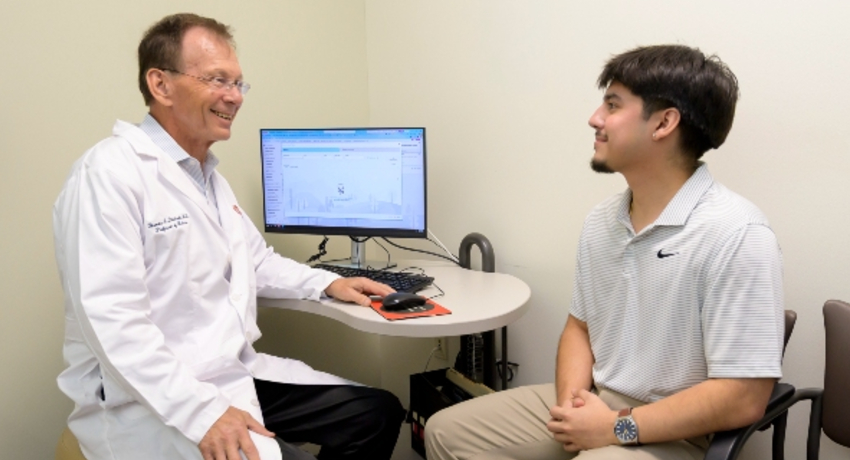
Men’s Health Month highlights the importance of prevention, yet many men still delay routine care, allowing silent conditions like high blood pressure, high cholesterol, and obesity-related diseases to go undetected until serious complications arise.
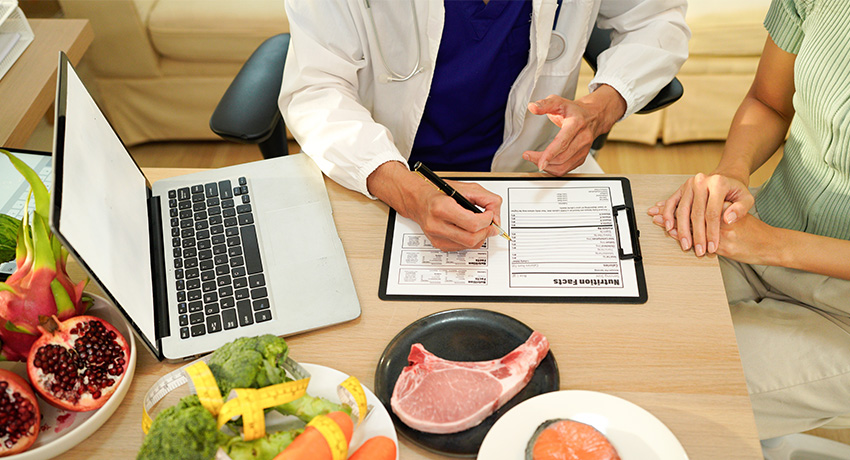
UTMB will add 40 credit hours of nutrition education to its medical curriculum at the John Sealy School of Medicine beginning in fall 2026, aligning with federal recommendations to better prepare physicians for prevention and chronic disease care.
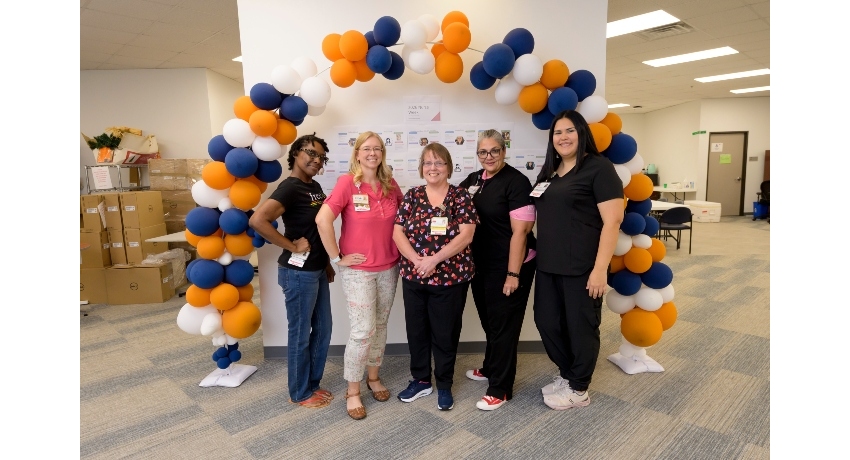
At The University of Texas Medical Branch, a 24/7 Access Center and specialized maritime team coordinates global care for cruise ships and Antarctic stations, supporting providers with expert consults.

The high-impact summit will convene more than 600 senior executives, innovators, researchers, investors, entrepreneurs, and policymakers to explore one of the most significant opportunities of our time: building a thriving global brain economy.
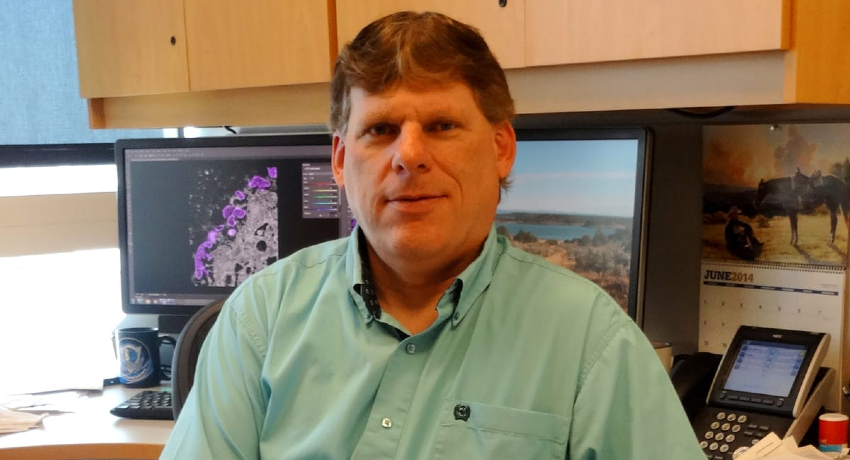
Early studies show a Bundibugyo Ebola vaccine candidate protected nonhuman primates, supporting preparedness as the Democratic Republic of the Congo and neighboring countries work to contain cases.

The link between early neuronal damage and the brain’s immune response is poorly understood, but the significance of concussive injury has become a topic of public interest over the last few years, especially in the context of sports injuries. In this study, UTMB researchers were interested in the type of concussion that occurs when impact does not penetrate the brain but causes it to move inside the skull, resulting in injury.
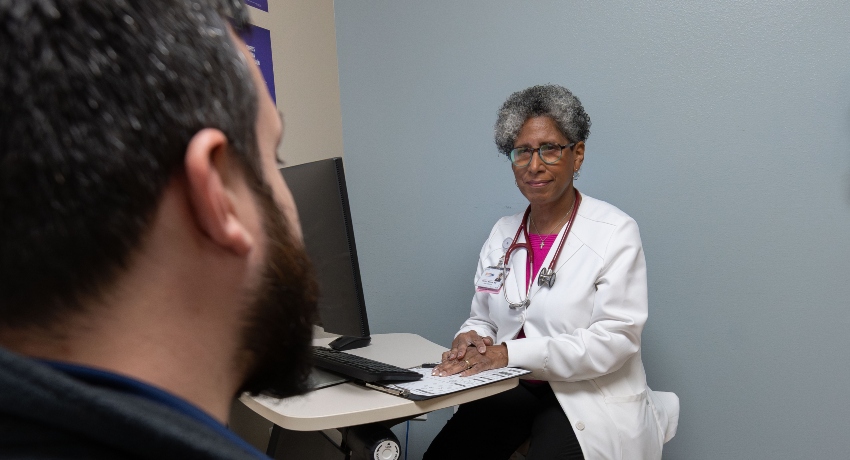
Primary care physicians say regular checkups and age-appropriate screenings are essential at every stage of life, helping patients identify risks early and make informed decisions about their health. Alicia Monroe, MD, with the Department of Family Medicine and Community Health at UTMB Health, said preventive care should evolve over time.
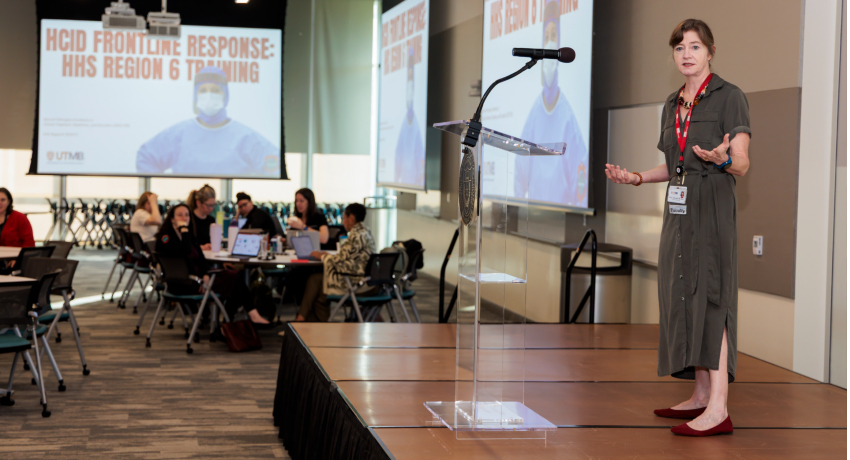
From advanced biocontainment care to regional training, UTMB is strengthening readiness to protect patients, healthcare workers, and communities from emerging infectious threats.
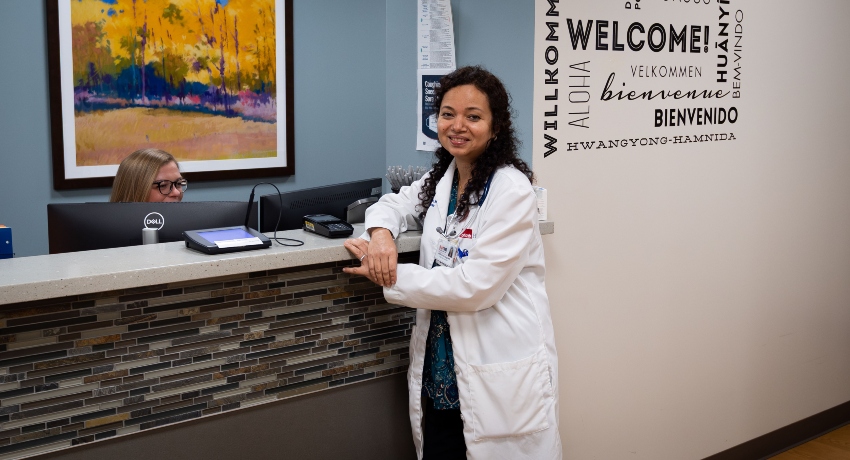
Choosing the right level of care — primary care, urgent care or the emergency room — can save time, improve outcomes, and reduce costs. Madhumita Banga, MD, stresses that having a primary care provider and staying current with preventive care can help catch issues early and guide patients to the appropriate care when problems arise.

Sarah Dang, a first-year medical student at UTMB, balances rigorous studies in anatomy with a passion for contortion, a discipline she discovered through childhood curiosity and later developed through international training, including time in France and Mongolia.
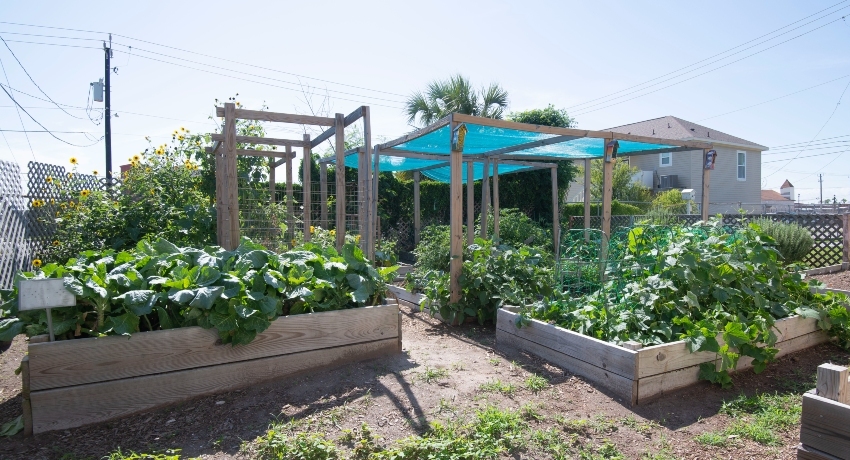
As food pantries face rising demand, UTMB is expanding a St. Vincent’s House vegetable garden through UTMB President’s Cabinet grants. The project grows fresh produce for pantry shelves while giving students hands-on training in community nutrition.