


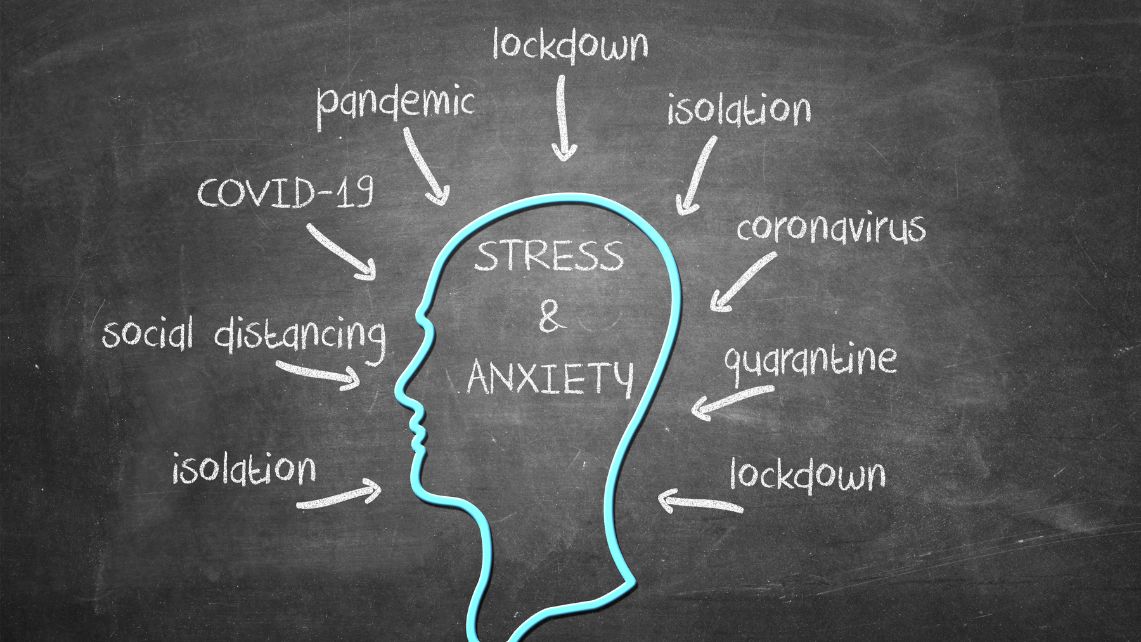
GALVESTON, Texas – A new University of Texas Medical Branch study links the COVID-19 pandemic to poor mental health in adolescents.
“While it was necessary to prevent the pre-vaccine spread of COVID-19, removing children from school was not without consequences,” said Dr. Jeff Temple, Vice Dean for research at UTMB’s School of Nursing and the director of the Center for Violence Prevention. Temple is the lead author of the study published in the Journal of Adolescent Health.
Among 1,188 ethnically diverse adolescents, pandemic-induced isolation, loneliness, stress and economic challenges were linked to poor mental health and substance misuse even after accounting for pre-pandemic health.
“Stay-at-home orders prevented or delayed youth from accomplishing developmental milestones like experimenting, making mistakes, autonomy from parents, identity formation and dating,” Temple said. “The economic hardship many families faced further exacerbated this problem.”
Early indications suggest that the pandemic has put an unprecedented mental health strain on this generation with potentially long-term negative outcomes.
“Adolescence in and of itself is difficult and stressful – and a critically important developmental time period,” Temple said. “Social media is making growing up even more stressful. Add on the pandemic and we have a perfect storm that will result in generational deficits in mental health.”
The study reveals that the pandemic resulted in individual and household changes connected to mental health and substance use. Depression and anxiety increased for adolescents who didn’t have their usual support systems available at school or in the community. In some cases, older teenagers and girls helped with childcare for younger siblings as parents worked from home, adding to stress and depression.
“These findings add to the growing knowledge that we are in a youth mental health crisis that is likely to get worse before it gets better,” Temple said. “On an individual level, we need to check in with our kids often, have open conversations about mental health, relationships and substance use. As parents, we should model good behavior through healthy relationships and seeking help when we need it.”
Also, society must make generational investments in mental healthcare, including training more mental healthcare professionals, reimbursing mental health treatment at higher rates, and implementing effective and comprehensive school- and community-based programs from kindergarten through high school, he said.
The findings indicate that regardless of their pre-pandemic consumption, youth who restricted their social interaction because of pandemic restrictions were consistently less likely to misuse alcohol, marijuana, hard drugs, prescription medications and e-cigarettes. It is possible that increased family time with parents at home reduced opportunities for adolescents to use substances.
“Since we can’t keep our kids locked up, this isn’t necessarily a ‘positive’ finding – instead, it means that drugs and alcohol are available for this age group when they’re able to interact,” Temple said. “Thus, this reinforces the need for effective substance use prevention to prepare youth to refuse or defer substance use.”
While many people might already assume that pandemic restrictions affected mental health, it’s important to research and document the scientific evidence.
“Globally, there will undoubtedly be future school closures due to weather, war, and pandemics,” Temple said. “To better design prevention and intervention programs – and to make decisions about whether we should close schools – we need to understand whether and how being away from school affects children’s development and psychosocial health.”