

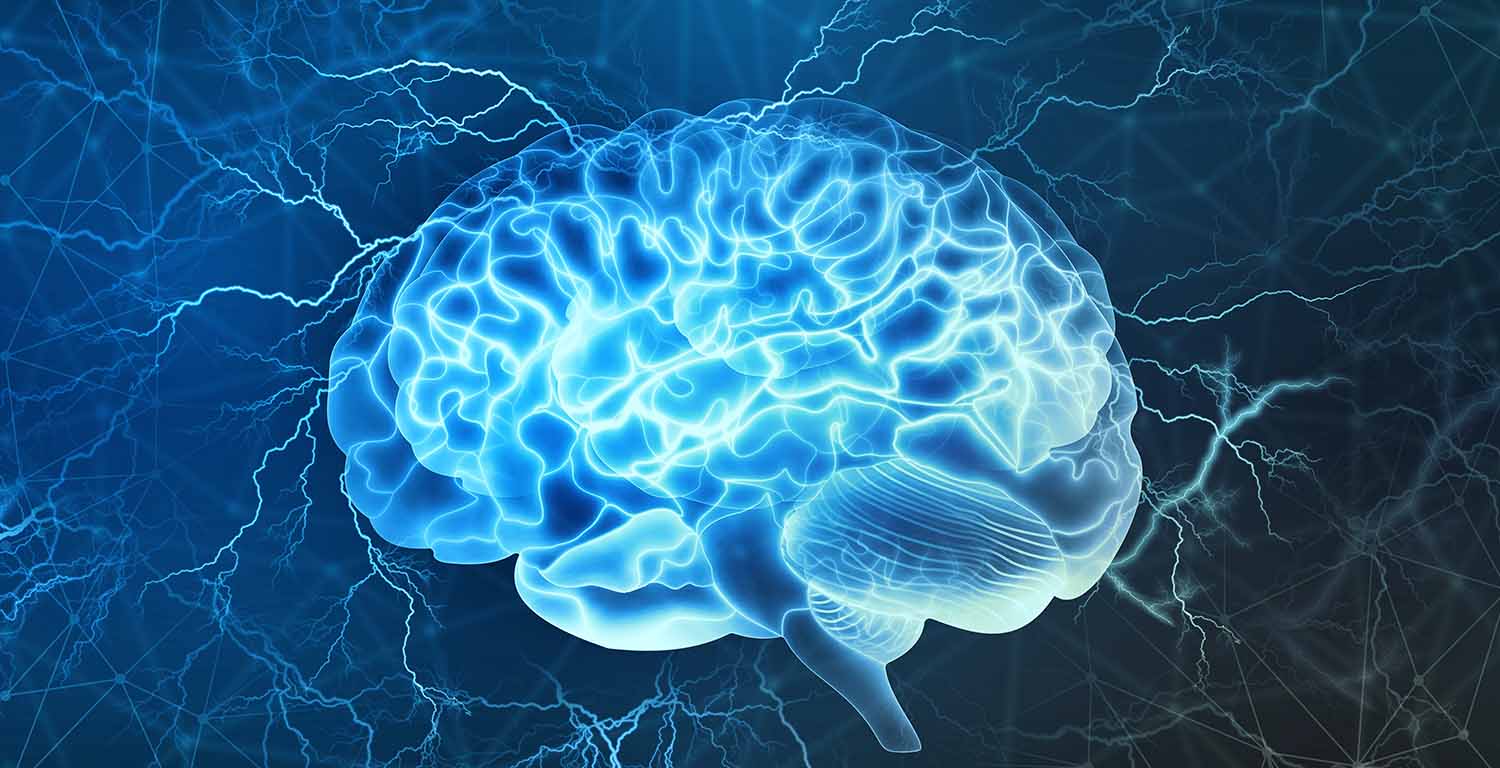
Some people who have Alzheimer’s disease pathology never get dementia because they have a protective biological mechanism working in their favor, a new study suggests.
Researchers at the University of Texas Medical Branch studied postmortem brains and found that people who presented with brain pathology consistent with fully symptomatic Alzheimer’s disease—but not dementia—also had preserved autophagy, a physiological system that allows cells to recycle or eliminate junk and clutter.
“This is significant because it means that our brain is not necessarily a victim in the battle against Alzheimer’s,” said Dr. Giulio Taglialatela, the corresponding author, a neurology professor and the director of Mitchell Center for Neurodegenerative Diseases.
Alzheimer's & Dementia: The Journal of the Alzheimer's Association published the research team’s paper May 16. The study found that non-demented Alzheimer’s brains had preserved autophagy and reduced levels of Tau, a toxic protein that accumulates.
“We describe that these individuals have higher efficiency in removing the toxic Tau proteins,” said Dr. Anna Fracassi, one of the authors and a neurology postdoctoral fellow at UTMB.
Alzheimer’s disease causes dementia, and scientists think that an accumulation of certain toxic products is why. Autophagy can clean out these toxic products at the cell level.
“Imagine a garbage service,” Taglialatela said. “Cells and neurons have to get rid of anything which cannot be recycled or reused within the cell.”
Autophagy is a normal process in human cells, but in people with dementia because of Alzheimer’s disease, autophagy doesn’t do that job as well as it once did.
“In dementia, there’s a dramatic reduction of this ability of autophagy,” Taglialatela said. “That decline that is normally observed in dementia in Alzheimer's patients does not occur in these people who are resilient.”
The cause of the vast majority of sporadic Alzheimer’s cases is not known yet, but it is not genetic and any correlation with diet or environment is moderate at best.
Even so, this new research indicates a way more people might prevent dementia. Researchers can now look at ways to induce autophagy for therapeutic treatment.
“This illustrates that there is a natural way for our brain to react appropriately to the pathology associated with dementia in Alzheimer's disease,” Taglialatela said. “There is a natural way for our brain to perfectly adapt to the challenge and win.”
Additional co-authors of the study are Dr. Batbayar Tumurbaatar, Dr. Pietro Scaduto, Dr. Daniel Jupiter and Dr. Jutatip Guptarak, all from the Department of Neurology at UTMB.